
A complete guide for UK families
Care Home or Assisted Living? How to Choose the Right Care
Clear, compassionate answers about residential care, nursing care, all-inclusive fees and private carers at home.
A calmer place to begin
Choosing care can feel overwhelming. It does not have to feel rushed.
Families are often trying to understand unfamiliar terms, compare very different services and make an important decision while managing worry, urgency or guilt.
Questions such as “What is the difference between a care home and assisted living?”, “How much will care really cost?” and “What should we look for during a visit?” are completely understandable. This guide explains the main options in England, what all-inclusive care can mean, and how to compare a care home with support at home.
The most useful starting point: focus less on age and more on safety, health, independence, social connection and whether the current care arrangement is sustainable for everyone involved.
This guide provides general information, not medical, legal or financial advice. A local-authority needs assessment, financial assessment and advice from relevant professionals may be appropriate.

Understanding the options
What is the difference between a care home and assisted living?
Assisted living usually means having your own flat or accommodation with support available or purchased separately. In the UK, you may also hear the terms extra-care housing, retirement living with support or sheltered housing.
A care home brings accommodation, meals, personal care and ongoing staff support together in one managed setting. A nursing home provides those services too, with registered nurses available for more complex health needs.
At-a-glance comparison
Which setting is designed for which level of support?
The right answer depends on the person, not the label. Providers differ, so always confirm exactly what is available.
Recognising changing needs
How do I know if a care home is right for my loved one?
There is rarely one single moment. More often, smaller concerns build until the current arrangement no longer feels safe or sustainable.
Safety is changing
- Falls or unexplained bruising
- Appliances left on
- Increasing confusion
- Anxiety when alone
Daily needs are unmet
- Missed medication
- Weight loss or dehydration
- Difficulty washing or dressing
- Poor housekeeping or unopened post
The arrangement is stretched
- Frequent emergency calls
- Repeated hospital admissions
- Isolation or low mood
- Family-carer exhaustion
A simple decision pathway
From first concerns to an informed decision
Notice
Record changes in safety, health and daily life.
Assess
Discuss needs with health and care professionals.
Compare
Match the level of care, not just the setting.
Experience
Visit together or consider a respite stay.
Ask five practical questions
- Is my loved one safe when nobody else is present?
- Are health and personal-care needs met consistently?
- Are they eating, drinking and taking medication properly?
- Are they socially connected and emotionally well?
- Is the current arrangement sustainable for the whole family?
Several “no” answers do not automatically mean someone must move into a care home. They do suggest that a professional care assessment would be sensible. The NHS guide to care homes explains when a care home may be appropriate and the main alternatives.
Make every visit count
What questions should I ask when visiting a care home?
A visit should reveal more than the building and bedroom. It should show how residents are treated, how the team works and how openly the home communicates with families.
Care and clinical support
- How will you assess my relative’s needs?
- How is the care plan created and reviewed?
- Are registered nurses available when needed?
- How do you manage medication and changing health?
- What happens if a resident becomes unwell?
- Can you support dementia and end-of-life needs?
Staffing and communication
- How are staffing levels decided for each shift?
- How often are agency staff used?
- What training and supervision do staff receive?
- How quickly are call bells normally answered?
- Who is the main contact for families?
- How will relatives hear about important changes?
Daily life, food and choice
- Can residents choose their routines?
- How are hobbies and interests supported?
- Can residents personalise their rooms?
- Are meals freshly prepared with genuine choice?
- How are allergies and specialist diets managed?
- Can relatives join meals or activities?
Fees and practical details
- What is included in the weekly fee?
- Which services or appointments cost extra?
- How and when are fees reviewed?
- Are there deposits or notice periods?
- What happens to fees during a hospital stay?
- Can I have the full fee schedule in writing?
Look beyond the décor
Red flags to watch for when choosing a care home
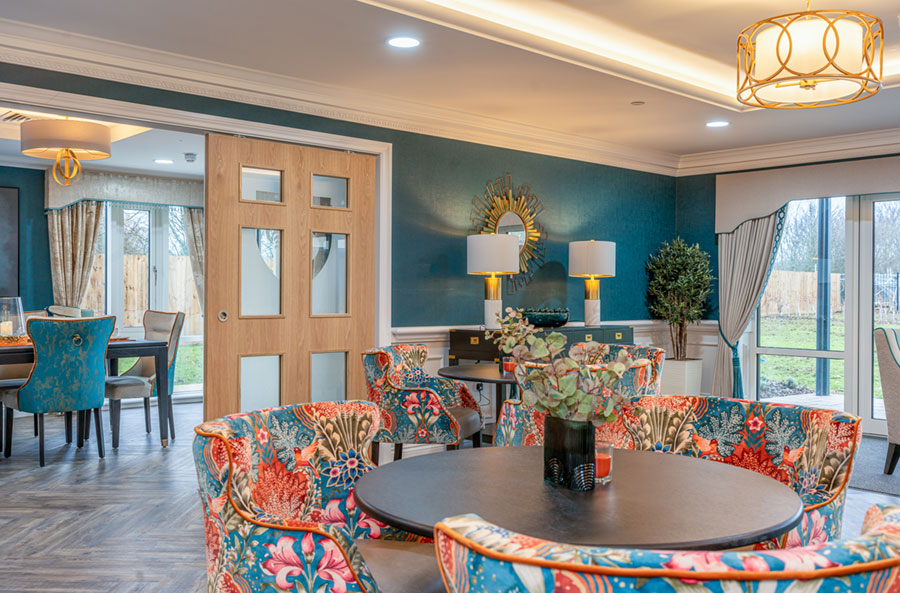
Beautiful surroundings matter, but warmth, attentiveness, dignity and safe practice tell you much more about everyday care.
Check the regulator: Esmere Gardens is regulated by the Care Quality Commission. View the current CQC profile and inspection information for Esmere Gardens.
Your visit checklist
Everything to inspect before choosing a nursing home
Notice what you see, hear and feel. Ask for examples, and visit more than once if you can.
The environment and bedroom
- Clean, secure and well maintained
- Clear corridors, good lighting and handrails
- Accessible bathrooms and safe outdoor space
- Comfortable, ventilated bedroom
- Room for mobility equipment and personal items
- An accessible nurse-call system
Care, safety and health
- Staff available day and night
- Nursing cover appropriate to residents’ needs
- Care plans reviewed as circumstances change
- Medication managed securely
- Falls and health risks monitored
- Emergency procedures clearly explained
Daily life and relationships
- Residents treated with warmth and dignity
- Meaningful activities actually taking place
- Preferred routines supported
- Cultural and personal preferences respected
- Family involved appropriately in care planning
- Residents appear known as individuals
Food and communication
- Varied menus and accessible drinks
- Support to eat and drink where needed
- Special diets understood and accommodated
- A clear contact for relatives
- Regular reviews and prompt updates
- A fair, visible complaints process
Download Age UK’s independent care-home checklist to take on visits.

Clarity and confidence
What does all-inclusive senior care actually mean?
In the UK, “all-inclusive care” generally means most essential care-home services are covered by one regular fee. There is no single universal package, so ask every provider for a written breakdown.
A package may include accommodation, personal care, nursing support, meals, refreshments, laundry, housekeeping, utilities, activities, Wi-Fi and selected appointments or services. The details matter because some homes include services that others charge separately.
Ask what is included
Request a complete written list covering care, accommodation, food, housekeeping, activities, appointments and everyday services.
Ask what may change
Understand how changing needs, nursing requirements, one-to-one support or annual reviews could affect the fee.
Compare the likely total
Do not compare one headline weekly fee with an hourly care rate. Include every recurring and occasional cost.
At Esmere Gardens: the all-inclusive approach is designed to give families clearer, more predictable information. Nursing support, meals, activities and dedicated onsite/private GP support form part of the wider care offer. Eligibility, assessment and the precise written fee package should always be confirmed with the home.
Compare like with like
How much does all-inclusive care really cost?
Costs vary with location, accommodation, health needs, the level of personal or nursing care and the services included. A lower starting price is not necessarily a lower total cost.
Assisted living or care at home may involve rent or service charges, care visits, night support, meals, utilities, cleaning, maintenance, alarms and transport. A care-home fee may combine many of these categories.
Cost-category map
What belongs in a fair monthly comparison?
Night support
Food
Household
Property
Include when staying at home
- Care-agency or employed-carer fees
- Overnight or two-person support
- Food, cleaning and laundry
- Heating, utilities and council tax
- Maintenance, gardening and adaptations
- Transport, alarm services and equipment
- Any income family members give up to provide care
Include when moving to a care home
- The weekly fee
- Any nursing or enhanced-care supplement
- Personal expenses
- Services excluded from the package
- Transport or appointment charges
- How annual increases work
- Fees during hospital absences
For independent guidance, read MoneyHelper’s guide to paying care-home fees and the government’s Care and Support Statutory Guidance. Financial rules and thresholds can change, so use current official information.
Two valid options, different strengths
All-inclusive care home or private carers at home: which is better?
Neither is automatically right for everyone. The best choice depends on how much support is needed, whether the home remains suitable, the availability of family help and how needs may change.
Private carers at home may suit someone who…
- Is safe between scheduled visits
- Has relatively predictable support needs
- Values familiar surroundings and neighbours
- Can manage nights with limited or planned support
- Has a home that can be adapted safely
Watch for long periods alone, changing carers, gaps filled by relatives and rising costs as hours or night support increase.
A care home may suit someone who…
- Needs support throughout the day and night
- Benefits from regular meals and hydration support
- Needs prompt help after a fall or change in health
- Would enjoy companionship and activities
- Needs nursing support or an accessible environment
The right home should support independence, not simply replace it, while providing reassurance as needs change.
A gentler first step
Should we try respite care first?
A short stay can provide recovery after hospital, give a family carer a break, offer professional insight into changing needs or allow someone to experience care-home life before considering a permanent move.
It can also challenge assumptions. Having support with practical tasks may allow someone to take part in more activities, feel less isolated and worry less about everyday routines.
Look at the whole picture
How to make the final decision
Try not to decide on one feature alone. A beautiful building does not guarantee excellent care; equally, practical details matter because this may become someone’s home.
- Safety and clinical support
- Staff approach and communication
- Daily life, food and activities
- Fee clarity and future needs
- Location and family connection
- How the home genuinely feels
Observe the small interactions: Do staff make eye contact? Do they know residents by name? Is conversation warm and unforced? Does the home feel calm without feeling silent or institutional? These details often reveal more than a brochure.
For someone living with dementia, the Alzheimer’s Society guide to choosing a care home offers additional specialist questions.
Why families visit Esmere Gardens
Care that can adapt, in one familiar home
Esmere Gardens is a family-led care and nursing home in Moreton-in-Marsh, supporting families from across Gloucestershire and the North Cotswolds.
- Residential care with everyday support and companionship
- 24-hour nursing care for more complex health needs
- Specialist dementia care shaped around the person
- Short-term respite care, subject to assessment and availability
- Dedicated onsite/private GP support within the wider care offer
- Clear all-inclusive fee information
- A CQC rating families can independently check

Visit the home
Esmere Gardens, Moreton-in-Marsh
Stow Road
Moreton-in-Marsh
Gloucestershire GL56 0DS
Conveniently placed for families across the Cotswolds, including Stow-on-the-Wold, Chipping Campden, Broadway, Blockley, Bourton-on-the-Hill and surrounding areas.
Frequently asked questions
Quick answers for families
Is assisted living the same as a care home?
Not usually. Assisted living generally means having your own flat or accommodation with support available or purchased separately. A care home provides accommodation, meals, personal care and staff support in one managed setting.
What is the difference between residential and nursing care?
Residential care supports daily living and personal care. A nursing home provides those services too, with registered nurses available for people with more complex clinical needs.
When should someone move into a care home?
A move may be appropriate when someone is no longer safe at home, needs frequent personal care, is missing medication, has repeated falls, needs continuous supervision or requires nursing support. A professional needs assessment can help.
What should I look for during a care-home visit?
Look at staff interactions, cleanliness, safety, food, activities, bedrooms, care planning, staffing arrangements and how clearly the provider explains fees. Notice whether residents appear comfortable, respected and known as individuals.
What are the biggest care-home red flags?
Distressed residents who do not receive help, dismissive communication, persistent unpleasant smells, consistently rushed staff, vague staffing information, unclear charges and unresolved inspection concerns should all be investigated.
Are all care-home fees genuinely all-inclusive?
No. Providers use the phrase differently. Ask for a written list showing what is included, what can cost extra, how changing needs affect the fee and how annual increases are handled.
Is a care home cheaper than 24-hour care at home?
It can be, but not always. Continuous home care may involve several carers, overnight support and household or property costs. A fair comparison includes every cost for both options and uses individual written quotations.
Can someone try a care home before deciding permanently?
Many homes offer short-term respite stays, subject to assessment and availability. This can help someone experience the environment and routines before considering a longer-term move.
No pressure. Just a helpful conversation.
Talk through the next step with Esmere Gardens
You do not need to have every answer before you call. Tell us what is happening now, and our team can help you understand whether residential, nursing, dementia or respite care may be suitable.
To download our brochure, click below to enter your details and to stay up to date with developments, news and events. During a tour of Esmere Gardens, you will be able to view all that the home has to offer at your leisure, ask any questions you may have and take a tour of this beautiful market town. Click below to arrange a show around.Request a Brochure
Book a tour