
A favourite drink. A familiar routine. Support with the small things.
Helping an older relative stay hydrated is often about everyday details: a cup they can hold, a drink they enjoy and someone noticing when their usual routine changes. It should feel supportive, rather than like another task they are failing to complete.
Why hydration matters for older people
Older adults can be more vulnerable to dehydration, particularly when they depend on someone else to bring or prepare drinks. The NHS dehydration guide explains the warning signs and when to seek help.
Build drinks into a routine that feels natural
- Ask which drinks and temperatures the person prefers.
- Offer manageable amounts regularly, rather than leaving a large jug untouched.
- Keep a suitable cup within reach and check that it is easy to use.
- Make time for a shared drink or offer one with a familiar activity.
- Ask whether pain, tiredness, worries about the toilet or difficulty swallowing are getting in the way.
These observations can help you explain a concern to the care team. They do not replace a professional assessment where health or swallowing has changed.
Does tea count, and how much fluid is enough?
The NHS guide to water, drinks and hydration explains that drinks other than water and some foods contribute to fluid intake. Individual advice takes priority over a general daily target.
If the person has a fluid restriction, swallowing plan or other clinical instructions, follow those arrangements and ask the relevant professional before making changes. Do not encourage extra fluids indiscriminately.
Know when a change needs medical advice
Ask for medical help if you notice new or persistent symptoms rather than simply labelling them dehydration. NHS guidance identifies warning signs including reduced urine, ongoing dizziness on standing and unusual tiredness. Severe signs such as difficulty breathing, confusion or being difficult to wake need emergency help. Follow the current NHS advice or call 999 in an emergency.
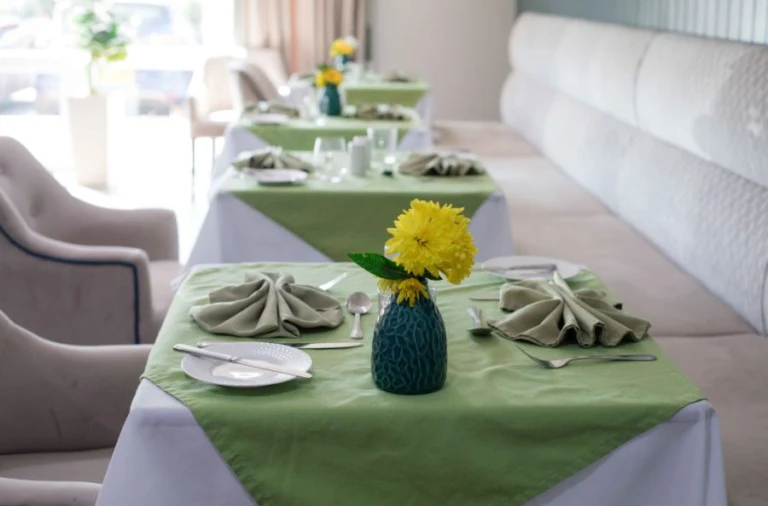
What should families ask a care home about drinks and meals?
Ask how staff learn preferences, help people access drinks, respond when intake changes and follow individual care plans. Ask when monitoring is needed and how concerns are shared. Avoid assuming that every resident needs the same chart or target.
At Esmere Gardens, personal care planning sits alongside everyday residential support and registered nursing care where appropriate. Explore daily life, meals and companionship, or read our winter wellbeing tips.
Talk about the everyday support that matters to you
If meals, drinks or daily routines are becoming difficult, ask our Moreton-in-Marsh team how care is assessed or call 01608 692222. Enquiries are welcome from Stow-on-the-Wold, Chipping Campden and nearby Cotswolds communities. Care depends on assessment, suitability and availability.
Good care starts with the everyday details
During a visit to Esmere Gardens, ask about familiar meals, favourite drinks, personal routines and how individual care is planned. Meet the people who can explain the support available.
Esmere Gardens, Stow Road, Moreton-in-Marsh GL56 0DS. Admission depends on assessment, suitability and availability.
Hydration in older people: practical questions
How can I encourage an older relative to drink regularly?
Offer preferred drinks little and often, keep them within easy reach and use familiar routines such as mealtimes or a shared cup of tea. Ask what makes drinking difficult. Follow any individual swallowing or fluid-management advice rather than setting a target without checking.
How do I recognise dehydration in an older person?
Thirst, a dry mouth, dark urine, passing urine less often, dizziness or unusual tiredness can be warning signs. These symptoms can have other causes. Use current NHS guidance and seek medical advice rather than assuming that a drink alone will resolve a new health concern.
Should every resident drink the same amount?
No. Needs, preferences and clinical advice differ. Ask the care team about the person’s agreed plan, especially if there are swallowing difficulties or a prescribed fluid restriction. Do not change a clinician’s instructions based on a general hydration article.
Do tea and coffee count towards fluid intake?
For everyday hydration, the NHS includes tea and coffee among drinks that contribute to fluid intake. Individual health advice still takes priority. If someone is unwell, has a fluid restriction or needs a swallowing plan, ask the appropriate professional what is suitable rather than relying on general advice.
What should I ask about hydration during a care home tour?
Ask how staff learn drink preferences, help people reach or use a cup, follow individual health advice and respond when drinking habits change. Discuss mealtime support and how concerns are communicated. You can ask for examples without sharing private health information publicly.
Editorial update by Michael Morton, Group Operations Manager, Taylor & Taylor Care, 5 November 2026. General family information, not a diagnosis or individual fluid prescription.
To download our brochure, click below to enter your details and to stay up to date with developments, news and events. During a tour of Esmere Gardens, you will be able to view all that the home has to offer at your leisure, ask any questions you may have and take a tour of this beautiful market town. Click below to arrange a show around.Request a Brochure
Book a tour