
Small comforts. Practical steps. A warmer winter at home.
Keeping warm in winter matters particularly for older people and anyone with a health condition. These ten tips help you plan everyday comfort, safe heating and regular contact without turning a cold day into a reason to feel anxious.
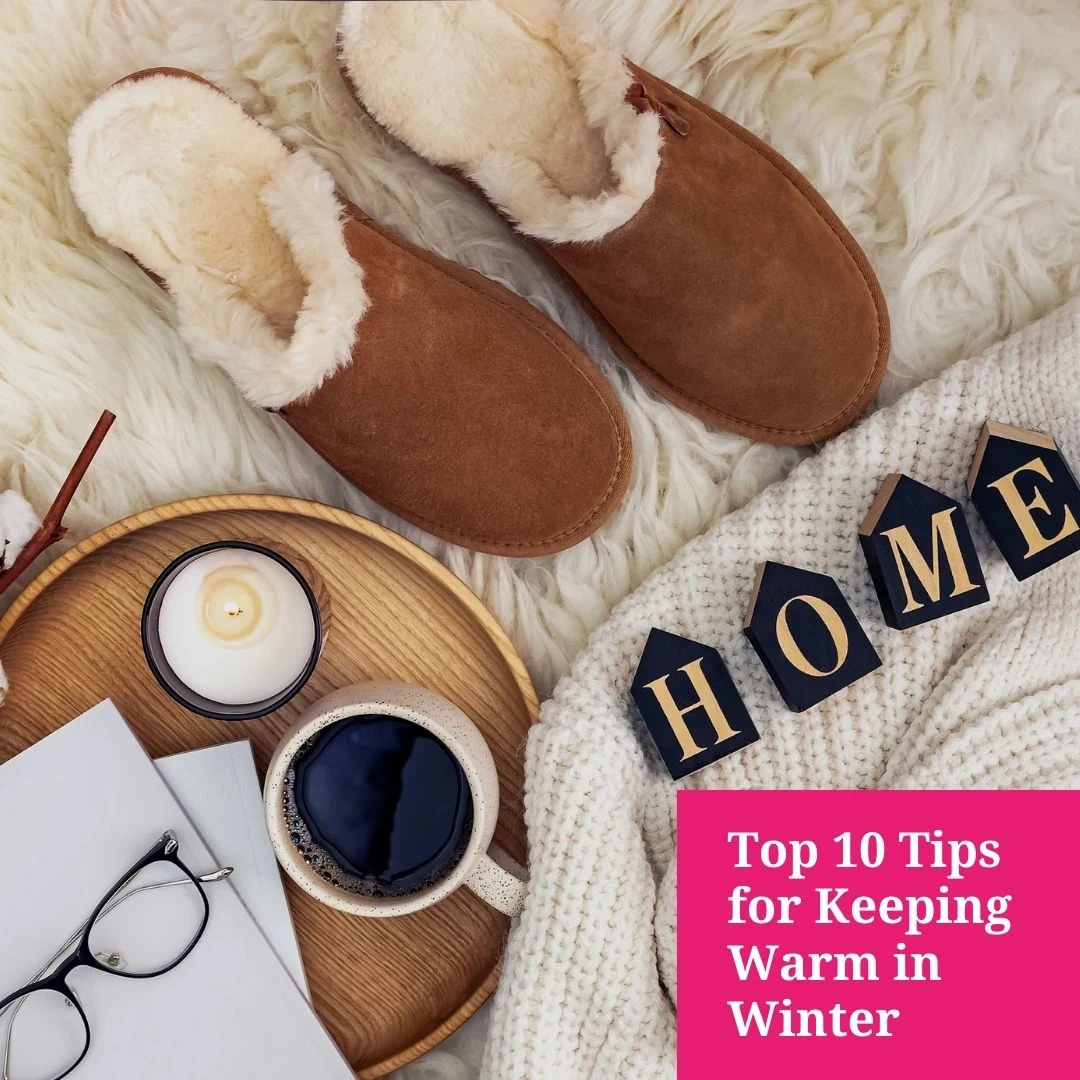
Start here: keep regularly used rooms comfortably warm, wear suitable layers and ask for help if heating, meals or daily routines are becoming difficult. Read the NHS winter health guidance alongside these practical ideas.
1. Wear comfortable layers
Choose layers you can add or remove easily. Keep everyday clothes within reach and check that sleeves, scarves or blankets do not catch when moving around.
2. Reduce draughts without blocking ventilation
Use suitable draught-proofing around doors and windows. Keep air vents clear and follow the ventilation instructions for heating appliances.
3. Check heating aids before using them
Follow the manufacturer’s instructions for electric blankets and hot water bottles. Check their condition and avoid direct heat against skin. Ask for advice if reduced sensation, memory difficulties or mobility problems make safe use uncertain.
4. Make meals and drinks easy to manage
Plan nourishing meals and drinks the person enjoys. Keep useful items accessible and ask whether shopping, cooking or eating alone has become difficult.
5. Move in a way that suits your abilities
Break up long periods of sitting with suitable movement where possible. Follow individual mobility advice and ask a health professional if you are unsure what activity is appropriate.
6. Keep the rooms you use comfortably warm
NHS guidance suggests at least 18°C in regularly used rooms where possible, especially for people with health conditions. Check how the person feels and seek help if they cannot keep warm or afford adequate heating.
7. Choose warm footwear with a secure fit
Warm socks and well-fitting slippers or shoes can help comfort. Check grip and fit, rather than relying on loose footwear that may make moving around harder.
8. Use curtains and heating sensibly
Close curtains as daylight fades, keeping them clear of heaters. Have heating equipment checked appropriately and keep smoke and carbon-monoxide alarms in working order.
9. Know when being cold needs urgent help
If someone is very cold and has slurred speech, confusion or slow breathing, suspect hypothermia and call 999. Do not use a hot bath, hot water bottle or heat lamp to warm them. Follow NHS hypothermia guidance and the emergency operator’s advice.
10. Keep in touch and make a winter plan
Agree how relatives, friends or neighbours will check in during bad weather. Plan food, medicines and help with essential journeys. Our hydration guide for older people and guide to moving closer to family address related questions.
When extra everyday support could help
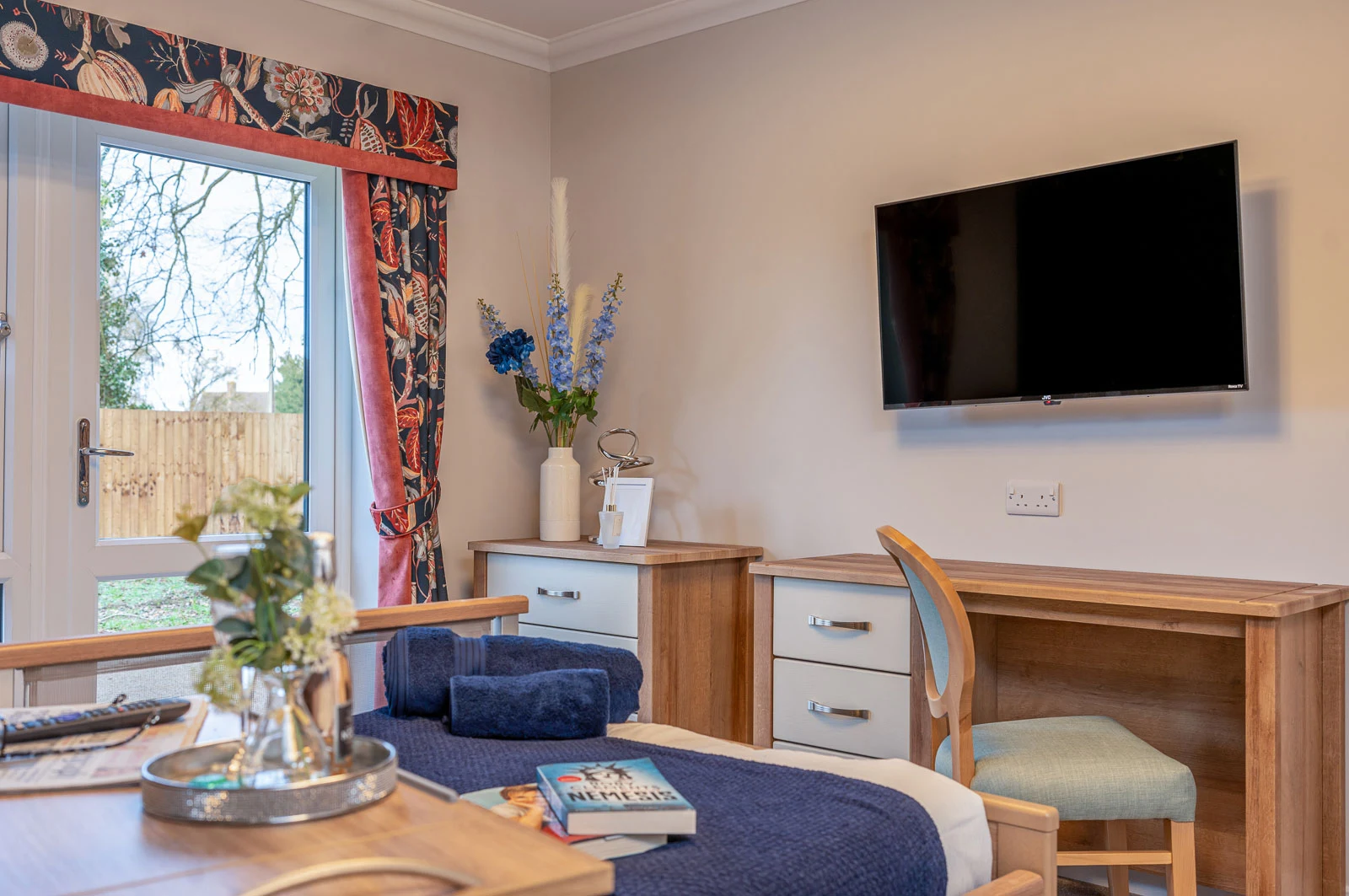
If meals, warmth, company or personal care are becoming difficult, you can explore support before deciding on a move. Residential care and short respite stays offer different ways to consider help.
Esmere Gardens is in Moreton-in-Marsh, serving families from Stow-on-the-Wold, Chipping Campden and nearby Cotswolds communities. Talk through everyday care and winter respite options or call 01608 692222. Care depends on assessment, suitability and availability.
Explore a little more support this winter
If daily routines are becoming harder, visit Esmere Gardens to discuss residential or respite care. Meet the team and ask about warmth, meals, companionship and the individual support available, without pressure to decide.
Esmere Gardens, Stow Road, Moreton-in-Marsh GL56 0DS. Admission depends on assessment, suitability and availability.
Keeping warm in winter: your questions
What temperature should an older person’s home be in winter?
NHS guidance advises a comfortable temperature, ideally at least 18°C in regularly used rooms such as the living room and bedroom. Individual needs can differ, so ask the person’s health team if you are unsure. Check comfort as well as the thermostat.
Should I use a hot bath if someone may have hypothermia?
No. Suspected hypothermia is a medical emergency. Call 999 and follow the operator’s advice. NHS guidance says not to use a hot bath, hot water bottle or heat lamp to warm someone with suspected hypothermia.
What if staying warm and managing at home are becoming difficult?
Discuss the immediate practical problem with the person and seek the relevant health, heating or local support. If everyday care is becoming difficult, a conversation about residential care or a short respite stay may help you understand options. A care-home move is a separate, assessed decision.
Can a short respite stay help during winter?
A planned respite stay may be worth exploring when someone needs assessed personal or nursing support, or a family carer needs a break. It is not a substitute for urgent medical help or immediate help with unsafe heating. Discuss care needs, fees and availability before making plans.
What should I ask a care home about winter comfort?
Ask how the team learns individual preferences, helps residents access meals and drinks, supports suitable activity and keeps family involved. During a visit, discuss the person’s usual routine and any health advice they already follow.
Updated 5 November 2026 by Michael Morton, Group Operations Manager, Taylor & Taylor Care. General family information; seek individual medical advice when needed.
To download our brochure, click below to enter your details and to stay up to date with developments, news and events. During a tour of Esmere Gardens, you will be able to view all that the home has to offer at your leisure, ask any questions you may have and take a tour of this beautiful market town. Click below to arrange a show around.Request a Brochure
Book a tour