
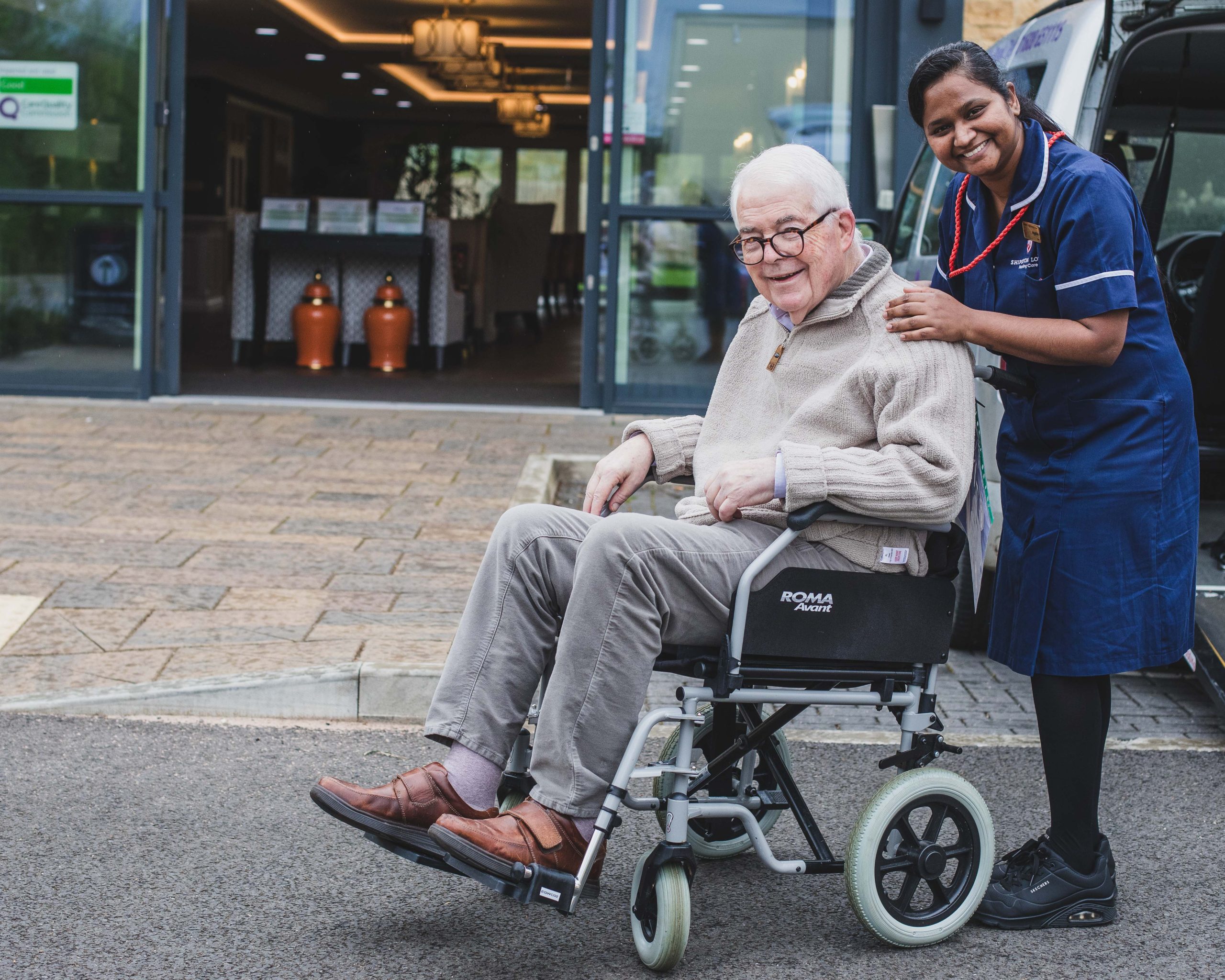
Choosing local residential care in the Cotswolds: questions families should ask about nursing, memory support and on-site medical cover
Choosing a care home is rarely just a practical decision. For many families across the Cotswolds and Gloucestershire, it comes with a mix of concern, responsibility, and love. The right questions can turn uncertainty into clarity, helping you feel confident that your relative will be safe, comfortable, and well supported.
When exploring care homes in the Cotswolds, it helps to look beyond brochures and first impressions. Understanding how nursing, memory support, and medical care work day to day will give you a much clearer picture of life inside the home,and whether it’s the right fit for your family.
Understanding the difference between residential and nursing care
One of the first questions to ask is whether the home is registered to provide nursing care. In England, a nursing home must be CQC-registered to offer 24-hour care from qualified nurses, while a residential home provides personal care without continuous nursing support.
This distinction matters more than it first appears. If your relative has medical needs,such as complex medication, mobility issues, or ongoing health conditions,having a registered nurse on site at all times can make a significant difference to their comfort and safety.
It is also worth asking whether nurses are present 24 hours a day or only during certain shifts. A home that has round-the-clock clinical expertise can respond more quickly to changes, offering reassurance not just to residents, but to families too.
What does “medical cover” really mean?
The phrase “medical cover” can sound reassuring, but it is often used loosely. When visiting care homes in the Cotswolds, ask for a clear explanation of what is actually included in the fees. Does it mean on-site nurses, a visiting GP, or simply access to advice by phone?
It is particularly important to understand how the home manages evenings, weekends, and emergencies. Ask what happens if your relative becomes unwell at night, or if urgent medical attention is needed. A well-prepared home will have clear protocols and established links with local services.
You may also want to ask how the home works with GP practices. Strong coordination ensures that medical records are accurate and that your loved one receives consistent care. Some homes go further by offering dedicated GP support, which can bring added continuity and peace of mind.
Questions to ask about dementia and memory support
If your relative is living with dementia, or showing signs of memory loss, it is essential to choose a home with specific experience in this area. General elderly care is not always enough as needs become more complex over time.
Ask whether staff receive dementia-specific training and whether there is a named dementia lead within the home. This shows a deeper level of understanding and a commitment to adapting care as symptoms change.
You should also explore how the home supports communication, memory, and daily routines. Small details,like familiar activities, clear signage, and calm environments,can make a big difference to someone’s sense of wellbeing.
How does the home respond to distress and confusion?
Many people living with dementia experience moments of confusion or express a desire to “go home.” These situations need sensitive, skilled handling. Asking how staff respond will give you insight into the home’s culture and approach.
Look for answers that focus on reassurance, gentle redirection, and emotional understanding rather than correction. The best care teams recognise that these feelings are real and respond with patience and kindness.
It can help to imagine your loved one in that situation. Would they be met with calm voices, familiar routines, and someone who takes the time to sit with them? These are the moments that define quality of care.
Medication management and clinical oversight
Medication is a key part of many residents’ care, so it is important to understand how it is managed. Ask who administers medicines, how often they are reviewed, and what happens if your relative is able to manage some aspects independently.
In homes with registered nurses, there is often more clinical oversight, which can be especially important for complex conditions. This can also affect eligibility for NHS-funded nursing care, so it is worth discussing this with the home.
You may also want to ask whether continuing healthcare funding has been considered if your relative’s needs are particularly complex. A good home will be able to guide you through this process.
Staffing, safety, and daily life
Beyond medical care, daily life is what truly shapes a resident’s experience. Ask about staff-to-resident ratios and how the home manages staffing during absences or busy periods. Consistency is key to building trust and maintaining routines.
It is also helpful to ask about everyday support,washing, dressing, meals, and activities. These are not just practical tasks; they are opportunities for dignity, companionship, and enjoyment.
Checking the latest CQC report can provide an additional layer of reassurance. Look at ratings for safety, effectiveness, responsiveness, and leadership to understand how the home performs overall.
Communication with families
Good communication can make all the difference when a loved one moves into care. Ask how the home keeps families informed about changes in health, medication, or wellbeing.
Will you receive regular updates? Are you contacted promptly after a fall or illness? Open, transparent communication helps families feel involved and reassured, even when they cannot be there in person.
It is also worth asking how the home supports decision-making if a resident is unable to make choices independently. A respectful, collaborative approach is essential in these situations.
Planning for the future, including end-of-life care
Care needs often change over time, particularly for those living with dementia or complex health conditions. Choosing a home that can adapt avoids the disruption of a future move.
Ask whether the home can support increasing needs, including nursing care or more advanced dementia support. Continuity of care can be deeply reassuring for both residents and families.
It is also important to ask about end-of-life care. While this can feel difficult to discuss, understanding how the home provides comfort, dignity, and support during this stage is an important part of making an informed choice.
Choosing a care home is not about giving something up,it is about gaining the right support at the right time. For many families, it means replacing constant worry with the quiet reassurance that someone is always there, day and night.
By asking thoughtful questions and looking closely at nursing, memory support, and medical cover, you can find a place where your loved one is not only safe, but truly cared for. In the end, it is about creating a setting where life continues with dignity, warmth, and the comfort of knowing they are in good hands.

Searching for a care home near me is rarely a casual decision.
Care Home Near Me: What Care Home Offers All‑Inclusive Care?
For many families, it happens during a time of change, uncertainty or worry, when clear and reassuring information really matters.
“What care home offers all‑inclusive care?”
What Does “All‑Inclusive” Mean in a Care Home?
- Care and support tailored to individual needs
- Accommodation and daily living included
- Meals, activities and shared spaces covered
- One clear monthly fee, without constant extras
An All‑Inclusive Care Home Near You, Designed Around Real Life
Personalised Care, Day and Night
- Residential care
- Nursing care
- Dementia care
- Respite and rehabilitation care
- Ongoing professional support, 24 hours a day
Everyday Comforts Included as Standard
- Freshly prepared, high‑quality meals
- Comfortable private rooms with en‑suite facilities
- Welcoming communal spaces, cafés, lounges and dining areas
- Landscaped gardens and quiet outdoor spaces
- Wi‑Fi and friendly, staffed reception areas
Quality of Life Matters
- Daily activities and meaningful routines
- Social opportunities and shared moments
- Events and experiences that give residents something to look forward to
Why Families Choose an All‑Inclusive Care Home
- More settled during an emotional time
- Reassured by clear and predictable costs
- Confident that nothing essential has been overlooked
- Able to focus on their loved one, rather than practical concerns
Looking for an All‑Inclusive Care Home Near You?
- “Is there a care home near me that includes everything?”
- “Which care home offers all‑inclusive care without constant extras?”
Care that lets families breathe
Confidence, quietly delivered


The Benefits of Pet Therapy in Elderly Care
The Benefits of Pet Therapy in Elderly Care
In the serene environment of nursing homes, where residents often seek companionship and stimulation, pet therapy has emerged as a powerful tool for enhancing mental and physical well-being.
Interaction with animals provides far more than momentary joy—it has profound, lasting effects on residents’ overall quality of life.
How Pet Therapy Supports Wellbeing in a Care Home
Sometimes, the smallest moments make the biggest difference.
A dog resting its head on someone’s lap.
A resident smiling as they stroke a rabbit.
A conversation beginning because someone remembers a pet they loved years ago.
A quiet moment by the window, watching birds at the feeder.
At Esmere Gardens in Moreton-in-Marsh, animal visits and pet therapy form part of our wider approach to wellbeing, companionship and meaningful daily life.
We do not see pet therapy as just a “nice activity”. When managed safely and thoughtfully, animal interaction can help create comfort, connection and moments of joy for older people, including residents living with dementia.
The aim is simple: to help residents feel calm, engaged, valued and at home.
Life at Esmere Gardens:
https://esmeregardens.care/life-at-esmere/
What is pet therapy in a care home?
Pet therapy, sometimes called animal-assisted activity or animal-assisted therapy, involves carefully planned interaction between residents and suitable animals.
In a care home, this may include visits from:
- Therapy dogs
- Calm cats
- Rabbits or guinea pigs
- Petting zoo animals
- Birds or other suitable animals
- Animal handlers and visiting therapy organisations
It can also include quieter, everyday animal-related activities, such as birdwatching, feeding garden birds, looking at animal photographs, talking about past pets, or joining dementia-friendly sensory activities linked to animals and nature.
Not every resident will want to take part, and that is important. Pet therapy should always be based on choice, comfort and consent. For some residents, holding or stroking an animal may be lovely. For others, simply watching from nearby may be enough.
Good care is not about forcing activities. It is about noticing what helps each person.
Why animals can bring comfort and connection
Animals can offer a kind of companionship that feels simple and undemanding.
For older people living in a care home, especially those who may feel lonely, anxious or unsettled, a gentle animal visit can create a moment of calm. There is no need to explain, perform or find the perfect words. A resident can simply sit, stroke, watch or smile.
Research suggests that animal interactions in care homes may support social contact, sensory engagement and meaningful connection for some residents, although benefits vary from person to person.
That matters because wellbeing in a care home is not only about clinical care. It is also about comfort, purpose, routine, memory, laughter and small moments that make the day feel brighter.
External source:
https://link.springer.com/article/10.1186/s12877-023-03834-0
Pet therapy and dementia care
For residents living with dementia, animals can sometimes offer reassurance in a way that feels natural and familiar.
A resident may not always remember the date, the room, or the reason for an activity, but they may remember the feeling of stroking a dog, watching birds, or talking about a beloved pet from earlier life.
Animal visits may help support:
- Calm and relaxation
- Sensory stimulation
- Gentle conversation
- Reminiscence
- Social connection
- A sense of routine
- Moments of comfort
- A feeling of purpose
For someone living with dementia, the world can sometimes feel confusing or overwhelming. A calm animal interaction can create a simple point of focus.
It may prompt memories:
“What was your dog called?”
“Did you have cats growing up?”
“Who used to walk the dog?”
“Did your pet sleep by the fire?”
These small conversations can help staff and families connect with the person behind the dementia.
Dementia care at Esmere Gardens:
https://esmeregardens.care/dementia-care/
Alzheimer’s Society information about pets and companionship for people affected by dementia:
https://www.alzheimers.org.uk/get-support/publications-and-factsheets/dementia-together/pets-companionship-dementia
Supporting emotional wellbeing
Moving into a care home can be a big emotional change.
Even when it is the right decision, residents may miss familiar routines, previous pets, gardens, walks or the feeling of home. Animal visits can help bring some of that familiarity back.
For many residents, animals are linked with identity and memory. They may have owned dogs, cats, birds, horses or other pets throughout their lives. They may have walked a dog every morning, fed garden birds, cared for farm animals, or shared a home with a much-loved companion.
Pet therapy can gently reconnect residents with those parts of themselves.
This can support emotional wellbeing by creating:
- Comfort
- Familiarity
- Relaxation
- Conversation
- Laughter
- Nostalgia
- A sense of being needed
- Something to look forward to
At Esmere Gardens, we believe care should support the whole person, not just their care needs.
Encouraging social interaction
Animals are natural conversation starters.
A visit from a friendly dog or a small animal can bring residents together in a relaxed way. People may begin chatting about pets they had, animals they liked, funny stories from the past, or memories of family life.
This can be especially helpful for residents who are quieter, less confident or less likely to join group activities.
Animal visits can encourage:
- Conversations between residents
- Interaction with staff
- Shared memories
- Group enjoyment
- Gentle laughter
- Family conversations during visits
- New connections between residents
In a care home, social connection matters. It helps reduce isolation and gives residents more reasons to engage with the day around them.
The best activities are not always the biggest events. Sometimes, it is one small moment that opens up a conversation.
Gentle movement and sensory engagement
Pet therapy can also encourage gentle physical movement.
For residents who are able, this may include:
- Stroking a dog
- Brushing an animal
- Reaching out to touch soft fur
- Throwing a toy gently
- Walking a short distance with support
- Sitting upright and engaging
- Turning towards the animal
- Using hands and arms in a natural way
For residents with limited mobility, the benefit may be more sensory than physical: the warmth of an animal nearby, the softness of fur, the sound of paws on the floor, or the movement of birds outside a window.
These small experiences can make the day feel more alive.
Physical health benefits should not be overstated. Pet therapy is not a replacement for professional care, physiotherapy, nursing support or medical advice. But it can be a meaningful part of a wider wellbeing and activities programme.
Nursing care at Esmere Gardens:
https://esmeregardens.care/nursing-care/
A sense of purpose
Many older people have spent their lives caring for others.
They may have raised families, worked hard, looked after homes, supported partners, cared for pets, grown gardens or helped their communities.
When someone moves into care, it is important that life does not become only about receiving support. People still need purpose.
Animal visits can help with that.
A resident may enjoy:
- Giving a dog a treat
- Helping brush a visiting animal
- Talking about how to care for pets
- Watching birds at a feeder
- Remembering animals they once owned
- Helping make animal-themed crafts
- Joining a conversation about pets and nature
These moments may seem simple, but they can help residents feel useful, involved and connected to who they have always been.
Safe, supervised animal visits
Pet therapy in a care home must be managed carefully.
At Esmere Gardens, animal visits should always be planned with safety, comfort, resident choice and animal welfare in mind.
This means considering:
- Whether residents want to take part
- Allergies
- Infection prevention and control
- Hand hygiene
- Animal temperament
- Supervision
- Safe handling
- Noise levels
- Residents who may be nervous around animals
- Residents living with dementia
- Mobility and falls risks
- The wellbeing of the animal
- Clear risk assessments where needed
Not every animal is suitable for a care home setting. Not every resident will want to interact with animals. Both must be respected.
The best animal visits are calm, well-managed and appropriate for the people taking part.
Care England and RSPCA guidance on pets and companion animals in care settings:
https://www.careengland.org.uk/resources-guidance/pets-and-companion-animals-in-care-settings/
Pet therapy as part of meaningful activities
Pet therapy works best when it sits within a wider activities and wellbeing programme.
At Esmere Gardens, residents are supported through meaningful activities, social connection, fresh meals, routines, companionship and opportunities to enjoy daily life.
Animal visits may sit alongside:
- Music
- Reminiscence
- Gardening
- Baking
- Gentle exercise
- Arts and crafts
- Seasonal activities
- Outdoor time
- Family visits
- Sensory activities
- Community events
For residents living with dementia, NICE highlights the importance of activities that are tailored to the person’s preferences and designed to promote wellbeing. Animal-assisted therapy is one possible activity within that wider approach.
NICE quality statement on activities to promote wellbeing for people living with dementia:
https://www.nice.org.uk/guidance/qs184/chapter/Quality-statement-5-Activities-to-promote-wellbeing
Seasonal activities at Esmere Gardens:
https://esmeregardens.care/the-importance-of-seasonal-activities-for-resident-well-being-at-esmere-gardens/
Birdwatching, gardens and everyday nature
Pet therapy does not always need to involve a formal visit from a therapy animal.
For some residents, nature itself can be calming and meaningful.
Watching birds at a feeder, noticing the seasons, sitting near a garden, or seeing animals outside can create quiet moments of pleasure. These experiences can be especially valuable for residents who prefer calm activities or who may feel overwhelmed in larger groups.
At Esmere Gardens, animal-related wellbeing can include simple moments such as:
- Watching birds from a window
- Talking about pets residents once owned
- Enjoying garden spaces
- Looking at animal photographs
- Taking part in nature-themed activities
- Joining seasonal events linked to animals, gardens or outdoor life
These small details help a care home feel more like a home.
Why these small moments matter
In care, small things are rarely small.
A resident smiling at a visiting dog.
A person living with dementia becoming calmer while stroking soft fur.
Two residents laughing together about a mischievous puppy.
A family member seeing Mum relaxed and engaged.
A quiet resident starting a conversation about a pet they loved.
These moments matter because they show something important: the person is still there.
They still have memories.
They still have preferences.
They still respond to warmth.
They still deserve joy.
At Esmere Gardens, pet therapy and animal visits are not about making big claims. They are about creating meaningful, human moments that support comfort, connection and wellbeing.
Pet therapy at Esmere Gardens
At Esmere Gardens, we understand that residents need more than practical care.
They need companionship.
They need routine.
They need comfort.
They need things to look forward to.
They need to feel known.
Animal visits, birdwatching and pet-related activities can all help support this.
Whether it is a resident cuddling a friendly dog, smiling at a visiting animal, talking about a pet from childhood, or quietly watching birds by the window, these moments can brighten the day and support emotional wellbeing.
They also reflect something central to good care: noticing what brings comfort to each person.
Because care is not just about what is done for someone. It is about knowing what helps them feel safe, calm and connected.
Creating a home that supports wellbeing
Esmere Gardens is a residential, nursing, dementia and respite care home in Moreton-in-Marsh, Gloucestershire.
Our approach is built around comfort, safety, dignity and reassurance. Residents are supported through daily care, meaningful activities, nursing support, dementia care where needed, and dedicated on-site private GP support as part of our all-inclusive approach.
Pet therapy is one part of that wider picture.
It helps create a home where residents are not simply looked after, but known.
Esmere Gardens homepage:
https://esmeregardens.care/
Residential care at Esmere Gardens:
https://esmeregardens.care/residential-care/
Nursing care at Esmere Gardens:
https://esmeregardens.care/nursing-care/
Dementia care at Esmere Gardens:
https://esmeregardens.care/dementia-care/
Respite care at Esmere Gardens:
https://esmeregardens.care/respite-care/
Life at Esmere Gardens:
https://esmeregardens.care/life-at-esmere/
FAQs
What is pet therapy in a care home?
Pet therapy in a care home involves safe, supervised interaction with suitable animals. This may include visits from therapy dogs, small animals, petting zoos or animal-related activities such as birdwatching, reminiscence and sensory activities.
Is pet therapy suitable for people living with dementia?
Pet therapy can be suitable for some people living with dementia, especially when the activity is calm, familiar and based on the person’s preferences. It may support comfort, reminiscence, conversation and emotional wellbeing. It should always be supervised and adapted to the individual.
What are the benefits of animal visits in care homes?
Animal visits may support companionship, social interaction, sensory engagement, relaxation, reminiscence and moments of joy. Benefits vary from person to person, so activities should be personalised.
Are animal visits safe in care homes?
Animal visits can be safe when they are properly planned and supervised. Care homes should consider resident choice, allergies, infection prevention, hand hygiene, animal temperament, risk assessments and animal welfare.
Do all residents have to take part in pet therapy?
No. Residents should always have a choice. Some may enjoy holding or stroking an animal, while others may prefer to watch from a distance or not take part at all.
Can pet therapy reduce loneliness?
Pet therapy may help some residents feel more connected by encouraging conversation, companionship and shared moments with others. It should be part of a wider wellbeing and activities programme.
Can animal visits help with anxiety?
Some residents may feel calmer during gentle animal interactions. However, every person is different, and animal visits should be offered in a calm, suitable and respectful way.
What animals are suitable for care home visits?
Suitable animals are usually calm, well-socialised and comfortable around older people. Therapy dogs are common, but some homes may also welcome suitable small animals or supervised petting zoo visits.
Does Esmere Gardens offer animal-related activities?
Animal visits and animal-related activities form part of the wider wellbeing and activities approach at Esmere Gardens, where suitable and appropriate for residents.
Why does pet therapy matter in elderly care?
Pet therapy matters because it can create comfort, conversation, memories and moments of joy. In a care home, these small human moments help residents feel connected, valued and at home.
