
On-site GP model promises safer short stays and faster medical response for local providers
Residential care in Moreton-in-Marsh, in the Cotswolds, is increasingly shaped by one central expectation: people should be able to receive support in a place that feels calm, dignified, and genuinely safe. For older adults, people recovering from illness, and families looking for short-term help, the right setting can make a major difference to confidence, wellbeing, and continuity of care. In England, current NHS guidance confirms that respite care can range from a few hours of support to a short stay in a care home, while recent CQC guidance continues to emphasise that safe environments must be designed to meet people’s needs and reduce physical and psychological harm.
In a town like Moreton-in-Marsh, where local identity, accessibility, and community familiarity matter, residential care is not only about practical support. It is also about trust: trust in staff training, trust in the safety of the building, and trust that daily routines will be adapted to each person. The wider care system in England has also been placing more focus on safer transitions between services and stronger coordination with families and unpaid carers, which is especially relevant when someone is moving into respite care or returning home after a stay.
Why Residential Care Matters In Moreton-In-Marsh
Residential care can be an important option for people who need regular assistance with personal care, medication routines, mobility, nutrition, or supervision. In Moreton-in-Marsh and the wider Cotswolds, that support is often valued not just for the care itself, but for the reassurance of being in a stable environment with consistent staff presence. That continuity can be particularly helpful for people living with frailty, dementia, or recovery needs.
The local context also matters. Moreton-in-Marsh serves residents from the surrounding rural area, so accessibility, transport links, and nearby services can influence how families choose care. When care homes are well connected to local health and social care pathways, it becomes easier to plan appointments, manage changes in needs, and keep relatives involved in decisions. Current NHS guidance on neighbourhood health and system coordination reflects this broader shift toward more joined-up support close to home.
For families, residential care can also reduce the pressure that comes from trying to provide complex care alone. A safe and well-run home can support daily living without making the person feel institutionalised. In practice, this means balancing independence with reliable assistance, so residents can maintain choice, routine, and dignity while knowing help is always nearby.
What Respite Care Offers Families And Carers
Respite care is designed to give carers a break while ensuring the person they support continues to receive attentive care. NHS guidance explains that respite can be short or longer term, including sitting services, day support, home-based care, or a temporary stay in a care home. This flexibility makes it useful after hospital discharge, during a family emergency, or simply when a carer needs rest and recovery.
For many families in Moreton-in-Marsh, respite care is valuable because it can be planned in advance or arranged in an urgent situation. That matters in rural settings, where informal care networks are often stretched and travel can add complexity. A responsive respite option can help prevent exhaustion, reduce crisis admissions, and support a smoother return to the person’s usual routine.
Respite care is also an opportunity to assess whether a longer-term residential placement might be appropriate. A short stay can reveal how someone responds to staff interaction, meal support, mobility assistance, and overnight supervision. Used well, it helps families make better-informed decisions, and it gives the care team a chance to understand preferences, risks, and daily habits before a longer admission is considered.
How Safety In Care Is Assessed And Maintained
Safety in care is not just about avoiding accidents; it is about creating systems that anticipate risk and respond quickly when something changes. CQC guidance states that providers should detect and control risks in the care environment and ensure equipment, facilities, and technology support safe care. That includes maintenance, secure storage of equipment, and attention to both physical and psychological safety.
In residential care, this often means clear moving-and-handling practices, accessible call systems, safe medication administration, and routines for monitoring residents who may be vulnerable to falls or confusion. HSE guidance also stresses sensible risk assessment in care settings, recognising that people have the right to support that is safe while still respecting freedom and dignity. Good safety practice therefore avoids over-restriction and focuses instead on proportionate controls.
Recent guidance has also highlighted the importance of safe transitions between services. If a resident comes from hospital, home care, or another provider, the receiving service should understand the plan, the practical arrangements, and any delegated healthcare duties. That joined-up approach is especially important for respite stays, where a person may arrive with a short notice and a complex mix of needs.
Designing A Safe Environment For Residents
A safe environment begins with the layout of the building itself. Wide corridors, clear signage, good lighting, non-slip flooring, accessible bathrooms, and uncluttered communal areas all help reduce risk. CQC’s safe-environment expectations emphasise that care settings should be designed around the needs of the people using them, with premises and equipment consistently maintained.
Safety also includes environmental details that are easy to overlook. Temperature control, noise levels, secure entry systems, and the safe management of laundry and cleaning products all affect whether residents feel comfortable and protected. Local authority and HSE guidance for residential care homes similarly points to the importance of hygiene, electrical safety, and routine testing of systems and equipment.
In more person-centred care homes, the environment is shaped to feel homely rather than clinical. That can include familiar furniture, private spaces for family visits, and quiet areas for rest or reflection. A genuinely safe environment therefore supports both wellbeing and safety: it reduces hazards without removing the warmth, choice, and comfort that residents need to settle in.
Staff Training, Supervision, And Confidence
Even the best-designed building cannot deliver safe care without skilled staff. Training is essential in recognising falls risk, responding to changes in behaviour, handling medication safely, and supporting people with cognitive impairment or communication needs. Care environments work best when staff know not only what to do, but why each safety step matters.
Supervision and team consistency are equally important. Residents often feel safer when the same carers understand their routines, preferences, and triggers for distress. This is especially true in respite care, where staff may need to learn a person’s needs quickly and provide reassurance from the moment they arrive.
Effective staffing is also about communication. Handover notes, care plans, and incident reviews should be clear and up to date, especially when a person’s condition changes. The broader direction of NHS and social care policy in 2025/26 has continued to stress better information sharing and continuity across services, which supports safer care at every stage of the journey.
Supporting Independence Without Compromising Safety
One of the most important principles in residential care is finding the right balance between independence and protection. People should be encouraged to make choices, remain active, and keep routines that matter to them, while staff manage risks in a proportionate way. HSE and CQC guidance both support this approach, warning against risk elimination that can unnecessarily limit quality of life.
In practical terms, that may mean helping someone walk safely rather than discouraging movement, supporting them to wash independently with assistance nearby, or adapting meals and seating rather than taking over completely. The safest care is often the care that respects the person’s abilities first and adds support only where it is needed.
This approach can be especially meaningful in respite care, where the goal is not to interrupt a person’s life but to support it temporarily. A well-run service should help the resident stay connected to personal habits, family contact, and preferred activities, so the stay feels reassuring rather than disorientating.
Choosing The Right Care Option For A Loved One
Choosing residential care or respite care starts with understanding the person’s needs today, not only their needs in the future. Families should look at mobility support, medication management, supervision levels, meals, mental health support, and whether the environment feels calm and accessible. In England, local councils can help assess needs and determine whether some respite support may be funded, provided the relevant assessment has taken place.
It is also sensible to ask how the service handles safeguarding, infection prevention, emergency response, and communication with families. A strong provider should be able to explain how they manage risks, update care plans, and coordinate with health professionals if a resident becomes unwell. CQC and HSE guidance make clear that these systems are integral to safe care, not optional extras.
For people in Moreton-in-Marsh and the surrounding Cotswolds, the best choice will usually combine professional care with a setting that feels local, welcoming, and dependable. The right match is one where the resident is safe, the family feels informed, and the care team can genuinely adapt support to the person rather than expecting the person to fit the service.
Residential care in Moreton-in-Marsh can offer much more than accommodation and supervision. When it is built around respite care, safety in care, and a truly safe environment, it becomes a practical source of relief for families and a reassuring home for residents. The most effective services are those that combine good design, skilled staff, and flexible support with a clear commitment to dignity and independence.
As care expectations continue to evolve in 2026, families are likely to value providers that can demonstrate strong risk management, thoughtful transitions, and person-centred support. In a place like Moreton-in-Marsh, that means care which feels both local and reliable, and which helps people live safely without losing the comfort of familiar routines and human connection.


Onsite GP Nursing Home Care: Why It Makes a Real Difference to Health and Safety
Onsite GP Nursing Home Care: Why It Makes a Real Difference to Health and Safety
However, one of the most important questions is often overlooked:
It is about speed, continuity, and calm decision‑making when it matters most.
What Does Onsite GP Nursing Home Care Mean?
Why Faster Medical Access Improves Safety
A change in mood.
Confusion that feels new.
Pain that is hard to explain.
- Faster clinical decisions
- Reduced risk of complications
- Fewer unnecessary hospital admissions
- Better pain and symptom management
- Clearer treatment plans
Reducing Hospital Visits Through Better Oversight
- Earlier medical review
- Better monitoring of long‑term conditions
- Timely adjustments to treatment
- Joined‑up communication between nurses and clinicians
Continuity of Care Matters More Than Speed Alone
However, continuity matters just as much.
https://www.esmeregardens.care/services/
Supporting People Living With Complex Needs
- Long‑term illness
- Mobility needs
- Frailty
- Dementia
- Ongoing medication management
- Medication is reviewed appropriately
- Changes in behaviour are explored, not dismissed
- Physical and emotional health are considered together
- Care plans stay relevant as needs change
Improving Communication for Families
“Is this normal?”
“Do we need to worry?”
- More confident updates
- Clear explanations
- Reassurance that changes are being monitored
- Fewer unanswered questions
https://www.esmeregardens.care/life-at-esmere/
Why Onsite GP Support Reflects a Safety‑First Culture
- Health is monitored continuously, not occasionally
- Decisions are informed, not rushed
- Prevention matters as much as response
- Residents’ wellbeing comes before convenience
https://www.esmeregardens.care/about-us/
What Families Often Notice After Moving In
- Fewer health crises
- More stable routines
- Better comfort and symptom control
- Reduced anxiety
- Improved communication
Questions Families Can Ask Any Nursing Home
- How are medical concerns reviewed?
- Who supports clinical decision‑making?
- How quickly are changes assessed?
- How do nurses and doctors communicate?
- How are families kept informed?
Final Thoughts

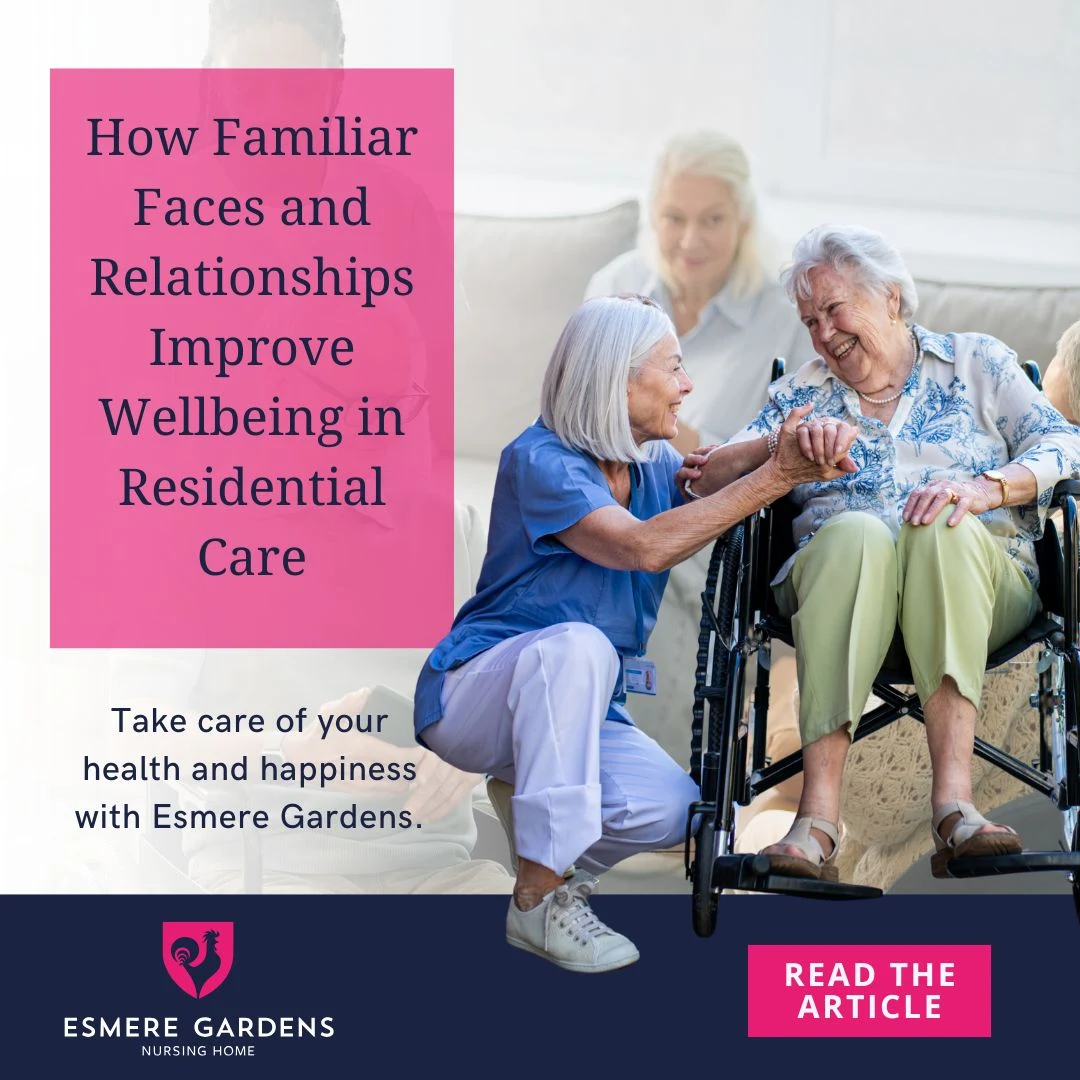
How Familiar Faces and Relationships Improve Wellbeing in Residential Care
How Familiar Faces and Relationships Improve Wellbeing in Residential Care
Moving into a residential care home is a meaningful transition, both for residents and their families. One of the most important factors in supporting wellbeing during this time is familiarity. Consistent faces and trusted relationships help residents feel safe, settled, and emotionally secure.
At Esmere Gardens residential care home in Moreton‑in‑Marsh, relationship‑based care is part of everyday life. Residents are supported by a consistent care team who take time to understand personal history, routines, preferences, and what brings comfort. This continuity allows care to feel familiar rather than clinical.
Seeing the same carers and nurses each day builds trust and reduces anxiety. Residents know who is supporting them and what to expect, which helps confidence grow naturally. Everyday conversations, shared routines, and familiar faces become reassuring foundations, particularly during periods of change.
Consistency also supports better care outcomes. When staff know residents well, they can recognise subtle changes in mood, behaviour, or wellbeing early. This allows care to be adapted promptly and sensitively, supporting both physical health and emotional stability.
For families, familiar faces matter too. Knowing who is caring for a loved one builds reassurance and confidence. Communication feels more personal, questions are answered by people who genuinely know the resident, and families feel informed and involved throughout their loved one’s care.
Relationships extend beyond care staff to the wider care home community. Shared meals, activities, and everyday interactions encourage companionship and social connection among residents. These connections help create a sense of home — not just a place where care is delivered.
At Esmere Gardens in the Cotswolds, continuity is carefully planned. Our approach to staffing supports consistency, ensuring residents are cared for by people who know and understand them. This commitment helps residents settle more comfortably and enjoy a stronger sense of wellbeing.
Ultimately, high‑quality residential care is about people. Familiar faces and meaningful relationships transform a care home into a place of comfort, trust, and belonging — supporting older people to live with dignity, confidence, and peace of mind.

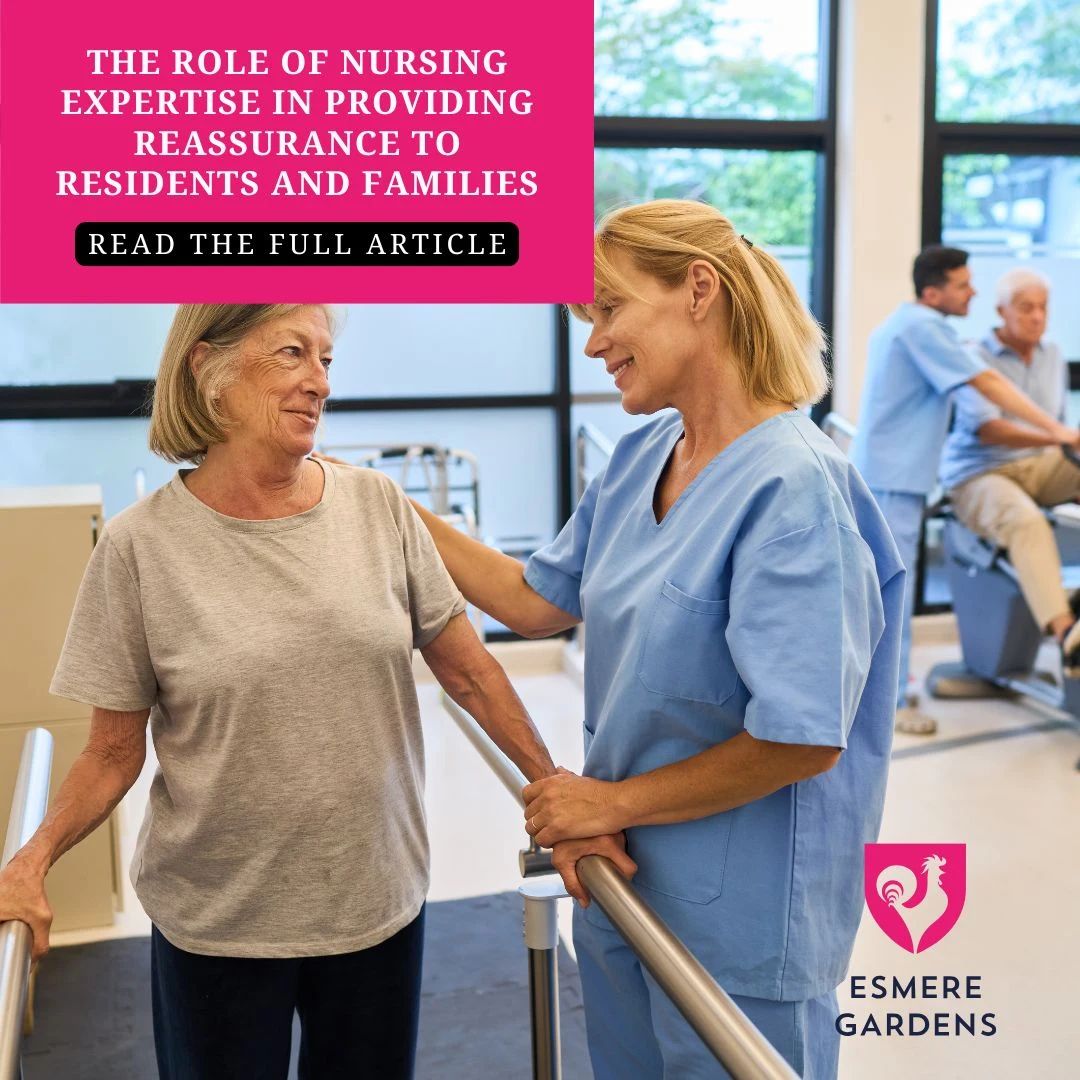
The Role of Nursing Expertise in Providing Reassurance to Residents and Families
If you are searching for a nursing care home in Moreton-in-Marsh, you will find a welcoming and supportive environment here.
The Role of Nursing Expertise in Providing Reassurance to Residents and Families
When choosing a nursing care home in Moreton‑in‑Marsh, families are often looking for far more than comfortable surroundings. They are seeking reassurance, stability, and the confidence that their loved one will be supported with dignity every single day. At this important stage, peace of mind matters as much as the care itself.
A high‑quality nursing care home in Moreton‑in‑Marsh provides that peace of mind through skilled, attentive professionals who are present around the clock. Knowing that experienced nurses are available day and night brings quiet reassurance to families, particularly when health needs become more complex or change unexpectedly. Consistent access to professional nursing care means concerns are addressed promptly, calmly, and with confidence.
Residents also benefit greatly from the specialised support found within a trusted nursing home in the Cotswolds. From careful medication management to compassionate support with daily living, nursing care goes beyond clinical treatment alone. It is about understanding the person behind the needs — their routines, preferences, and what makes them feel safe and valued.
Importantly, the best nursing homes in Gloucestershire recognise that emotional wellbeing is inseparable from physical health. Familiar faces, gentle reassurance, and a warm, respectful environment help residents feel settled and secure. This sense of continuity can make a profound difference to overall wellbeing, particularly for older people who may feel vulnerable during times of change.
For families, professional nursing support offers comfort in knowing that expert care is always there — quietly, consistently, and delivered with genuine compassion. There is reassurance in knowing that help is immediate, decisions are informed, and loved ones are never left without support.
Ultimately, choosing the right nursing care home in Moreton‑in‑Marsh can make a lasting difference. With skilled nursing, a caring environment, and a focus on both physical and emotional needs, residents can live each day with greater comfort, dignity, and peace of mind — and families can feel confident they have made the right choice.

When Care Needs Change Suddenly: How Urgent and Short-Notice Admissions Can Help
When Care Needs Change Suddenly: How Urgent and Short-Notice Admissions Can Help
Life rarely gives families time to prepare when care needs change suddenly. A fall, a hospital admission, a rapid decline in health, or a carer reaching breaking point can leave loved ones needing immediate support. In these moments, knowing that urgent and short-notice care options exist can make all the difference.
At Esmere Gardens, urgent admissions are designed to reduce stress and provide reassurance when families need it most. Rather than navigating uncertainty alone, families can access prompt, professional care in a safe and supportive environment.
Urgent care admissions are often required following hospital discharge, when someone is medically fit to leave but not yet ready to return home.
Without appropriate support in place, this transition can feel overwhelming. Short-notice admissions ensure continuity of care, allowing recovery to continue in a setting where nursing, personal care, and daily support are immediately available.
These placements are not only about physical health. Sudden changes can trigger anxiety, confusion, and emotional distress, particularly for older adults. A calm, welcoming environment and experienced care team can help ease this transition, offering reassurance from the very first day.
Short-notice care can also provide vital support during family crises. When a primary carer becomes unwell, exhausted, or unable to continue, urgent admissions offer breathing space and peace of mind. Knowing a loved one is safe allows families time to rest, recover, and consider longer-term options without pressure.
At Esmere Gardens, urgent admissions are handled with sensitivity and efficiency. The team works closely with families and healthcare professionals to understand individual needs, routines, and preferences. Care plans are quickly tailored, ensuring residents receive personalised support without delay.
Importantly, short-notice admissions do not mean short-term thinking. Whether care is needed for a few weeks or becomes longer-term, the focus remains on dignity, comfort, and well-being. Families are kept informed and involved, with clear communication throughout the process.
When care needs change suddenly, families deserve clarity, compassion, and expert support. Urgent and short-notice admissions provide a practical solution during challenging times, ensuring loved ones receive the care they need while families regain stability and reassurance.
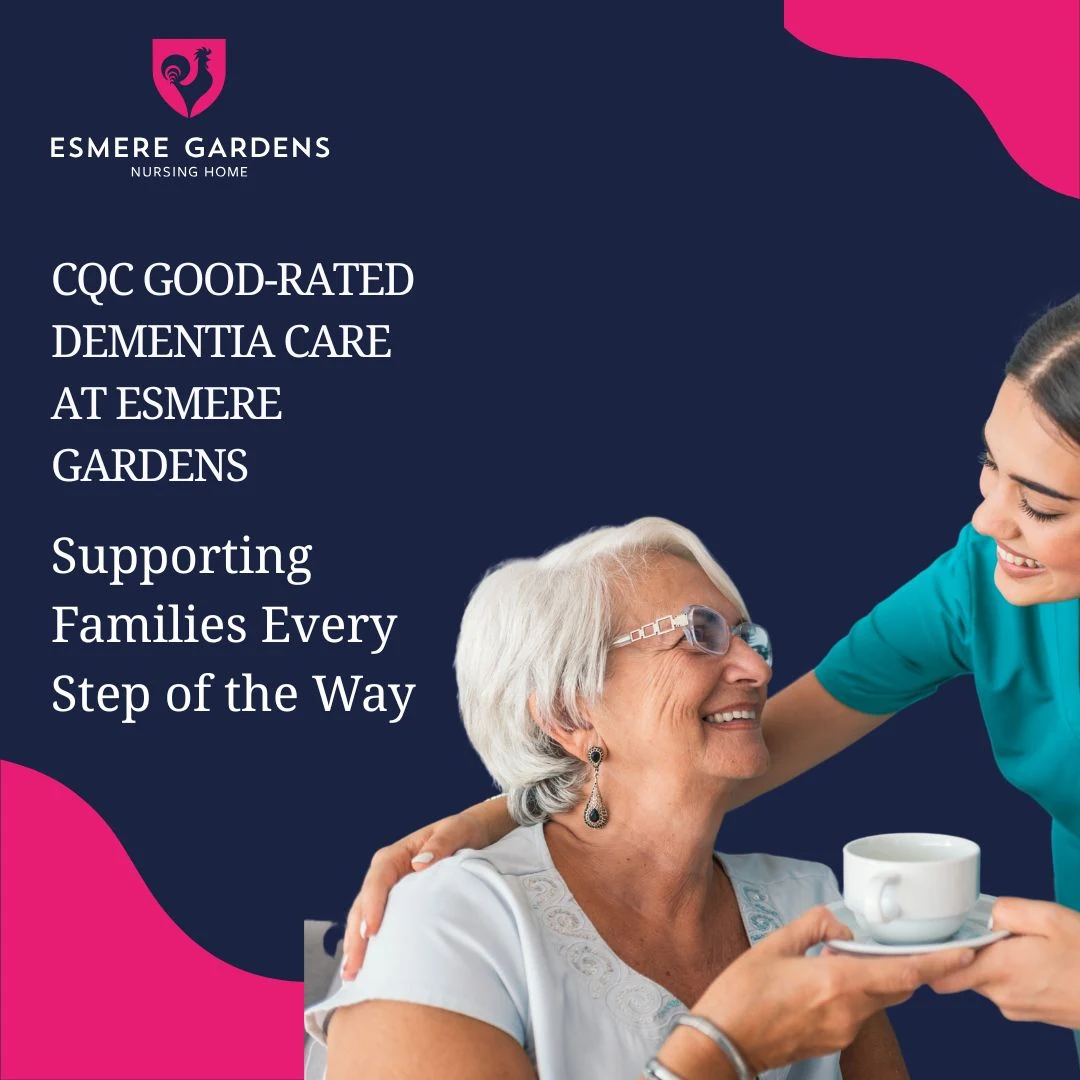
CQC Good-Rated Dementia Care at Esmere Gardens Nursing Home, The Cotswolds
Dementia support at Esmere Gardens is for people with low to moderate care needs, subject to assessment, suitability and availability. We cannot accommodate high-level or complex dementia care needs. Our home is on Stow Road in Moreton-in-Marsh, Gloucestershire.
CQC Good-Rated Dementia Care at Esmere Gardens Nursing Home, The Cotswolds
Choosing dementia care can feel difficult. Ask each home about the needs it can safely support, how it protects dignity and everyday choice, and what happens if needs change. At Esmere Gardens, individual assessment establishes whether our support for low to moderate dementia care needs is suitable.
Person-centred dementia support
Esmere Gardens is proud to provide Specialist Dementia Care that focuses on dignity, understanding, and emotional wellbeing. Dementia affects every individual differently, which is why care at Esmere Gardens is never generic. Each resident receives a tailored care plan designed around their personal history, preferences, routines, and evolving needs.
A dementia diagnosis alone does not establish suitability. We consider personal care, communication, health, mobility, routines, risks and wellbeing before agreeing an admission. Continued care depends on our ability to meet assessed needs safely.
Esmere Gardens is rated Good overall and across all five assessed areas by the Care Quality Commission. Read the official CQC assessment, published on 21 January 2026, and discuss its findings with our team.
Skilled Teams, Compassionate Support
Specialist dementia care requires more than clinical knowledge. It demands patience, empathy, and an ability to see the person beyond the diagnosis. At Esmere Gardens, the nursing and care teams are trained in dementia-specific support, including managing confusion, anxiety, behavioural changes, and mobility challenges.
Registered nurses are on site 24 hours a day, alongside our care colleagues. Care is planned around each person’s assessed needs. Gentle routines, meaningful activities, and sensory engagement are carefully woven into daily life to promote confidence and reduce distress.
Families often comment on the warmth of the team and the peace of mind that comes from knowing their loved one is truly understood and cared for.
A Homely Setting in The Cotswolds
Located in the beautiful surroundings of the Cotswolds, Esmere Gardens offers a tranquil and welcoming environment that supports wellbeing. The home has been thoughtfully designed to feel homely rather than clinical, with comfortable communal areas, safe outdoor spaces, and clear layouts to help residents navigate with ease.
For families searching for Nearby Dementia Care, Esmere Gardens offers the reassurance of local access combined with high-quality nursing and specialist support. Being close by makes visiting easier and helps residents maintain strong connections with those they love.
Supporting Families Every Step of the Way
Dementia care affects the whole family, not just the individual receiving support. Esmere Gardens recognises the emotional challenges families face and works in partnership with them throughout the care journey.
From initial enquiries to ongoing reviews, families are kept informed, involved, and supported. Whether you are seeking Specialist Dementia Care following a diagnosis or exploring Nearby Dementia Care as needs increase, the team takes time to listen, explain options clearly, and offer reassurance.
A Trusted Choice for Dementia Care
Use independent inspection findings, current family reviews and a visit together when comparing homes. Ask about assessment, staffing, familiar routines, fees and what happens if the home can no longer meet the person’s needs.
For families looking for Specialist Dementia Care in a peaceful Cotswolds setting, or reliable Nearby Dementia Care they can trust, Esmere Gardens offers a supportive home where residents can live well, safely, and with comfort.
Read about dementia support and suitability, or speak to our team about an assessment.
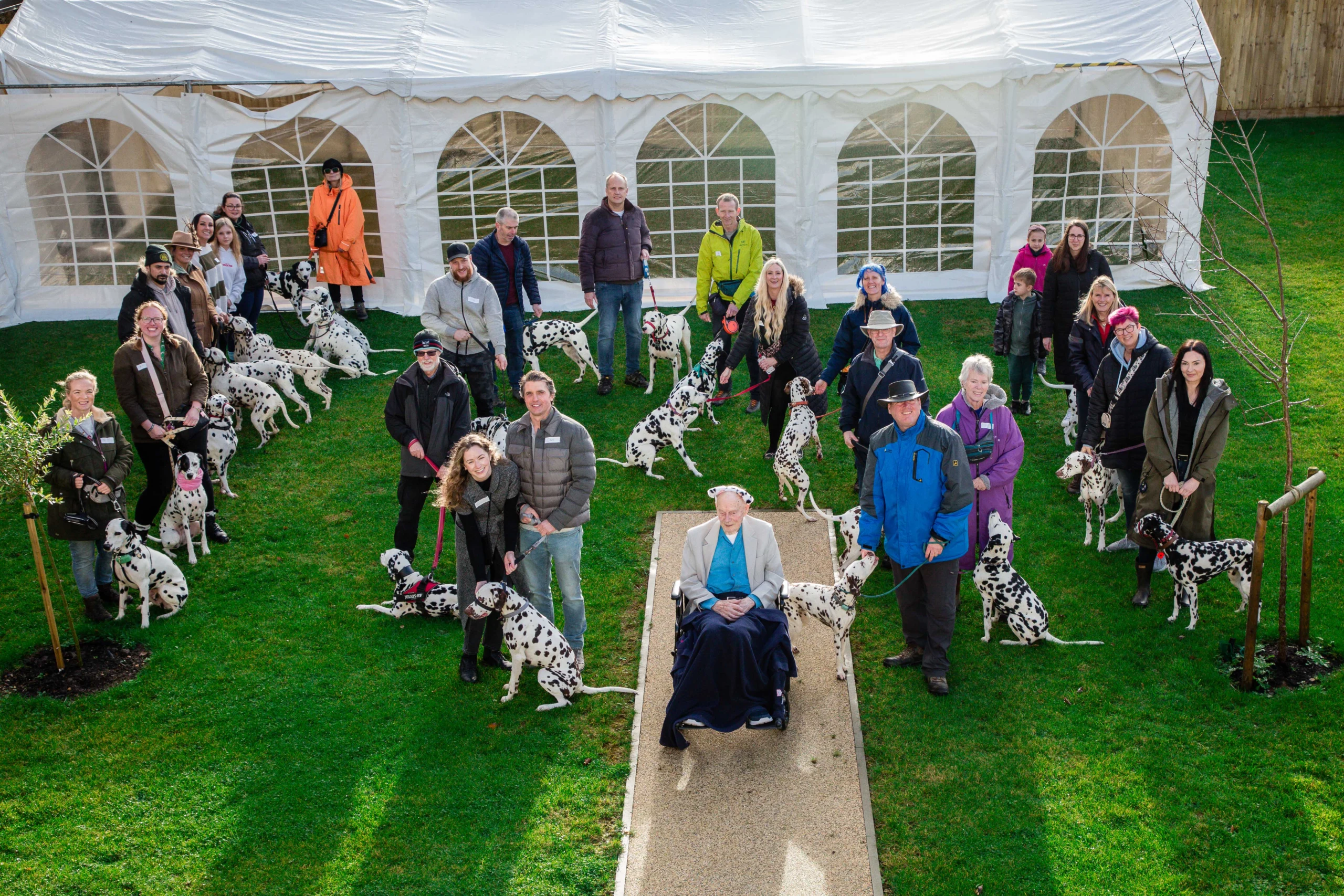
101 Years, lots of Dalmatians and a Birthday to Remember at Esmere Gardens
101 Years, alot of Dalmatians and a Birthday to Remember at Esmere Gardens!
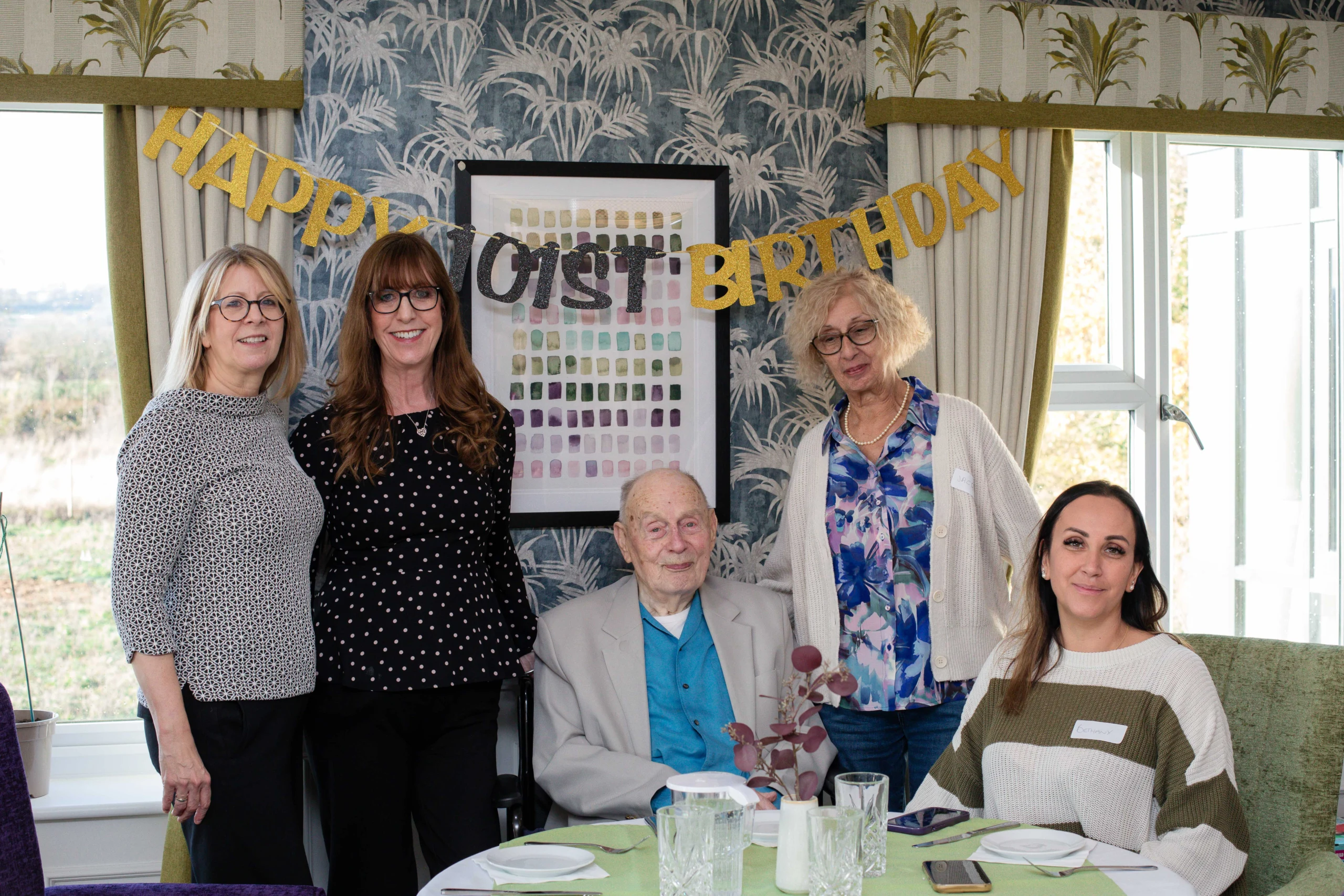
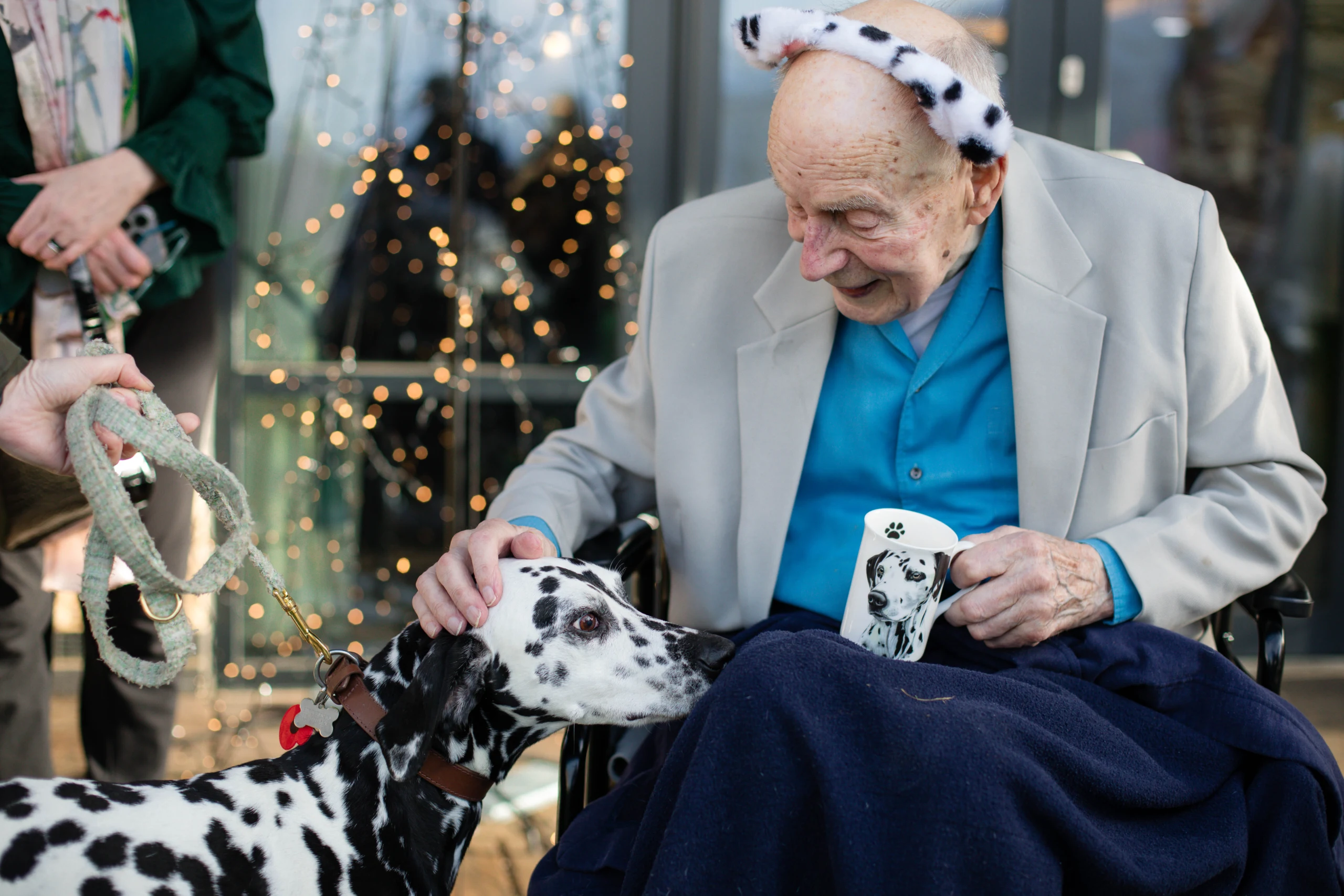
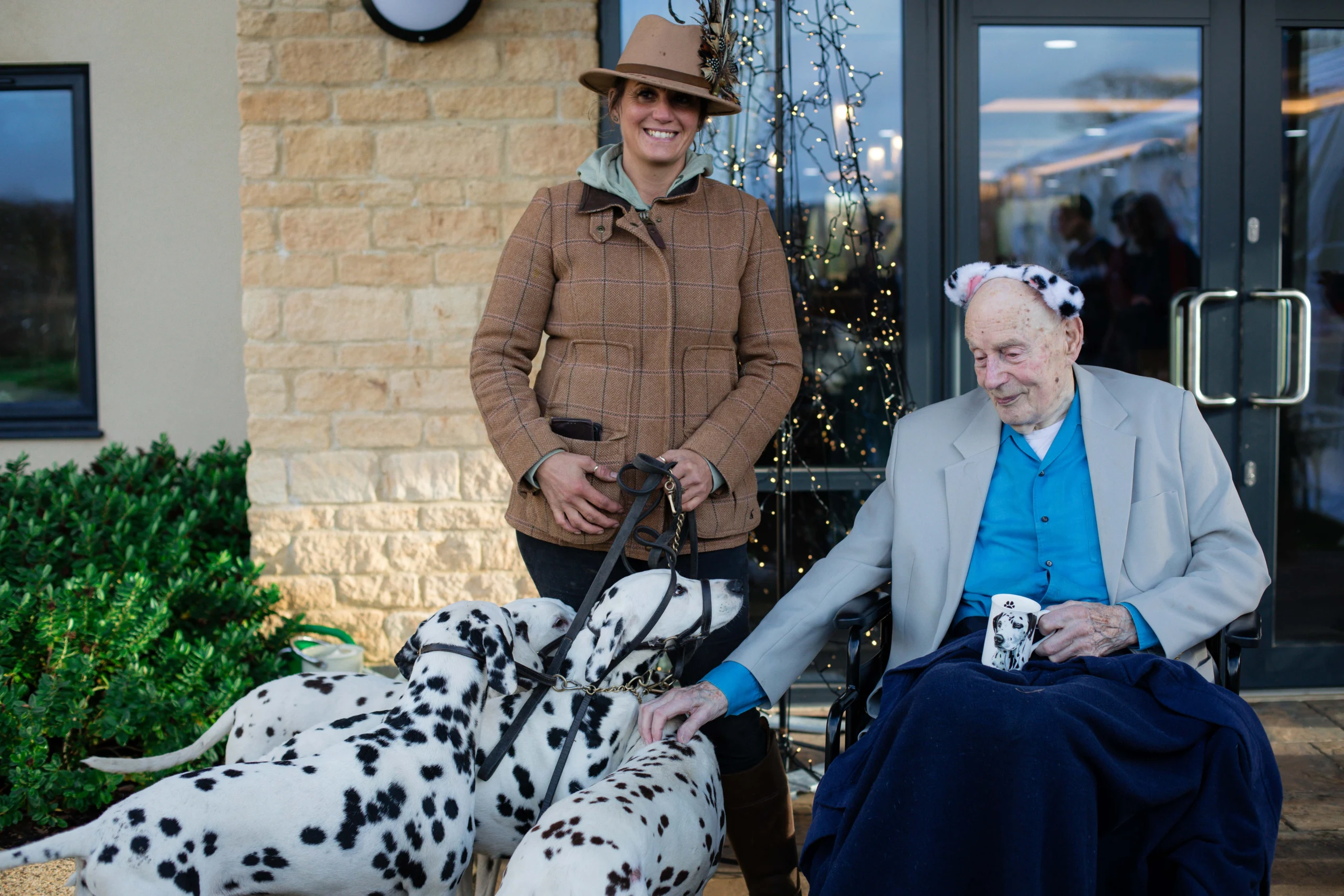
Some birthdays are special. Some are unforgettable. And then there are those rare celebrations that become part of a home’s history — the stories we’ll tell for years to come. Such was the case on 29 November, when our much-loved resident, Dr John Plowman, marked his 101st birthday at Esmere Gardens with a surprise that could only be described as delightfully spectacular.
The weather offered its own dramatic backdrop — a gentle drizzle, soft light, and the kind of misty Cotswold atmosphere that makes everything feel like a scene from a storybook. And quite fittingly, a true storybook moment was about to unfold.
A Quiet Gentleman with an Enormous Heart
Dr John has always carried himself with a gentle grace. When he first arrived at Esmere Gardens, he preferred the quiet corners of the home: a favourite armchair, the company of his books and the steady, comforting tick of his treasured grandfather clock. He is thoughtful, curious and wonderfully articulate — the kind of man who draws you in with stories of days gone by.
Over time, we learned more about the things that shaped him: his academic interests, his love of history, and one passion that never faded — Dalmatians. He and his late wife shared their lives with these beautiful, spot-covered companions, and mentioning them would always bring a spark to his eyes.
Little by little, friendships grew, routines formed, and Dr John quietly became a central figure in our community. When he celebrated his 100th birthday last year with a room full of loved ones, the warmth he felt — and the warmth he gave back — was unmistakable. For his 101st, we wanted something extraordinary. Something joyful. Something perfectly him.
Planting the Seed of a Wild Idea
The idea started with a playful thought: If turning 100 deserved something grand… what deserves 101? Perhaps… 101 Dalmatians?
Realistically, we knew that number was ambitious — but the heart of the idea remained irresistible. So we began quietly planning.
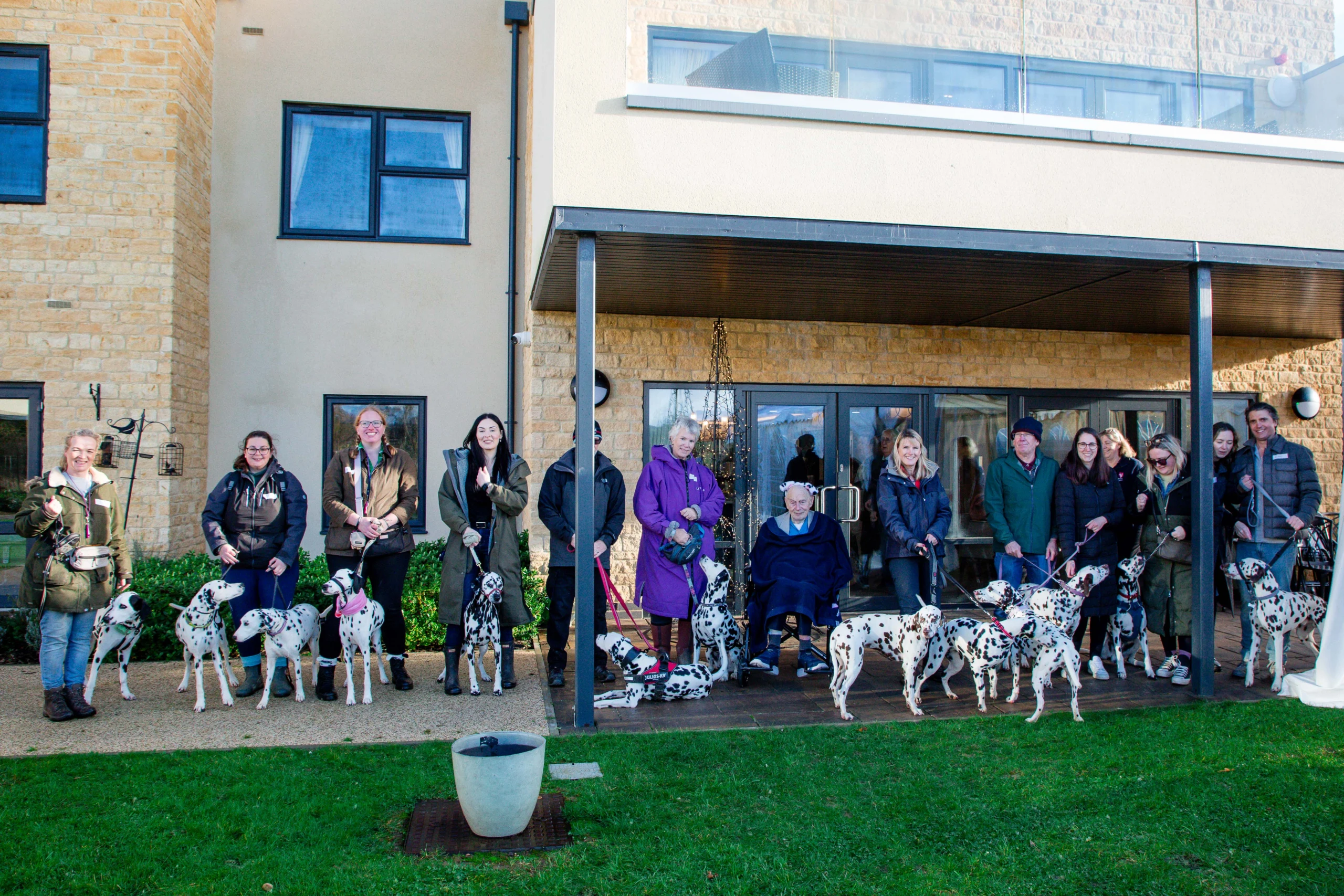
A call went out to the Gloucester Dalmatian Walks group, shared with hope, crossed fingers and excitement. To our amazement, replies poured in almost immediately. Not only were people willing to bring their dogs — they were thrilled to be part of something so joyful and unique.
With the kind support of Christy at Fosseway Fields, and thanks to the commitment of so many generous dog owners, the plan came together beautifully.
Dr John, meanwhile, had absolutely no idea.
The Moment the Spots Arrived
When we invited him outside on the day of his birthday, he assumed it was simply for a small photograph or greeting. But as he stepped into the garden, something magical happened.
First one Dalmatian trotted around the corner.
Then another.
Then several more.
And soon, the garden was alive with non stop wagging tails, bright eyes and joyful energy — a breathtaking gathering of black-and-white beauty.
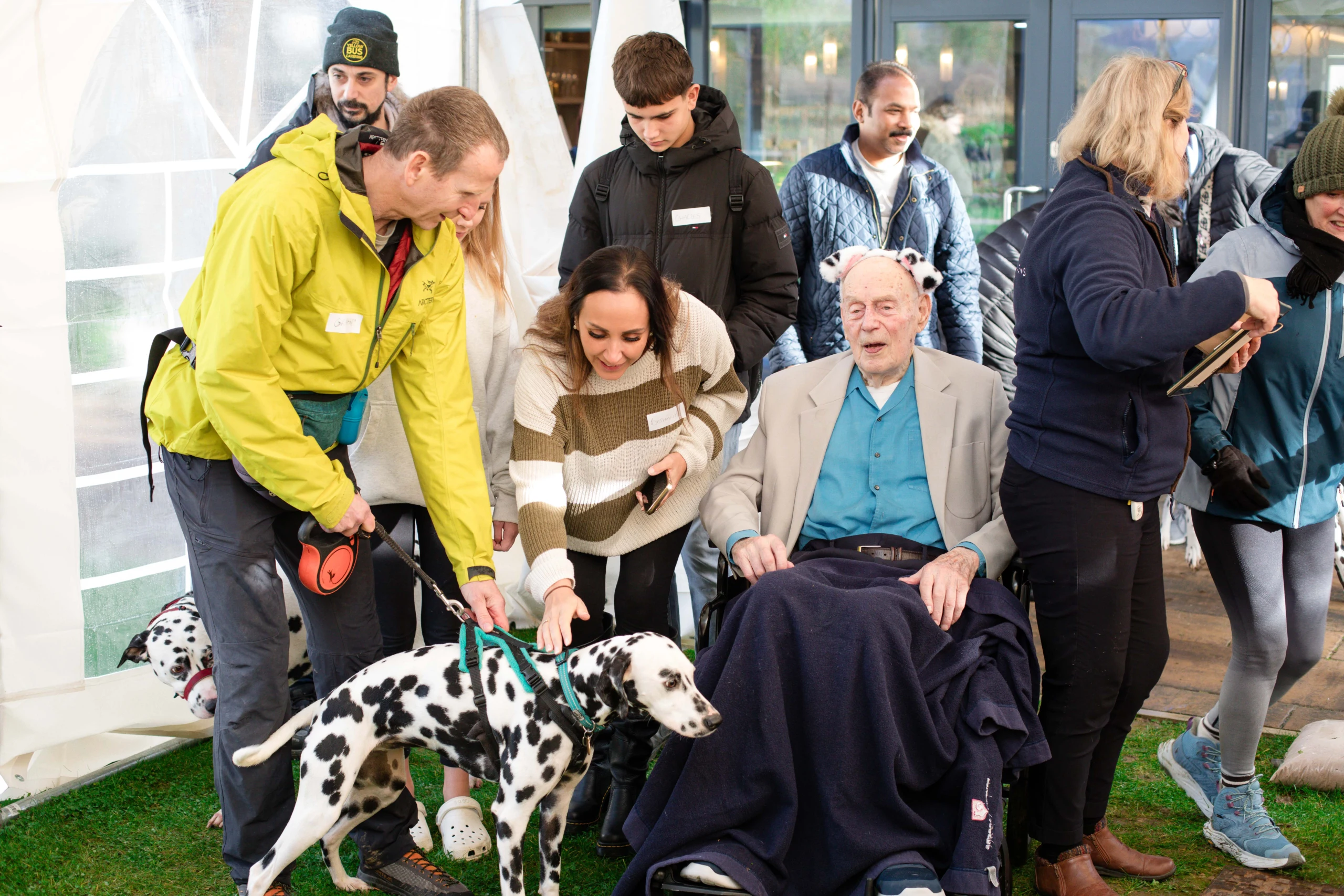
You could feel the gasp ripple through the crowd. Then came Dr John’s expression — wide-eyed, astonished and utterly delighted. His entire face lit up. Residents applauded, visitors laughed, staff wiped away a few emotional tears… and John reached out with a steady, gentle hand to greet his surprise guests.
Those who watched will never forget it. The Dalmatians were unbelievably calm and affectionate, leaning into his knees, nuzzling his hands, and soaking up his delighted attention. Every dog handled the moment with sweet patience, and their owners showed such kindness and care.
It might not have been 101 dogs, but for John, for us, and for everyone there, it had all the wonder of the full fairy tale.
Stories, Laughter and a Legacy of Joy
As the dogs milled around, Dr John began sharing memories — long walks, beloved pets, adventures with his late wife. The past seemed to meet the present in a way that was tender, uplifting and deeply meaningful.
Staff, residents and families gathered for photos, laughter filled the air, and for a little while, the drizzle didn’t matter in the slightest. The garden felt bright.
This wasn’t simply a birthday celebration. It was a reminder of why Esmere Gardens exists: to create moments that make life richer, fuller and joyfully unexpected. Care is not merely about health and support — it is about living, truly living, at every age.
A Day We Will Never Forget
Dr John often refers to this milestone as his “first birthday of his second century,” and after a celebration like this, who could disagree? His clock continues to tick steadily in his room, marking time not as something passing, but as something filled — with companionship, purpose and stories that keep growing.
For everyone who helped — from dog owners and volunteers to our dedicated staff — we extend our heartfelt thanks. You gave a man we all cherish an unforgettable day, and you gave Esmere Gardens a memory that will last for generations.
Sometimes, the most extraordinary joy comes from the simplest things: friendship, kindness and a garden filled with spots.

A Sparkling Celebration: Esmere Gardens 2025 Christmas Fête
A Sparkling Celebration: Esmere Gardens 2025 Christmas Fête
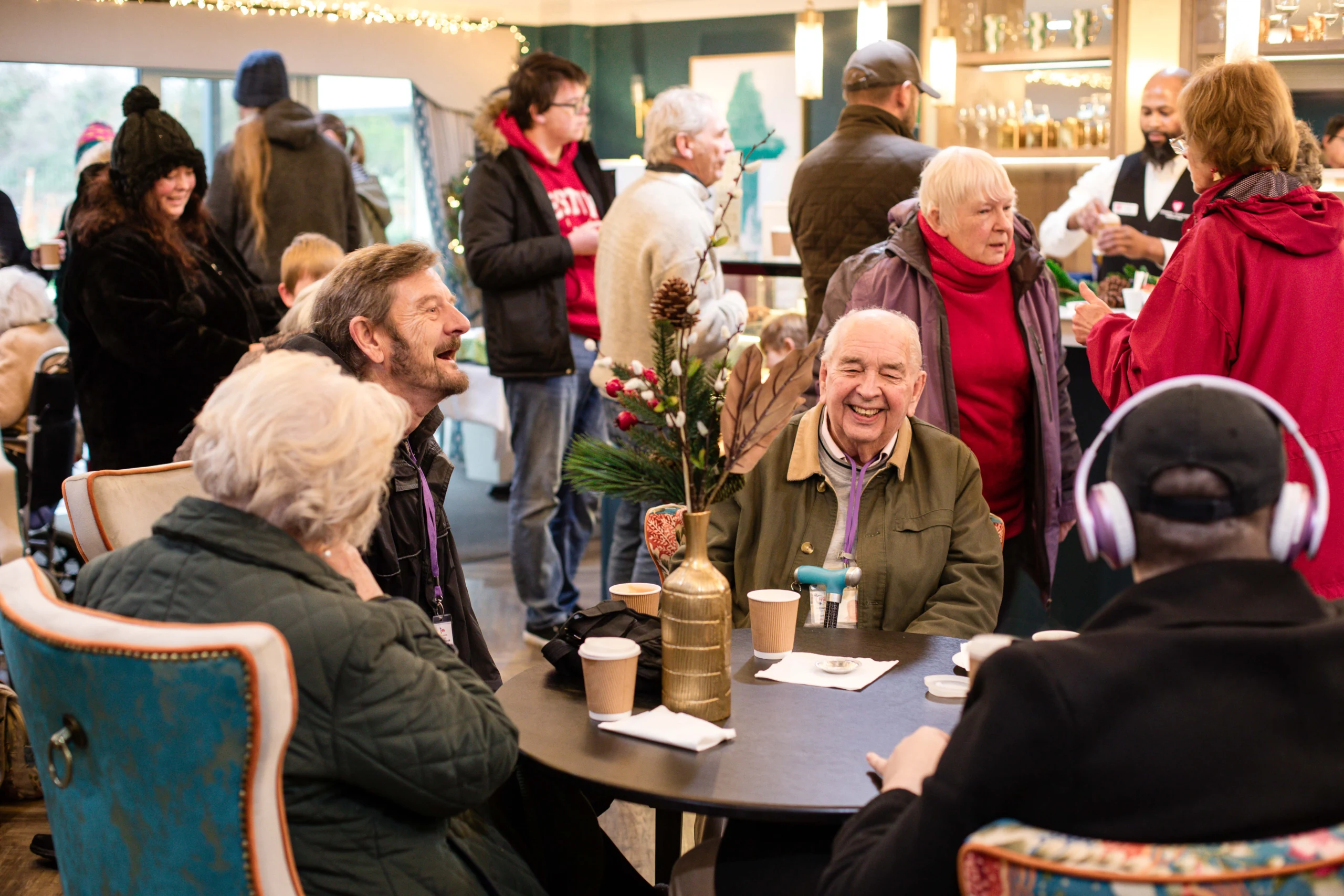
On Saturday 22 November, Esmere Gardens came alive with festive cheer as we hosted our second Christmas-themed Fête, welcoming residents, families, friends, and neighbours from across the community. The day was a joyful blend of tradition, laughter, music, and generosity, a true celebration of togetherness at the start of the festive season. With activities for every age, heart-warming moments throughout, and plenty of opportunities to give back, the event was a shining example of Christmas spirit in action.
A Warm Welcome and a Festive Beginning
From the moment guests arrived, they were greeted with the comforting aromas of mulled wine and freshly baked mince pies, each served with a smile by our hospitality team. Every visitor was also offered the chance to enter our Christmas raffle, with a host of lovely prizes donated by families, staff, and supporters of Esmere Gardens.
Inside the marquee, local stallholders brought their seasonal crafts, treats, and handmade goods — a wonderful opportunity for early Christmas shopping and supporting small businesses. While too numerous to name individually, each stall added its own unique flair to the event, turning the marquee into a bustling, cheerful winter market.

Music, Magic and Christmas Merriment
One of the highlights of the afternoon was a beautiful performance by the Blockley Brass Band, who joined us for an hour of traditional Christmas carols and festive favourites. The sound of brass drifting across the grounds brought instant nostalgia and warmth, with residents and families humming, singing, and tapping along. Their presence helped capture the very essence of Christmas — familiar, comforting, and uplifting.
Meanwhile, the talented team from Luna Aura Face Paints worked their magic on the younger guests, creating everything from sparkling snowflakes to cheeky elves and festive reindeer. Their artistry brought so many smiles, and the children proudly showed off their designs throughout the day.
Just a few steps away, the enchantment continued as visitors met the gentle reindeer from Angel’s Animal Ark, who quickly became the stars of the show. Both children and adults were delighted to stroke, admire, and photograph these beautiful creatures. Next door, Santa and his playful elf welcomed families into the grotto, creating unforgettable moments and filling the air with excitement as Christmas lists were shared and wishes made.


Fun, Games and Fundraising for a Good Cause
Throughout the fête, guests enjoyed a variety of fun fundraising activities designed for all ages. Children eagerly took part in challenges such as Christen the Cow, Guess Santa’s Weight, the always-popular sweets-in-a-jar count, and an Elf-on-the-Stall scavenger hunt. Each activity came with its own festive prize, making the games a favourite stop for our younger visitors.
Adults, meanwhile, tried their luck at the lively “Whine or Wine” stall — a test of intuition and good humour, as bottles filled with water were mixed in among the real wine bottles. There was much laughter as guests hoped to walk away with a bottle of something special for the holidays.
Inside the residents’ stall, a collection of fabulous tombola prizes — generously donated by residents and their families — drew a steady crowd. Manned by volunteers, the stall embodied the heart of the event: community members coming together to support one another while raising funds for a meaningful cause.
Esmere Gardens is proud that proceeds from the fête will once again support the Stour Valley Lions and their long list of charitable projects. Their commitment to helping individuals and community groups makes them a valued partner, and we are delighted to continue supporting their vital work.

Special Guests and Lasting Memories
Another highlight of the day was the presence of the Defence Fire Training Unit from Morton Fire College, whose volunteers kindly brought along a fire engine for visitors to explore. Children were thrilled to climb aboard, press buttons, and learn about equipment, while adults enjoyed a rare behind-the-scenes look at this impressive machine.
To capture the memories, the Magic Photo Mirror offered a festive photo opportunity adorned with seasonal borders and props. Families and residents alike posed for keepsake photos — joyful snapshots of a day filled with laughter, generosity, and community spirit.
A Heartfelt Thank You
The 2025 Christmas Fête was a tremendous success thanks to the tremendous efforts of residents, staff, volunteers, families, local stallholders, performers, and community partners. Every contribution — large or small — helped create a festive celebration filled with warmth and joy.
To everyone who joined us or supported the event in any way, Esmere Gardens extends a heartfelt thank you. Your kindness, enthusiasm, and community spirit made this a day to remember.
We look forward to welcoming you back for many more celebrations in the year ahead. Until then, may your festive season be filled with joy, peace, and togetherness.

Winter Comforts: How Esmere Gardens Creates a Sense of Warmth and Belonging During the Colder Months
Winter Comforts: How Esmere Gardens Creates a Sense of Warmth and Belonging During the Colder Months
Winter has a way of drawing us inward, inviting moments of reflection, comfort, and togetherness. At Esmere Gardens, we embrace the season wholeheartedly, creating an atmosphere of warmth and belonging for our residents — a place where winter feels less like a challenge and more like a time to nurture wellbeing, connection, and homely comfort.
Creating Cosy, Welcoming Spaces
The environment plays a crucial role in winter comfort. Soft lighting, seasonal decorations, warm blankets, and inviting communal areas all contribute to a sense of calm and relaxation. Our lounges become places for conversation, games, music, and companionship, while private rooms are enhanced with soft textiles, familiar items, and personal touches that make residents feel at home.
Scent is a powerful emotional anchor. The gentle aroma of spiced apple, cinnamon, or freshly baked goods often fills the home during winter, creating a sensory experience that is both comforting and uplifting.
Nourishing Winter Menus
Food provides both comfort and connection. Our chefs create seasonal menus that warm the body and soul — from hearty soups and shepherd’s pie to spiced puddings and festive treats. Meals are freshly prepared, nutritionally balanced, and enjoyed together, encouraging conversation and a sense of community.
Hot drinks are available throughout the day, offering warmth on colder mornings or a comforting moment before bedtime.
Daily Routines That Nurture Wellbeing
Consistency and structure are especially important during winter months. Our daily routines help residents feel grounded, secure, and supported. Gentle morning stretches, sensory activities, mindfulness moments, and creative sessions help influence mood and energy levels.
We ensure residents have opportunities to get fresh air when the weather allows, whether through a walk in the courtyard or quiet time wrapped up on the terrace. Natural daylight is an important contributor to wellbeing in winter, so we maximise sunlight wherever possible.
Companionship and Emotional Comfort
Connection is at the heart of winter wellbeing. Our team spend time chatting, sharing stories, reading aloud, or enjoying films together with residents. Small gestures — offering a warm drink, giving reassurance, or simply being present — help create a sense of emotional safety and belonging.
Group activities help combat winter isolation. Residents can choose from music sessions, craft groups, quizzes, baking, flower arranging, or seasonal events. These moments foster friendships and create shared experiences that brighten the season.
Festive Moments That Bring Joy
Christmas at Esmere Gardens is a time of celebration. From decorating the home to hosting festive activities, Christmas parties, visits from serenaders, and seasonal crafts, we ensure that the season feels special. Residents are encouraged to join in as much or as little as they wish.
These joyful gatherings bring residents, families, and staff together, reinforcing Esmere Gardens’ ethos: that life is for living, even in the quietest months of the year.
A Season of Warmth, Care, and Connection
Winter can be a period of stillness, but at Esmere Gardens it becomes a season of comfort and connection. The combination of cosy surroundings, thoughtful routines, nourishing food, companionship, and festive celebration ensures residents feel supported, seen, and cherished.
It is our privilege to create an environment where every resident feels not just cared for, but truly at home — especially during the winter months.
Keeping Spirits Bright: How Social Connection Supports Wellbeing Through the Winter Season
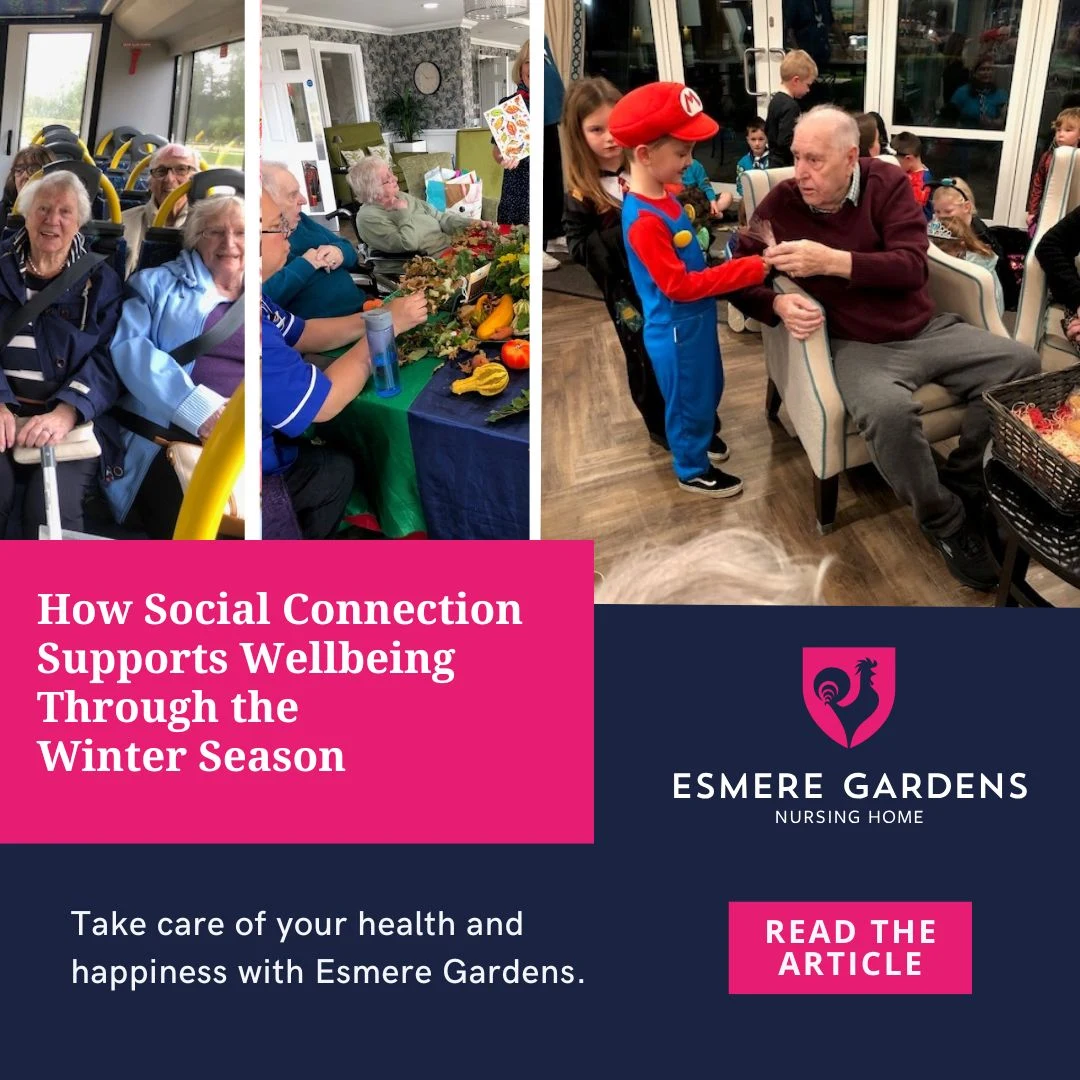
Keeping Spirits Bright: How Social Connection Supports Wellbeing Through the Winter Season
As winter settles in and the days grow shorter, maintaining emotional and social wellbeing becomes increasingly important. For older adults, the colder months can bring moments of isolation or reduced social contact — which is why connection, activity, and companionship matter more than ever. At Esmere Gardens, we make winter a season of warmth, engagement, and community, ensuring residents feel supported, stimulated, and uplifted throughout.
The Power of Companionship
Daily connection is essential to wellbeing in later life. Whether through friendly chats over morning coffee, shared meals, or group activities, companionship helps residents feel secure and valued. At Esmere Gardens, our care teams build strong, personal relationships with each resident — relationships based on understanding, empathy, and trust.
These consistent, familiar interactions help maintain emotional resilience during the darker months and offer a sense of stability and belonging.
Music, Rhythm, and Shared Joy
Music has an extraordinary ability to lift spirits in winter. Our regular live performances, MindSong sessions, and rhythm-based activities help stimulate memory, encourage movement, and foster joy. Residents often sing along, reminisce, and connect with one another in ways that transcend words.
Winter can be a perfect time to revisit songs from residents’ younger years, helping to spark conversations and shared memories.
Meaningful Activities and Creative Expression
Engagement in meaningful, structured activities supports cognitive and emotional wellbeing. Winter is a wonderful time for arts, crafts, baking, flower arranging, and storytelling sessions. These activities provide rhythm to the day and a sense of purpose, while also offering opportunities to learn new skills or revisit old hobbies.
Games, quizzes, and puzzles bring fun and social interaction, while sensory activities — such as scent jars, textured crafts, or gentle hand massage — create calm and comfort.
Intergenerational Moments That Warm the Heart
Visits from local schools, community groups, Beaver Scouts, musicians, and therapy animals bring energy and vibrancy into our home. Children, in particular, bring a special kind of joy. Their enthusiasm and curiosity often spark warm exchanges and shared laughter with residents.
These intergenerational experiences help reduce loneliness, strengthen community bonds, and remind residents of their own importance within the wider world.
The Importance of Routine and Togetherness
Winter wellbeing is also supported by daily structure. Shared mealtimes, group gatherings, book clubs, and regular conversation circles encourage participation and make every day feel purposeful. When residents come together, they form friendships that support one another through the season.
Our team also keeps a close eye on individual preferences — creating quiet moments for those who enjoy peaceful reflection, and lively opportunities for those who thrive in group settings.
A Home Filled with Light, Warmth, and Welcome
Even as the days shorten, Esmere Gardens remains a bright and uplifting space. Warm lighting, seasonal decorations, festive events, and winter treats all help create a sense of togetherness and celebration. The atmosphere is one of comfort, familiarity, and shared joy — ensuring residents feel supported emotionally as well as physically.
Winter may bring dark evenings, but at Esmere Gardens, the season is filled with connection, cheer, and the warmth of community.