

Why Gloucestershire's move toward embedded medical teams matters to families choosing long-term support
Embedded Medical Teams in Gloucestershire: What They Mean for Long-Term Care Decisions
Across Gloucestershire, health and care services are moving towards more joined-up, community-based support. This is often described as integrated care, community teams or embedded medical teams.
For families deciding what long-term support an older relative needs, this matters.
When care is fragmented, families can feel stuck in the middle: repeating medical history, chasing referrals, explaining medication changes, managing discharge notes and reacting to one crisis after another.
When care is joined up, the experience can feel calmer. Professionals share information, support is planned earlier and families have a clearer idea of what happens next.
For families in Moreton-in-Marsh, Stow-on-the-Wold, Bourton-on-the-Water, Chipping Campden, Cheltenham, Gloucester and the wider Cotswolds, the key question is often not simply:
“Home care or care home?”
It is:
“What support system will keep my relative safe, stable, understood and well cared for?”
That support system may involve NHS community teams, GP input, social care, voluntary organisations, family support, home care or a move into residential, nursing, dementia or respite care.
Quick Answer: What are embedded medical teams?
Embedded medical teams are joined-up groups of health and care professionals who work closer to where people live. In Gloucestershire, this can include GPs, community nurses, occupational therapists, physiotherapists, reablement workers, social workers, specialist services, voluntary organisations and care providers working together around a person’s needs.
For families, the benefit is clearer coordination, fewer gaps and earlier support when an older person’s health, mobility, memory or independence changes.
1) What “embedded medical teams” means — and why families feel the difference
“Embedded medical teams” is a practical idea: bring clinical and care expertise closer to people’s everyday lives, instead of waiting until a crisis forces hospital admission.
In Gloucestershire, this approach can be seen through services such as Integrated Community Teams and Complex Care at Home.
For families, the difference is often felt in small but important ways:
Fewer repeated assessments
Better communication between professionals
Clearer escalation when something changes
More support after illness or hospital discharge
Earlier planning for frailty, dementia or long-term conditions
More practical advice for carers
Less pressure on one family member to coordinate everything
This matters most when needs are complex or changing.
An older parent may be mostly managing until they suddenly are not. A fall, infection, medication issue, period of confusion, reduced appetite or hospital stay can quickly change the level of support needed.
Joined-up care helps families respond with a plan rather than panic.
2) Gloucestershire’s Complex Care at Home model: support for more complex needs
Gloucestershire’s Complex Care at Home service is designed for adults with multiple or complex needs who are losing independence and resilience.
The model includes personalised support, care coordination, clinical expertise, health coaching and advice to help people manage their conditions and access ongoing support in the community.
This kind of support is especially relevant when someone has:
Multiple long-term conditions
Frailty
Repeated unplanned care needs
Recent hospital admissions
Increasing reliance on emergency care
A need for multidisciplinary planning
Health and wellbeing goals that require coordinated support
For families, this recognises a common reality: the hardest part of care is often not one single condition, but the combination of many things happening at once.
For example:
Falls risk plus dementia
Diabetes plus poor appetite
Heart disease plus breathlessness
Arthritis plus reduced mobility
Infection risk plus confusion
Medication changes plus dizziness
Carer exhaustion plus night-time supervision
The more complex the picture becomes, the more important coordination is.
That is also why some families eventually begin exploring a care home. Not because home has failed, but because the right environment may provide safer routines, consistent monitoring and more support than one household can realistically provide.
3) Integrated Community Teams: support for patients, carers and families
Gloucestershire’s Integrated Community Teams bring together professionals such as community nurses, occupational therapists, physiotherapists, social workers and reablement workers.
Their role is to support people in their place of residence or in the community, working alongside GPs, community hospitals, specialist services, voluntary organisations and other care providers.
For families, one important point is that these services do not only think about the patient. They also recognise the needs of carers and families.
That matters because family carers often carry hidden responsibilities, including:
Booking appointments
Managing medication changes
Watching for warning signs
Coordinating transport
Speaking to GP surgeries
Chasing hospital letters
Supporting meals, washing and routines
Making difficult decisions under pressure
Worrying overnight
When services include carers in planning, families can feel less alone and more confident.
A useful local source for family carers is NHS Gloucestershire support for carers, which explains support for people who care for a family member, partner, neighbour or friend.
4) “One team” working: why system changes affect day-to-day peace of mind
The phrase “one team” may sound like NHS language, but for families it has a very practical meaning.
It should mean:
Less repeating your parent’s story
Fewer conflicting instructions
Better follow-up after appointments
Clearer communication between professionals
Earlier support for frailty and dementia
More joined-up planning after hospital discharge
Less crisis-led decision-making
NHS Gloucestershire has also introduced earlier support for people with frailty and dementia across Primary Care Networks, with the aim of helping people stay independent for longer and reducing avoidable hospital visits.
For families, this reinforces a simple point: asking for support early is not overreacting. It is sensible planning.
If your parent is becoming more frail, more confused, more dependent or more difficult to support safely, it is reasonable to ask:
“What support is available locally before this becomes a crisis?”
This could involve the GP, community teams, adult social care, memory services, carer support, respite care or a longer-term care-home conversation.
5) How embedded teams reshape long-term support decisions
Better community coordination can help some people stay in familiar surroundings for longer.
For example, support at home may include:
Community nursing
Reablement
Physiotherapy
Occupational therapy
Falls advice
Equipment
Medication support
Social care assessment
Carer support
Dementia support
Voluntary-sector help
Gloucestershire County Council also explains that care at home can help people retain independence while receiving support in familiar surroundings.
But joined-up care can also make it clearer when a move into a care home is the safer, kinder next step.
A care home may be worth considering when there is:
Repeated falling
Night-time wandering or confusion
Unsafe cooking or household risks
Medication errors
Poor nutrition or hydration
Advanced dementia
Increased agitation or distress
Complex nursing needs
Repeated hospital admissions
Carer burnout
A need for 24-hour support
Loneliness or isolation
Difficulty coping after discharge
The decision is not simply “home versus care home”.
A better question is:
“What setting gives my relative the safest, calmest and most consistent support?”
For some people, that will be home with coordinated community support. For others, it may be residential, nursing, dementia or respite care.
6) Safety, costs, nursing, dementia, respite, activities and GP support: what families usually ask first
Families usually want clear answers early.
Is it safe?
Safety should include more than the building. Ask how risks are managed day to day, including:
Falls
Medication
Infection prevention
Nutrition
Hydration
Pressure care
Night-time support
Dementia-related distress
Hospital discharge
Family communication
Escalation when someone becomes unwell
A care home should be able to explain what happens when a resident’s condition changes.
How much does care cost?
Costs depend on the type of care, the room, the level of support required and what is included.
Families should ask:
What is included in the weekly fee?
Are activities included?
Is GP or medical support included?
Are appointments, transport or personal extras charged separately?
What happens if care needs increase?
Are respite stays priced differently?
Is nursing care charged differently?
For families considering self-funded care, all-inclusive pricing can make comparisons easier.
You can read more about Esmere Gardens’ approach to care services in Moreton-in-Marsh.
What type of care is needed?
Different types of care support different needs.
Residential care
Residential care supports daily living, personal care, meals, routines, companionship and safety.
Nursing care
Nursing care includes support from registered nurses for people with more complex clinical needs. Families can read more about nursing care at Esmere Gardens.
Dementia care
Dementia care should provide calm routines, trained staff, personalised communication, life-history knowledge and support for memory, behaviour and distress.
Respite care
Respite care offers short-term support. It can help after illness, during recovery, while families rest or when longer-term decisions are being made. Families can learn more about respite care in Moreton-in-Marsh.
Will daily life still feel meaningful?
A good care home should not feel like medical management alone.
Families should ask about:
Activities
Gardens and outdoor space
Food and drink
Social connection
Music, crafts or hobbies
Family visits
Quiet spaces
Personal routines
Religious or cultural needs
How staff get to know each resident
You can explore daily routines and wellbeing through Life at Esmere Gardens.
Is there consistent GP support?
For some families, GP continuity is a major reassurance.
At Esmere Gardens Nursing Home, residents have access to on-site private GP support as part of the home’s all-inclusive care model. This can help families feel more confident that health changes will be assessed promptly and communicated clearly.
7) Planning for later stages: palliative support, end-of-life care and continuity
Long-term support decisions often include difficult “what if” questions.
Families may wonder:
What if dementia progresses?
What if Mum stops eating well?
What if Dad becomes weaker?
What if hospital trips become too distressing?
What if end-of-life care is needed?
Palliative care is not only about the final days of life. It can support comfort, symptom control, emotional wellbeing and family guidance alongside serious or progressive illness.
In a care home, good later-stage care should include:
Clear communication with family
GP or doctor involvement
Nursing oversight where needed
Pain and symptom management
Respect for wishes and preferences
Anticipatory planning
Support from community or specialist palliative services when appropriate
Familiar routines and surroundings
Emotional support for relatives
Planning ahead can reduce panic later. It can also help families spend more time being present rather than trying to coordinate urgent decisions.
Choosing support is not failure. It is often how families protect dignity, reduce distress and make space for meaningful moments.
8) What embedded care means for families choosing support near Moreton-in-Marsh
For families in the North Cotswolds, embedded care is not just a system idea. It affects real decisions.
You may be wondering whether your parent needs:
More support at home
A social care assessment
Help from community teams
Respite care
Dementia care
Nursing care
A permanent care-home move
More consistent medical oversight
If you are comparing care options near Moreton-in-Marsh, Stow-on-the-Wold, Chipping Campden, Bourton-on-the-Water, Broadway, Cheltenham or Gloucester, look for signs of joined-up care.
Ask each care provider:
“How do you coordinate with GPs, nurses, community services, hospitals, families and local authorities?”
A strong answer should be practical, not vague.
It should explain how the home communicates, updates care plans, reviews risks, supports hospital discharge, escalates concerns and keeps families informed.
Esmere Gardens is regulated by the Care Quality Commission, and its CQC profile lists services including nursing or personal care, treatment of disease, disorder or injury, care for adults over 65, dementia and physical disabilities.
For families, regulation is only one part of the decision, but it is an important place to start.
Conclusion: choose the right care system, not just the right location
Gloucestershire’s move towards more embedded, integrated and community-based care matters because it changes the experience of support.
Instead of reacting to one crisis after another, families can begin to think in terms of stability, planning and continuity.
For some older people, that may mean staying at home with coordinated community support. For others, it may mean moving into a care home that provides residential, nursing, dementia or respite care with strong medical oversight.
The goal is the same:
Safety, dignity, companionship and peace of mind.
If you are exploring long-term care in Moreton-in-Marsh, Gloucestershire or the wider Cotswolds, it may help to view the decision as choosing the right support system, not simply a location.
Look for clear communication, joined-up working, safe medicines management, dementia awareness, nursing capability where needed, meaningful daily life and reliable GP support.
To talk through care options, ask questions or arrange a visit, you can contact Esmere Gardens.
Frequently Asked Questions
What are embedded medical teams in Gloucestershire?
Embedded medical teams are joined-up health and care professionals who work closer to where people live. This may include GPs, community nurses, physiotherapists, occupational therapists, social workers, reablement workers and care providers.
Do embedded medical teams replace a care home?
No. They can support people at home and reduce fragmentation, but some people still need residential, nursing, dementia or respite care when needs become too complex or risks increase.
Can embedded care reduce hospital admissions?
One aim of coordinated community care is to support people earlier and reduce avoidable hospital visits. Hospital care will still be needed when clinically appropriate.
How do Integrated Community Teams help families?
They bring together professionals to provide assessment, treatment and support in the community, often working with GPs, specialist services, voluntary organisations and carers.
What is Complex Care at Home in Gloucestershire?
Complex Care at Home supports adults with multiple or complex needs who are losing independence and resilience. It includes care coordination, clinical expertise, health coaching and advice.
When should we consider a care home instead of home care?
A care home may be worth considering if there are repeated falls, night-time confusion, medication errors, advanced dementia, poor nutrition, carer burnout, frequent hospital admissions or a need for 24-hour support.
What should I ask when choosing long-term care near Moreton-in-Marsh?
Ask about nursing capability, dementia support, medicines management, GP access, family communication, safety processes, activities, respite care and how the provider coordinates with NHS and community services.
Why is GP support important in a care home?
GP support can help with medicines reviews, early assessment, long-term condition management, dementia-related changes, hospital discharge and decisions about whether hospital care is needed.
Does Esmere Gardens offer nursing, dementia and respite care?
Yes. Esmere Gardens in Moreton-in-Marsh offers residential, nursing, dementia and respite care, with all-inclusive pricing and on-site private GP support.
How can families reduce guilt when choosing a care home?
It can help to reframe the decision as choosing safety, companionship and consistent support. Moving into care is not giving up; it may be the step that allows family time to become calmer, warmer and less crisis-driven.


How to choose a medical-led, compassionate residential home for an elderly parent
How to Choose a Medical-Led, Compassionate Care Home in Gloucestershire
Choosing a residential home for an elderly parent can feel like one of the heaviest decisions a family will ever make.
You may be asking:
“Will Mum or Dad be safe?”
“Will their health needs be noticed early?”
“Will they be treated with kindness, dignity and respect?”
“What happens if they need more support than we can manage at home?”
For families in Gloucestershire, Moreton-in-Marsh and the wider Cotswolds, the best care home is usually one that combines two things: strong clinical oversight and genuine compassion.
A good home should feel warm, personal and reassuring. But it should also have clear systems for safety, medicines, care planning, dementia support, nursing care, GP input and communication with families.
This guide explains how to compare care homes calmly and confidently, whether you are considering residential care, nursing care, dementia care or respite care.
Quick Answer: What should I look for when choosing a care home?
When choosing a care home, look for CQC regulation, kind and consistent staff, safe medicines management, clear care plans, good communication, meaningful activities, dementia support where needed, nursing care if health needs are complex, and reliable access to GP or medical support. Always visit in person, ask practical questions and check whether the home can meet your parent’s needs now and if those needs change.
1) Start with the right type of care: residential, nursing, dementia or respite
Before comparing care homes, it helps to understand what type of support your parent needs now — and what they may need soon.
The NHS explains the difference between residential care homes and nursing homes in its guide to care homes.
Residential care
Residential care supports older people with daily living. This may include personal care, meals, routines, companionship, medication support and help staying safe.
It may be suitable if your parent no longer feels safe or confident living alone but does not need 24-hour nursing support.
Families looking locally can read more about residential care in Moreton-in-Marsh.
Nursing care
Nursing care includes support from registered nurses. This may be needed if your parent has more complex health needs, such as wound care, frequent monitoring, higher frailty, mobility problems, complex medication needs or support after hospital discharge.
You can learn more about nursing care at Esmere Gardens.
Dementia care
Dementia care should provide more than a safe environment. It should include trained staff, calm routines, personalised communication, meaningful activity, family involvement and awareness of how dementia can affect behaviour, mood, eating, sleep and mobility.
The NHS guide to dementia and care homes is a useful external resource for families.
Respite care
Respite care is short-term care. It can help after illness, during recovery, while family carers rest, or when a family is deciding whether permanent care may be needed.
For some families, respite care is also a gentle way to experience a care home before making a longer-term decision.
2) Use CQC regulation as a first filter — then look deeper
In England, care homes are regulated by the Care Quality Commission, known as the CQC.
The CQC inspects and regulates health and social care services. Families can use the CQC care home search to check a home’s rating, inspection reports and registration details.
CQC information is a useful first filter, but it should not be the only factor.
When reviewing a care home, look at:
Overall CQC rating
Ratings for safe, effective, caring, responsive and well-led
Inspection findings
Any repeated concerns
How the home responds to feedback
Whether the home is registered for the type of care your parent needs
Whether the home is transparent when you ask questions
A good care home should be open about its strengths and honest about how it improves.
Families considering Esmere Gardens can view the home’s CQC profile.
3) Staffing: look for enough skilled people and real continuity
When visiting a care home, it is natural to notice whether staff are friendly. Kindness matters deeply, but families should also ask whether there are enough skilled staff to provide safe and consistent care.
Useful questions include:
Who is on duty during the day?
Who is on duty overnight?
Are registered nurses on site?
How are new staff trained?
What dementia training do staff receive?
Who leads each shift?
How are agency staff used?
How does the home make sure residents see familiar faces?
What happens if several residents become unwell at once?
Continuity matters because long-standing staff often know residents well. They are more likely to notice subtle changes in appetite, mood, mobility, sleep, confusion or pain.
A good care home should not feel rushed or chaotic. Staff should have time to speak gently, respond properly and understand the person behind the care plan.
Watch how staff interact with residents during your visit. Small moments often say a lot.
4) Medical-led care: ask who leads clinically
A medical-led, compassionate care home should be able to answer direct questions clearly.
Ask:
“Who leads clinical care here?”
“How often are residents reviewed?”
“What happens if my parent becomes unwell?”
“How do you involve GPs, nurses, pharmacists and other professionals?”
Medical-led care does not mean the home should feel clinical or impersonal. It means there are strong systems behind the warmth.
This may include:
GP support
Nursing oversight
Medication reviews
Falls monitoring
Infection escalation
Nutrition and hydration checks
Pressure care
Dementia-related health reviews
Hospital discharge planning
End-of-life planning where appropriate
NHS England’s Enhanced Health in Care Homes framework supports more proactive care for people living in care homes, with stronger links between care homes, primary care, community services and wider health support.
At Esmere Gardens, residents have access to dedicated onsite GP support as part of the home’s all-inclusive care model. This can help families feel more confident that changes in health will be reviewed promptly and communicated clearly.
5) Care planning: look for assessment, reviews and quick adaptation
Strong care planning is where compassion becomes practical.
A good care plan should explain not only what support someone needs, but who they are as a person.
It should include:
Personal care needs
Health conditions
Medicines
Mobility
Falls risk
Nutrition and hydration
Continence
Sleep
Communication
Memory and cognition
Skin integrity
Pain
Preferences and routines
Family contacts
Life history
What helps the person feel calm
What a good day looks like
Ask how often care plans are reviewed and what happens when needs change.
For example:
What happens after a fall?
What happens after hospital discharge?
What happens if eating or drinking reduces?
What happens if dementia symptoms change?
What happens if medication is altered?
How are families involved in reviews?
A good home should be able to show how care plans are used in daily life, not just stored in a file.
Person-centred care should feel specific. You want to hear about your parent as an individual, not only as a list of tasks.
6) Match the home to your parent’s real medical complexity
It is easy to choose a home based on how your parent is on their best day. But families should also think about harder days.
Before visiting, make a list of your parent’s needs, including:
Diagnoses
Medicines
Falls history
Mobility issues
Memory concerns
Continence needs
Eating and drinking
Weight loss
Swallowing concerns
Pain
Sleep
Mood or anxiety
Hospital admissions
Support with washing, dressing or eating
Behaviour changes
Family concerns
Then ask the home how each area would be supported.
Do not be afraid to be specific.
For example:
“Dad has fallen three times in six months. How would you reduce his falls risk?”
“Mum forgets to drink. How would hydration be monitored?”
“My parent becomes distressed in the evening. How would staff respond?”
“There has been recent weight loss. How would nutrition be reviewed?”
Good homes give practical answers.
They should be able to explain what they would observe, record, review and escalate.
7) Safety, medicines and safeguarding: what safe care looks like
Safety is more than call bells and handrails.
A safe care home should have clear systems for:
Medicines management
Falls prevention
Infection prevention
Food safety
Moving and handling
Pressure care
Safeguarding
Fire safety
Risk assessments
Staff training
Reporting incidents
Learning from concerns
Communicating with families
Medicines are especially important. NICE guidance on managing medicines in care homes sets out good practice for prescribing, handling and administering medicines in care homes.
Ask:
How are medicines ordered?
How are medicines stored?
Who administers medicines?
How are errors reported?
How are side effects monitored?
Are medicines reviewed regularly?
How are families told about changes?
What happens after hospital discharge?
Safeguarding is also essential. Ask how staff are trained to protect residents from abuse, neglect, poor practice or avoidable harm.
A compassionate home should protect dignity as actively as it protects health.
8) Compassion you can see: routines, relationships and daily life
Clinical competence is essential, but it is not enough on its own.
A good care home should also support emotional wellbeing, purpose, friendship and belonging.
When you visit, look for compassion in ordinary moments:
Do staff use residents’ preferred names?
Do they speak gently?
Are residents offered choices?
Are people rushed?
Is there laughter?
Are residents dressed comfortably and respectfully?
Does the home feel calm?
Are activities meaningful?
Are visitors welcomed?
Are people supported to spend time outside?
Do staff seem to know residents as individuals?
Daily life matters.
A care home should offer more than tasks. It should offer companionship, activity, familiar routines, quiet spaces, conversation, good food and moments of comfort.
For some residents, that might mean music, gardening, baking, crafts, gentle exercise, a film, a quiet cup of tea, a favourite chair or a walk in the garden.
You can explore daily life at Life at Esmere Gardens.
9) Family partnership: you should feel included, not in the way
Families should not feel pushed aside after a parent moves into care.
A good care home should welcome family involvement, while respecting the resident’s wishes and privacy.
Ask:
Who is our main contact?
How often will we receive updates?
How are concerns raised?
Are family meetings offered?
How are care plans reviewed with us?
How are changes in health communicated?
What happens if we disagree with something?
How are complaints handled?
How are end-of-life wishes discussed?
How are visitors supported?
Good communication is one of the clearest signs of a well-run care home.
Families should feel listened to, not managed.
The right home will understand that relatives often know the person best. Your knowledge of routines, preferences, worries, habits and history can help staff provide better care.
10) Questions to ask when touring a care home
Take a checklist with you. It helps keep the visit grounded when emotions are high.
Clinical and care questions
Who is the clinical lead?
Is nursing care available?
Is there GP support?
How are residents reviewed?
How are medicines managed?
How are falls prevented?
How is hydration monitored?
What happens if a resident becomes unwell?
How are hospital discharges handled?
How are families updated?
Dementia questions
What dementia training do staff receive?
How do you support communication?
How do you respond to distress?
How do you identify pain or infection in someone with dementia?
Are routines personalised?
How do you support orientation and familiarity?
Daily life questions
What activities are offered?
Can residents use outdoor spaces?
Are meals flexible?
Are visitors welcome?
How do staff learn about life history?
How are birthdays, interests and personal routines supported?
Cost questions
What is included in the weekly fee?
Are there extra charges?
Is GP support included?
Are activities included?
Are appointments or transport included?
What happens if care needs increase?
Is respite priced differently?
The best homes answer these questions calmly and clearly.
If a home seems defensive or vague, that is worth noticing.
11) What this means for families choosing care near Moreton-in-Marsh
If you are exploring care in Moreton-in-Marsh, Gloucestershire or the wider Cotswolds, it helps to compare homes through both a practical and emotional lens.
You are looking for:
Safe care
Kind staff
Clear communication
Good CQC information
Strong care planning
Dementia awareness
Nursing support where needed
Medicines safety
Meaningful daily life
GP or medical continuity
Transparent costs
A home where your parent can feel known
Esmere Gardens is a care home in Moreton-in-Marsh providing residential, nursing, dementia and respite care with all-inclusive pricing and dedicated onsite GP support.
Families can read more about Esmere Gardens’ care services or contact Esmere Gardens to ask questions or arrange a visit.
The right home should welcome your questions. It should help you understand not only how your parent will be cared for, but how they may belong.
Conclusion: choose evidence, observation and family fit
The best care-home decision is usually made through a blend of evidence, observation and family instinct.
Use CQC information to shortlist. Use NHS guidance to understand care types. Use your visit to observe staff, routines, communication and atmosphere. Use direct questions to test whether the home can meet your parent’s real needs.
A medical-led, compassionate care home should offer both clinical confidence and everyday warmth.
It should help your parent feel safe, respected and known.
It should help your family feel informed rather than overwhelmed.
If you are exploring residential, nursing, dementia or respite care near Moreton-in-Marsh, Gloucestershire or the Cotswolds, take your checklist, ask the difficult questions and look for a home that treats your parent not as a placement, but as a person.
Frequently Asked Questions
How do I compare care home costs?
Ask for a written breakdown of what is included in the weekly fee and what costs extra. Check whether meals, activities, GP support, appointments, transport, hairdressing, chiropody, continence products or personal expenses are included.
Is residential care enough if my parent’s health is fragile?
Not always. Residential care supports daily living, but nursing care may be more suitable if your parent needs registered nursing support, frequent monitoring, wound care, complex medication support or higher clinical oversight.
How can I judge safety quickly on a care home visit?
Look for calm staff, clean surroundings, clear medication processes, good infection prevention, safe movement around the home and residents who appear respected and comfortable. Also ask about safeguarding, falls, medicines and incident learning.
What should I ask about dementia care?
Ask about dementia training, personalised routines, distress, communication, meaningful activities, pain recognition, night-time support and how staff respond when behaviour or confusion changes.
Why does GP support matter in a care home?
GP support can help with medical reviews, medication changes, infections, falls, pain, long-term conditions, dementia-related changes and decisions about whether hospital care is needed.
What is the difference between residential care and nursing care?
Residential care supports daily living, personal care, meals, companionship and safety. Nursing care includes support from registered nurses for people with more complex health or clinical needs.
Can respite care help before making a permanent decision?
Yes. Respite care can provide short-term support, give family carers time to rest and help an older person experience a care home before a longer-term move is considered.
How do I check a care home’s CQC rating?
Use the Care Quality Commission website to search for the care home. The CQC profile will show ratings, inspection reports, registration details and regulated activities.
What makes a care home compassionate?
Compassion shows in small daily actions: respectful communication, personal choices, familiar routines, gentle support, meaningful activities, family involvement and staff who know residents as individuals.
What should I bring when visiting a care home?
Bring a list of your parent’s health conditions, medicines, routines, likes, dislikes, risks, recent changes and key questions. This helps the home explain whether it can meet their needs safely and personally.
Care Home Tour Questions for Families
Care Home Tour Questions: Medical Support, Memory Care and Transparent Fees
Touring care homes can feel like a blur of brochures, friendly greetings and beautifully set dining tables.
But the most important differences often sit beneath the surface.
Families need to know how well a home can support changing health needs, how thoughtfully it provides dementia care, whether medical support is reliable, and whether fees are truly clear before anything is signed.
If you are arranging care for an older parent in Gloucestershire, Moreton-in-Marsh or the wider Cotswolds, it is normal to carry both love and worry.
Choosing support is not giving up. It can be a practical act of care that protects dignity, safety, companionship and your own peace of mind.
This guide gives you the key questions to ask when touring a care home, especially if you are comparing residential care, nursing care, dementia care or respite care.
Quick Answer: What should I ask when touring a care home?
When touring a care home, ask about medical support, GP access, nursing cover, dementia care, medicines management, staff training, care-plan reviews, safety, activities, fees and what happens if your parent’s needs increase. Also check the home’s CQC rating, ask for written fee information and observe how staff speak to residents.
1) Medical continuity: can the home support changing needs?
One of the most important questions to ask on a care home tour is:
“Can you continue supporting my parent if their needs change?”
This matters because older people’s needs can change quickly.
A parent may move in needing help with meals, medication and personal care, but later need nursing support, dementia care, mobility equipment, more supervision or end-of-life care.
Ask practical “what if” questions:
What if Mum starts needing a hoist?
What if Dad begins falling more often?
What if memory problems worsen?
What if diabetes or heart symptoms become harder to manage?
What if my parent needs nursing care later?
What happens after a hospital stay?
Can my parent remain here if their needs increase?
Listen for clear answers.
A good home should explain assessment, care-plan updates, staff involvement, GP support, family communication and when a different type of care may be needed.
For families looking around Moreton-in-Marsh and the Cotswolds, continuity matters because moves can be unsettling, especially for someone living with dementia.
If you are comparing options locally, read more about Residential Care at Esmere Gardens and Nursing Care at Esmere Gardens.
2) Clarify what medical services are on-site and what is external
Families sometimes assume every care home has the same level of medical support. They do not.
Some homes provide residential care only. Others provide nursing care. Some have stronger GP arrangements, private GP support or close links with community health services.
Ask:
Is nursing care available on-site?
Are registered nurses available 24 hours a day?
Is there regular GP support?
Is private GP support included?
How are GP visits arranged?
What happens if someone becomes unwell at night?
Who assesses a resident first?
How are families updated after a health concern?
What happens if hospital care is needed?
The NHS guide to care homes explains the difference between residential care homes and nursing homes.
For families who value consistent medical oversight, it is worth asking whether there is a named doctor, dedicated private GP or regular clinician involved in residents’ care.
At Esmere Gardens Nursing Home, residents have access to dedicated on-site GP support as part of the home’s all-inclusive care model.
3) Day-to-day support: medicines, personal care and small details
Daily care is where safety, dignity and comfort are either protected or compromised.
Ask how the home supports:
Washing and dressing
Eating and drinking
Mobility
Toileting and continence
Medication
Sleep routines
Skin care
Pain
Personal preferences
Privacy and dignity
Medication support is especially important.
Ask:
Who administers medicines?
How are medicines stored?
How are missed doses prevented?
What happens if someone refuses medicine?
How are side effects monitored?
How are medicines reviewed?
How are medication changes explained to families?
NICE guidance on managing medicines in care homes explains good practice for safe prescribing, handling and administration of medicines in care homes.
Also observe the atmosphere.
Do staff greet residents by name? Are they calm and unhurried? Do they offer choices? Do residents look comfortable and respected?
Often, the best clues are in the small moments: a gentle reminder, a warm drink, a kind word or a member of staff noticing that someone seems quieter than usual.
4) If nursing, rehabilitation or palliative care is needed: what happens next?
It can feel difficult to ask about more serious situations, but it is one of the kindest things you can do.
Ask:
“What happens if my parent needs more clinical support later?”
Useful follow-up questions include:
Can nursing care be provided here?
Can you support someone after hospital discharge?
How do you coordinate with physiotherapists or occupational therapists?
What happens if mobility declines?
How do you support someone nearing the end of life?
Do you work with community palliative care services?
How are families involved in decisions?
What would trigger a move elsewhere?
A good care home should be honest about what it can and cannot provide.
If your parent has complex or changing health needs, nursing care may be more suitable than residential care alone.
For local options, see Nursing Care in Moreton-in-Marsh.
5) Care assessments and updates: how often are needs reviewed?
Care needs can change after a fall, infection, hospital admission, medication change or dementia progression.
Ask how the home reviews care plans.
Questions to ask include:
Is there a formal assessment before admission?
Who completes the assessment?
How often are care plans reviewed?
Are families included in reviews?
What happens after a fall?
What happens after hospital discharge?
How quickly can support be increased?
How are changes in fees explained?
How are care-plan changes communicated to staff?
A good care home should follow a clear cycle:
Assess. Plan. Support. Review. Update. Communicate.
This protects residents and builds trust with families.
If a home cannot explain how care plans are reviewed, that is a warning sign.
6) Dementia and memory support: programme, environment and safety
If your parent has dementia, suspected dementia or increasing confusion, ask detailed questions about memory support.
The NHS guide to dementia and care homes is a useful starting point for families.
Questions to ask include:
Do staff receive dementia training?
How do you support someone who becomes distressed?
How do you identify pain or infection in someone with dementia?
How do you reduce confusion?
Are routines personalised?
How do you prevent wandering?
Is there safe access to outdoor space?
How do you support sleep and night-time anxiety?
How do you involve families in life-history information?
Can my parent remain here if dementia progresses?
Look at the environment.
Is signage clear? Is the home calm? Are corridors easy to navigate? Is there safe garden access? Are residents supported gently rather than rushed?
The best dementia care often feels calm, familiar and personal.
It is not only about security. It is about helping the person feel known and safe.
Families may also find the Alzheimer’s Society guide to choosing a care home for a person with dementia helpful.
7) Dementia-specific training and meaningful daily engagement
Memory care quality depends heavily on staff training, supervision and daily routines.
Ask:
What dementia training do staff receive?
How often is training refreshed?
How are new staff supported?
How do staff respond to agitation, fear or confusion?
How do you support communication?
How do you use life history?
What activities are suitable for people with dementia?
What happens if someone does not enjoy group activities?
How do you support one-to-one engagement?
Good dementia support may include:
Familiar routines
Visual cues
Music
Reminiscence
Gentle exercise
Small-group activities
One-to-one conversation
Garden time
Sensory activities
Calm dining support
Family involvement
Dementia is progressive, so ask directly:
“What happens if my parent’s dementia worsens?”
A good home should explain how support can be adapted over time.
You can also explore daily life and activities at Life at Esmere Gardens.
8) Transparent fees: base cost, extras and future increases
Transparent pricing is about more than budgeting. It is about trust.
Ask for a written breakdown of fees before making a decision.
Questions to ask include:
What is included in the weekly fee?
Are meals included?
Are activities included?
Is laundry included?
Are GP visits included?
Are hairdressing or chiropody included?
Are continence products included?
Are appointments or transport extra?
Are there one-off admission fees?
Are fees different for nursing care?
Are fees different for respite care?
What happens if care needs increase?
How much notice is given for fee increases?
Ask the home to walk you through an example.
For instance:
“If my parent starts with residential care but later needs nursing care, what would change?”
“If dementia support increases, how would this affect the fee?”
All-inclusive pricing can help families compare costs more clearly, but you should still ask what is included in writing.
You can read more about Esmere Gardens Care Services.
9) Paperwork to request before deciding
Before choosing a care home, ask for documents you can review at home.
Useful paperwork includes:
Example fee breakdown
Resident contract or key terms
Complaints policy
Visiting policy
Care assessment process
What is included in the fee
List of optional extras
Information about GP or medical support
Information about respite care
Information about nursing care
CQC rating and inspection report
Safeguarding information
You can check a care home’s regulation through the Care Quality Commission care home search.
Families considering Esmere Gardens can also view the home’s CQC profile.
A good care home should be comfortable giving you time to read, compare and ask follow-up questions.
Pressure to decide quickly is rarely a good sign.
10) Questions to use on your next care home tour
Take this checklist with you.
Medical support
Is there nursing care?
Is there GP support?
Is private GP support available?
What happens out of hours?
How are health changes escalated?
How are families updated?
Care planning
How are needs assessed before admission?
How often are care plans reviewed?
Who updates the care plan?
Are families involved?
What happens after a fall or hospital stay?
Dementia care
What dementia training do staff receive?
How do you support distress or confusion?
Is the environment dementia-friendly?
How do you prevent wandering?
Can support increase if dementia progresses?
Daily life
What activities are offered?
Are routines personalised?
Can residents use outdoor space?
Are visitors welcome?
How do staff get to know each person?
Fees
What is included?
What costs extra?
Is there an admission fee?
How often do fees increase?
What happens if care needs change?
Can I have this in writing?
The right home should answer clearly and calmly.
You should leave feeling better informed, not more confused.
Conclusion: choose a plan, not just a building
When you tour a care home, you are not just choosing a room or a dining area.
You are choosing a plan for the months and years ahead.
The right questions about medical continuity, memory support and transparent fees help you see whether a home can truly offer steady, respectful care as life changes.
For families in Moreton-in-Marsh, Gloucestershire and the Cotswolds, look for a home that can explain how it supports residential care, nursing care, dementia care and respite care.
Look for clear communication, safe medicines management, meaningful daily life, honest fees and reliable medical support.
Most of all, look for a home where your parent can be safe, known and cared for — and where you can be their family again, not their full-time care coordinator.
To ask questions, discuss care needs or arrange a visit, you can contact Esmere Gardens.
Frequently Asked Questions
What should I ask first when touring a care home?
Ask what care the home can provide now and what happens if your parent’s needs increase. This helps you understand whether the home can support changing mobility, dementia, nursing or end-of-life needs.
How do I assess dementia support quickly?
Ask about dementia training, personalised routines, distress support, wandering prevention, safe outdoor space and how staff identify pain, infection or delirium in someone living with dementia.
How can I avoid surprise care home costs?
Ask for a written breakdown of what is included, what costs extra, how fees change when care needs increase and whether there are one-off admission fees.
What is the difference between residential care and nursing care?
Residential care supports daily living, meals, personal care and companionship. Nursing care includes support from registered nurses for people with more complex health needs.
Should I check a care home’s CQC rating?
Yes. CQC ratings and inspection reports are a useful starting point. They should be combined with a visit, practical questions and your own observations.
Why does GP support matter in a care home?
GP support can help with medical reviews, medication changes, infection concerns, falls, pain, dementia-related changes and decisions about whether hospital care is needed.
Can respite care help before choosing permanent care?
Yes. Respite care can provide short-term support, give family carers a break and help an older person experience a care home before making a longer-term decision.
What paperwork should I request before choosing a care home?
Ask for the fee breakdown, contract terms, complaints policy, visiting policy, care assessment process, CQC information and written details of what is included in the fee.
What should a good care home feel like during a visit?
It should feel calm, respectful and well organised. Staff should speak kindly to residents, answer questions clearly and show that they know people as individuals.
Where is Esmere Gardens located?
Esmere Gardens is located in Moreton-in-Marsh, Gloucestershire, serving families across the Cotswolds and surrounding areas.
Choosing a trusted Cotswolds care home: a guide to nursing, dementia support, respite and private doctor continuity
Choosing a care home in the Cotswolds is rarely just a practical decision. For many families, it’s an act of love,making sure someone you care about has dignity, safety, companionship, and the right clinical support when needs change.
If you’re comparing options around Moreton-in-Marsh and Gloucestershire, it helps to focus on four pillars that consistently predict a good experience: reliable nursing, credible dementia support, flexible respite, and clear medical continuity (including how a GP or private doctor is involved). This guide walks you through what to look for and what to ask, in plain English.
1) Start with the essentials that signal a trusted home
Age UK recommends beginning with the basics you can see and feel on a visit: cleanliness, a warm welcome, and an environment that’s easy to navigate. Notice whether corridors are calm, signage is clear, and residents seem comfortable,small details often reflect bigger standards.
Accessibility matters in the Cotswolds, especially for older visitors. Check for lifts, handrails, seating areas, and whether bedrooms and bathrooms feel safe and practical for mobility aids. If your relative has sensory needs (hearing or sight loss), ask what adaptations are in place and how staff communicate day to day.
Also ask about “life” in the home: regular activities, gentle routines, conversation, and opportunities for meaningful engagement. A good home should be able to describe a typical day,tea, hobbies, music, garden time,because wellbeing is not an extra; it’s part of care.
2) Nursing care: confirm 24-hour cover and clear escalation pathways
If you are considering a nursing care home in the Cotswolds, confirm what “24-hour nursing” truly means. Ask how registered nurses are scheduled across days and nights, and what happens if a resident becomes unwell outside office hours.
Equally important is escalation: how does the team recognise deterioration, who is contacted first, and how quickly can decisions be made? Strong homes can explain their process confidently,monitoring, clinical assessment, communication with family, and coordination with community services when needed.
Finally, ask how NHS-funded nursing care is handled in contracts and fees. Age UK advises checking how this is reflected in the fee structure so you can compare like-for-like and avoid surprises later. A transparent home will provide clear written explanations.
3) Dementia support: understand capability from mild to complex needs
Dementia care is not one-size-fits-all, and Age UK guidance suggests asking directly what levels of dementia the home supports,mild, moderate, or more complex presentations. This matters because needs often change over time, and continuity is easier when a home can adapt.
A strong question to ask on tour is: “What does dementia support look like day to day?” Look for evidence of structured, meaningful activity, calm spaces, and staff who understand behaviour as communication. Person-centred dementia approaches,training, tailored activities, and consistent routines,have been linked with improvements in agitation, neuropsychiatric symptoms, and quality of life in a nursing-home trial.
Also ask how the home supports sensory impairment alongside dementia (for example, hearing loss increasing confusion). Homes that plan proactively,lighting, clear cues, supportive communication, familiar routines,often create a safer, more reassuring environment for residents and families.
4) Respite care in Gloucestershire: flexibility without losing continuity
Respite care can be a lifeline for families. Recent examples across services show respite being used to give carers a genuine break,especially in dementia support,while still keeping the person receiving care safe, engaged, and known by staff.
When evaluating respite care near Moreton-in-Marsh, ask: “Can the home support respite without disrupting continuity?” The best homes explain how they handle admission, medication handover, and the creation (or update) of a care plan quickly, so your relative doesn’t feel like a ‘temporary task’.
Respite can also be a helpful pathway into longer-term care if needs increase. A trusted Cotswolds care home should set out clearly whether a short stay can convert to residential care, dementia care, or nursing care,and what would trigger that conversation.
5) Private doctor and GP continuity: who owns medical responsibility?
Medical continuity is a real quality marker, not just a marketing phrase. One useful benchmark comes from Oxford Health NHS care-home support models, which state: “Each resident’s own GP will retain medical responsibility at all times.” Whether a home follows this exact approach or offers additional private doctor support, clarity is essential.
A strong question to ask on tour is: “Who owns medical responsibility?” The best answer will be specific: does your relative keep their own GP, is there a named doctor, is there visiting private GP cover, and how are urgent clinical changes reviewed? You should also ask how the home shares updates with family, and how consent is handled.
Continuity also depends on coordination beyond the home. Dorset County Hospital highlights how liaison with community teams supports “continuity of care both at home and in hospital.” In practice, this means asking how the home communicates with hospitals, community nurses, and specialist services,so information doesn’t get lost during transitions.
6) Multidisciplinary support: specialists, therapies, and admission avoidance
Many care-home residents benefit from a multidisciplinary model: specialist nurses, therapists, mental-health support, and medical leadership. This is particularly relevant if your relative lives with frailty, rehabilitation needs, long-term conditions, or dementia alongside complex health risks.
Ask what allied health professionals visit regularly. Age UK recommends checking whether opticians, chiropodists, and other clinicians come into the home, and whether the team arranges transport and accompaniment for external appointments,an important point for families balancing work, distance, and caring responsibilities.
Good care planning also reduces crises. NHS commissioning plans increasingly focus on person-centred care plans and reducing unplanned admissions from care homes, reflecting a wider shift toward proactive monitoring and prevention. When you see a home with strong internal care planning, you often see fewer emergencies,and more peace of mind.
7) Fees, contracts, and care types: compare like-for-like in the Cotswolds
For Cotswolds families, the practical details matter as much as the care type. A trusted provider should clearly set out what it offers,residential care, dementia support, nursing care, and respite,and explain how placements work if needs change over time.
Ask for a written breakdown of fees and what’s included. Specifically check how NHS-funded nursing care is reflected, and whether there are additional charges for clinical needs, activities, or appointment support. The goal is confidence: you should understand the contract before you commit.
It’s also reasonable to ask how the home supports family involvement,visiting, updates, and decision-making. The most reassuring homes treat relatives as partners in care, supporting you to stay connected without feeling that everything rests on your shoulders.
FAQ: quick answers families often need
How do I choose a trusted care home in the Cotswolds?
Start with essentials (cleanliness, warmth, accessibility), then confirm nursing cover, dementia capability, respite flexibility, and a clear GP/private doctor continuity model. Ask to see how care planning is done and how medical escalation works.
What should I ask about dementia care?
Ask what levels of dementia are supported (mild, moderate, complex) and what support looks like day to day,activities, staff training, calm routines, and behaviour support. Also ask how sensory impairment is accommodated.
Can respite turn into long-term care?
In many homes it can, but you should confirm the process in writing. Ask how care plans and medication management are handled during respite, and how the home supports a smooth transition to residential, dementia, or nursing care if needed.
Do residents keep their own GP?
Some models keep the resident’s GP as the clinician responsible, while others add visiting private GP support. The key is clarity: who owns medical responsibility, how quickly reviews happen, and how information is shared with family and external clinicians.
When you’re searching for a trusted Cotswolds care home,whether for residential, nursing, dementia, or respite care,try to come back to a simple 2026-ready checklist: nursing cover you can rely on, dementia support you can see in daily practice, respite flexibility that protects continuity, and a clear clinician model for GP or private doctor involvement.
If you’re looking around Moreton-in-Marsh, it can help to visit with a short list of questions and the reassurance that seeking support is not giving up,it’s choosing safety, routine, companionship, and professional care. A family-run home with an all-inclusive approach and dedicated medical continuity can make the difference between constant worry and genuine peace of mind.

How embedded medical partnerships are reshaping residential services in rural market towns
Choosing care for a loved one is never just a practical decision,it is deeply personal. Many families across Gloucestershire and the Cotswolds are now looking for reassurance that residential care offers not only comfort and companionship, but also consistent, high-quality medical support. This is where a significant shift is taking place.
Across England, embedded medical partnerships in care homes are reshaping what families can expect from residential services, especially in rural market towns like Moreton-in-Marsh. These partnerships bring healthcare closer to residents, offering continuity, dignity, and peace of mind in a setting that still feels like home.
What Are Embedded Medical Partnerships?
Embedded medical partnerships in care homes refer to closer, more structured collaboration between residential providers, GPs, nursing teams, and wider NHS services. Rather than care homes operating separately from healthcare systems, they are increasingly becoming part of a joined-up, neighbourhood-based approach.
This shift is supported by NHS Integrated Care Boards (ICBs), which are now expected to organise services at a "place" level. In practice, this means care homes, local GP practices, community nurses, and voluntary organisations work together around the needs of residents in specific towns and rural clusters.
For families, the result is simpler and more reassuring. Medical support is no longer something accessed only in moments of crisis,it is built into everyday care. Residents benefit from familiar professionals, shared records, and fewer disruptions to their routines.
Why Rural Market Towns Need a Different Model
In places like Moreton-in-Marsh and across the North Cotswolds, traditional healthcare models can feel stretched. Hospitals may be further away, and services can feel fragmented, especially for older people with complex needs.
This is why local systems are developing what are often called "community anchor" or neighbourhood models. In areas such as North Yorkshire, similar rural regions are already building networks of organisations working together across market towns,demonstrating how embedded partnerships can thrive outside cities.
For residential care, this approach makes services more sustainable. Instead of relying on distant or episodic medical support, care homes become part of a local ecosystem, with healthcare woven into daily life rather than added on when needed.
Bringing Healthcare Closer to Home
One of the clearest benefits of embedded medical partnerships is the ability to deliver care closer to home. NHS strategy increasingly prioritises this approach, recognising that older adults do better when care is provided in familiar surroundings.
In practical terms, this can include regular GP visits, on-site nursing care, and coordinated support from community teams. Some care homes now offer dedicated private GP services for residents, ensuring prompt attention and continuity.
For families in Gloucestershire, this means fewer stressful hospital trips and more consistent oversight of health conditions. A resident can enjoy a cup of tea in the garden while still having immediate access to professional care when needed.
Improving Continuity for Complex Needs
Many older people move between different services,home care, hospital, GP appointments, and residential care. Without coordination, this can lead to repeated assessments and fragmented information.
Embedded medical partnerships aim to solve this. NHS commissioning plans for 2025/26 emphasise reducing the need for people to repeat their medical histories, improving transitions between services, and ensuring everyone involved understands the full picture.
For residents receiving dementia care, nursing care, or respite care in the Cotswolds, this continuity is especially important. It supports safer care, more personalised routines, and a sense of stability that benefits both residents and their families.
The Role of Care Homes in Integrated Systems
Care homes are no longer seen as standalone providers. Increasingly, they are recognised as essential partners within neighbourhood health systems, working alongside NHS trusts, councils, and voluntary organisations.
In some parts of England, NHS provider trusts are now acting as "integrators," coordinating services across communities. This reflects a wider move towards shared responsibility and joint decision-making rather than isolated care delivery.
For a family-run care home in Moreton-in-Marsh, this means combining personal, relationship-led care with professional clinical partnerships. It is not about losing the warmth of a home,it is about strengthening it with reliable medical support.
Balancing Personal Care with Clinical Expertise
Families often worry that increased medical involvement might make a care home feel too clinical. In reality, the opposite is often true when partnerships are thoughtfully designed.
Modern residential services are integrating nursing capability and infection control while preserving a homely atmosphere. Residents still enjoy familiar routines,morning conversations, shared meals, and time outdoors,while benefiting from discreet, professional oversight.
This balance is particularly important for dementia care and respite care. A calm, reassuring environment paired with accessible healthcare creates a setting where residents feel safe without feeling institutionalised.
Supporting Sustainability in the Care Sector
The UK care-home sector is both large and under pressure, with a market value of around £27 billion in 2025/26. Rising costs and workforce challenges mean providers must find more efficient, collaborative ways to deliver care.
Embedded partnerships offer part of the solution. By sharing resources, aligning services, and reducing duplication, care homes and healthcare providers can work more effectively together. Local authority fee increases, such as the 5.3% rise in home care rates, highlight the need for smarter commissioning.
Importantly, smaller care homes,common in rural towns,remain a vital part of the landscape. With nearly 38% of care-home transactions involving homes under 20 beds, these settings are well placed to deliver personalised care enhanced by strong local partnerships.
What This Means for Families in Gloucestershire
For families searching for residential care in Moreton-in-Marsh or the wider Cotswolds, embedded medical partnerships bring meaningful reassurance. They answer key concerns about safety, medical support, and continuity of care.
A well-connected care home can support a wide range of needs,from residential care and dementia care to nursing care and short-term respite. Access to a dedicated private GP adds another layer of confidence, ensuring timely and consistent attention.
Just as importantly, this model supports emotional wellbeing. Residents benefit from companionship, structured activities, and familiar surroundings, while families gain peace of mind knowing that care is both compassionate and clinically robust.
Choosing a care home is never about giving something up,it is about gaining the right support at the right time. Embedded medical partnerships in care homes are helping to make that choice easier, offering a blend of personal attention and professional expertise that reflects modern expectations of care.
In rural market towns like Moreton-in-Marsh, this approach feels especially meaningful. It keeps care local, connected, and centred on the individual,so your loved one can continue to live with dignity, comfort, and a reassuring sense of belonging.

Care Home Fees in Moreton-in-Marsh: Costs and Inclusions
When you are comparing care home fees in Moreton-in-Marsh and Gloucestershire, you need a clear explanation of the proposed care and the total cost. A headline weekly figure is only useful when you know what it includes, what may be charged separately and how the agreement works.
For Esmere Gardens’ current fee, ask for a personal written quotation. Your written quotation should confirm the weekly fee, what is included and how future reviews work.
Start with the care needed
Residential care supports daily living. Nursing care adds support from registered nurses for assessed nursing needs. Respite is a temporary stay. At Esmere Gardens, dementia support is for people with low to moderate dementia care needs only, subject to assessment, suitability and availability; high-level or complex dementia care needs cannot be accommodated.
Compare our care services before asking for a quotation. The proposed care, room, length of stay and agreement terms should be clear before you commit.
Compare written quotations fairly
Use the same questions for each provider. On a phone, swipe the table sideways to read both columns.
| Ask about | What to request in writing |
|---|---|
| Weekly fee | The room, care and services covered, the date the quote applies and any minimum stay. |
| Everyday living | Meals, drinks, laundry, housekeeping, activities and any services charged separately. |
| Medical support | What nursing and GP support is included, access arrangements and any exclusions. |
| Future reviews | Annual review arrangements, notice periods and what happens if needs change. |
| Payments and notice | Deposits or advance payments, payment frequency, cancellation and notice terms. |
| Funding contributions | Any agreed funding arrangement and how contributions are reflected in your quote. |
How Esmere Gardens’ all-inclusive approach works
We bring accommodation, agreed care and everyday services together in one clearly explained package. Registered nurses are on site around the clock. Dedicated private GP support works alongside our nursing team and NHS services; ask us how access works and what is included in the proposed package.
Read our fees and funding information and all-inclusive care explanation. Your written proposal and agreement confirm the precise terms.
What if you need help paying?
Ask the local authority about a needs assessment and, where appropriate, a financial assessment. Funding decisions depend on individual circumstances; a diagnosis or a quoted fee does not establish entitlement. For investments, property or legal arrangements, seek advice from an appropriately qualified independent adviser.
The NHS guide to paying for your own care explains self-funding and where to seek further help. Confirm current rules and your own position with the relevant organisation before making financial commitments.
Visit, ask questions and take your time
A visit helps you consider everyday life alongside cost. Meet the team, ask about the support your loved one may need and discuss the written proposal. Esmere Gardens is one home on Stow Road, Moreton-in-Marsh, Gloucestershire GL56 0DS.
Request fees or arrange a visit, or call 01608 692222. Admission is subject to assessment, suitability and availability.
Care home fee questions
How much does a care home in Moreton-in-Marsh cost?
There is no single fee for every resident or home. Ask each provider for a current written quotation based on the proposed room, assessed care needs and agreement terms. Esmere Gardens can explain its current fee, inclusions, exclusions and review arrangements.
Will the fee increase if care needs change?
At Esmere Gardens, your fee will not increase simply because assessed care needs change. Annual fee reviews and the terms of your agreement still apply. Continuing care depends on our ability to meet assessed needs safely.
Does all-inclusive mean there are never extra charges?
Ask for the written schedule of inclusions and exclusions. Personal purchases or separately charged services may fall outside the agreed package. Confirm anything you expect to use before admission.
How do I get a personal quote?
Call Esmere Gardens on 01608 692222 or use the website contact form. The team will discuss the person’s circumstances, assessment, suitable accommodation and availability before providing the proposed fee and terms.


10 Essential Things to Check Before Choosing a Care Home in Moreton-in-Marsh (2026 Checklist)
10 Essential Things to Check Before Choosing a Care Home in Moreton-in-Marsh (2026 Checklist)
Choosing a care home is one of the biggest decisions you’ll ever make for someone you love.
You want to get it right — not just “good enough”.
If you’re searching for a care home in Moreton-in-Marsh or the surrounding Cotswolds villages, this practical, no-fluff 2026 checklist will help you ask the right questions and avoid common regrets.
At Esmere Gardens Nursing Home, we’ve helped hundreds of local families through this process. Here are the 10 most important things you should check before making your final decision.
1. Location & Ease of Visiting Nothing affects emotional wellbeing more than regular family contact. Ask yourself:
- How easy will it be for grandchildren, siblings, and friends to visit?
- Is the home in a town centre with good parking and public transport?
Esmere Gardens Advantage: Located right on Stow Road in the heart of Moreton-in-Marsh — just a short walk from the High Street, cafés, and market. Families from Stow-on-the-Wold, Chipping Campden, Blockley, and Bourton-on-the-Water regularly tell us how convenient it is.
2. Medical Support & Response Times This is often overlooked until it’s too late. In 2026, having fast access to a doctor can make a massive difference — especially for residents with complex needs or dementia.
Key Question to Ask: “What happens if my loved one becomes unwell at 2am on a Sunday?”
At Esmere Gardens, every resident has access to an on-site Private GP included in their fee — a rare and valuable benefit that reduces stress and hospital admissions.
3. Staff Training & Stability High staff turnover is a red flag. Look for homes that invest in specialist training, especially in dementia care, moving & handling, and nutrition.
Pro Tip: Ask “What is your current staff retention rate?” and “How long has your senior team been in place?”
4. Quality of Food & Dining Experience Food is more than fuel — it’s one of the greatest pleasures in later life. Request to see sample menus and, if possible, taste the food during a visit.
What to Look For: Fresh, locally sourced ingredients, special dietary needs catered for, and flexible dining times.
5. Activities & Daily Life Quality The best care homes don’t just keep residents safe — they help them live meaningfully.
Look for a varied programme that includes:
- Physical activities
- Cognitive stimulation
- Outings into the beautiful Cotswolds countryside
- Reminiscence and music therapy
6. Environment & First Impressions Walk around the home. Does it feel warm and welcoming or clinical and cold? Pay attention to lighting, noise levels, smell, and how residents interact with staff.
7. Transparency on Fees Hidden costs can cause huge stress later. Request a clear, all-inclusive breakdown of what is and isn’t covered.
At Esmere Gardens, we offer fully transparent all-inclusive pricing with the Private GP service included — no nasty surprises.
8. CQC Rating vs Real Family Feedback A “Good” rating is the minimum. Dig deeper by reading recent reviews on carehome.co.uk and speaking to current families.
Esmere Gardens currently holds a 9.9/10 family satisfaction score — one of the highest in Gloucestershire.
9. Future-Proofing Will the home be able to support increasing needs (e.g. moving from residential to nursing care) without requiring another stressful move?
10. Your Gut Feeling After all the facts, how does the home feel? Do you feel relaxed and confident leaving your loved one there?
Final Checklist Scorecard (Print & Use)
| Priority | What to Check | Esmere Gardens Score |
|---|---|---|
| Location | Easy family access | Excellent |
| Medical Support | On-site Private GP | Outstanding |
| Staff Quality | Training & retention | Very High |
| Food & Atmosphere | Fresh & homely | Excellent |
| Activities | Meaningful & varied | Strong |
| Fees | Transparent & all-inclusive | Very Competitive |
Ready to Take Action?
Don’t let confusion or fear delay this important decision. Many families in Moreton-in-Marsh wish they had started visiting homes earlier.
We warmly invite you to book a private tour at Esmere Gardens. Come during different times of day, meet our team, enjoy a cup of tea, and see whether we feel like the right fit for your family.
📍 Esmere Gardens Nursing Home Stow Road, Moreton-in-Marsh, Gloucestershire, GL56 0DS
📞 Call 01608 692222 today to arrange your visit.
You deserve peace of mind. Let us help you find it.
This checklist was updated in May 2026 based on real family experiences in the North Cotswolds.
Best Residential Care Homes Near Me 2026: Oxfordshire, Worcestershire & Warwickshire Guide
Best Residential Care Home Near Me 2026 | Esmere Gardens, Moreton-in-Marsh
Are you searching for a residential care home near me that offers exceptional care in a beautiful setting? You're not alone. Thousands of families across Oxfordshire, Gloucestershire, and Warwickshire are looking for the same thing — a warm, professional home where their loved one can thrive with dignity and comfort.
At Esmere Gardens Nursing Home in Moreton-in-Marsh, we provide exactly that: modern, all-inclusive residential care in the heart of the Cotswolds.
Why Families Choose Esmere Gardens as Their Residential Care Home Near Me
Esmere Gardens stands out as one of the best residential care homes near me for families in the North Cotswolds, South Gloucestershire, and surrounding areas. Located on Stow Road in Moreton-in-Marsh, we combine luxury facilities with truly personalised care.
Key Reasons Families Trust Us:
- Prime Location — Right in the historic market town of Moreton-in-Marsh, with easy access from Stow-on-the-Wold, Chipping Campden, Bourton-on-the-Water, Cheltenham, and Stratford-upon-Avon. Perfect for regular family visits.
- All-Inclusive Private GP Service — Unlike most care homes, every resident at Esmere Gardens benefits from an on-site Private GP included in the fee. Faster medical support, fewer hospital visits, and complete peace of mind.
- Modern Purpose-Built Home — Our 60-bed home features spacious en-suite rooms with private terraces, beautiful landscaped gardens, and Cotswolds views.
- Full Range of Care — Residential care, nursing care, dementia care, and short-term respite stays — all under one roof so no need to move again as needs change.
- Outstanding Feedback — 9.9/10 on carehome.co.uk and rated Good across all areas by the Care Quality Commission (CQC).
- Award-Winning — Winner of ‘Innovation in Social Care’ at the Gloucestershire Care Providers Association Awards 2025 and National Care Awards finalist.
What Residential Care at Esmere Gardens Looks Like
Our residential care focuses on maintaining independence while providing 24-hour support. Residents enjoy:
- Chef-prepared meals using fresh, local ingredients
- Daily activities, outings, and a vibrant social calendar
- Beautiful communal spaces and quiet lounges
- Person-centred care plans created with residents and families
- Consistent, well-trained staff who really get to know each person
Whether you need long-term residential care or a short respite break, Esmere Gardens delivers a genuine home-from-home experience in the Cotswolds.
Comparing Other Residential Care Homes Near Me
When searching for a residential care home near me, families often look at:
- Yarnton Residential and Nursing Home (Oxfordshire) — Good reputation but further from the Cotswolds heart.
- Briarlea Care Home (Evesham, Worcestershire) — Warm and friendly, but lacks our on-site Private GP and modern facilities.
- Shipston Lodge (Warwickshire) — Private and boutique-style, yet not as centrally located for Gloucestershire families.
Esmere Gardens consistently ranks highest for families wanting the best combination of location, innovation, and all-inclusive care in the region.
How to Know If Esmere Gardens Is the Right Residential Care Home Near Me
You should choose us if you want:
- A truly local Cotswolds care home
- Medical excellence with a Private GP included
- Modern, bright surroundings rather than an old building
- Transparent all-inclusive pricing with no hidden extras
- A caring, family-run provider (Taylor & Taylor) with over 20 years’ experience
Questions to Ask When Choosing Any Residential Care Home Near Me
- Is there fast access to a doctor when needed?
- Can the home support both residential and nursing needs long-term?
- What do recent families say in independent reviews?
- Are visits welcome at any time?
At Esmere Gardens, the answer to all these questions is a confident Yes.
Next Steps: Find Your Perfect Residential Care Home Near Me
- Contact Esmere Gardens today to arrange a personalised tour.
- Bring your family and see the difference a modern, well-equipped home makes.
- Try a short respite stay to experience the care first-hand.
📍 Esmere Gardens Nursing Home Stow Road, Moreton-in-Marsh, Gloucestershire, GL56 0DS
📞 01608 692222 🌐 www.esmeregardens.care
Don’t leave this important decision to chance. The right residential care home near me can transform quality of life — for both your loved one and your whole family.
This guide is updated for 2026. Fees and availability change — contact us directly for the latest information.
Best Care Homes in Moreton-in-Marsh 2026: Esmere Gardens Nursing Home Guide
Best Care Homes Near Moreton-in-Marsh: 2026 Complete Guide
Choosing a care home near Moreton-in-Marsh is a deeply personal and important decision. Whether you're looking for residential care, nursing care, dementia support, or respite care in the Cotswolds, this guide gives you clear, up-to-date information to help you make the best choice.
Why Moreton-in-Marsh is One of the Best Locations for Care in the Cotswolds
Moreton-in-Marsh sits at the heart of the North Cotswolds with excellent transport links, a thriving market town atmosphere, and beautiful countryside. Families love the combination of peaceful surroundings and easy access for regular visits. If you're searching for care homes in Moreton-in-Marsh or very nearby, you have some strong options — but one stands out for its location and innovative approach.
Top Recommended Care Home Near Moreton-in-Marsh: Esmere Gardens Nursing Home
Esmere Gardens Nursing Home (Stow Road, Moreton-in-Marsh) is the closest and one of the strongest choices for families in the area.
Why Esmere Gardens stands out:
- Right in Moreton-in-Marsh — zero travelling time for family visits
- Brand new, purpose-built 60-bed home with modern en-suite rooms and private terraces
- Unique all-inclusive Private GP service included as standard — one of the few care homes in the UK to offer this
- Residential, nursing, dementia, and respite care
- Outstanding resident and family feedback: 9.9/10 on carehome.co.uk
- CQC rating: Good across all areas (Safe, Effective, Caring, Responsive, Well-led)
- Winner of ‘Innovation in Social Care’ at the Gloucestershire Care Providers Association Awards 2025
- National Care Awards finalist (Small Care Home Group)
What makes Esmere Gardens different is the embedded Private GP service. Every resident gets consistent, on-site medical oversight with quick access to a doctor who knows them well. This leads to faster care, fewer hospital admissions, and greater peace of mind for families.
The home combines modern facilities with a warm, family-run feel from the Taylor & Taylor group, which has over 20 years’ experience in person-centred care. Residents enjoy high-quality dining, meaningful activities, beautiful gardens with Cotswolds views, and a genuine sense of community.
Best for: Families who want convenient location, excellent medical support, transparency with all-inclusive pricing, and a modern environment.
Other Strong Options Near Moreton-in-Marsh
Newlands of Stow (approx 5 miles) A premium retirement village offering independent living with on-site care support. Excellent if you want more independence and a village-style community. Outstanding CQC rating.
Mill House Care Home, Chipping Campden (Care UK – approx 8 miles) A well-established luxury care home with beautiful grounds and strong reputation. Good for those preferring a traditional care home model with national brand backing.
Yarnton Residential & Nursing Home (Sanctuary Care – approx 22 miles) Further away but offers comprehensive nursing and palliative care with good resident satisfaction.
Astley Hall (Crown Care – approx 32 miles) A more distant option that may suit families in the Northamptonshire direction.
For most local families, Esmere Gardens provides the best combination of location, modern facilities, and innovative healthcare support.
How to Choose the Right Care Home in Moreton-in-Marsh
- Location — Proximity makes a huge difference for emotional wellbeing and regular visits.
- Medical Support — Ask about GP access and response times (Esmere Gardens’ on-site Private GP is a major advantage here).
- Care Specialisms — Ensure the home can meet current and future needs (residential, nursing, dementia).
- Atmosphere & Quality of Life — Visit in person. Look at staff engagement, food quality, activities, and cleanliness.
- Transparency on Fees — Esmere Gardens offers clear all-inclusive pricing with no hidden extras.
- Reviews & Ratings — Always check the latest CQC report and recent family testimonials.
Pro Tip: Book visits to at least 2–3 homes. Ask about respite stays so you can experience the environment before deciding.
Questions to Ask Every Care Home
- How quickly can a doctor be seen if needed?
- What is the staff-to-resident ratio, especially overnight?
- How do you support residents with dementia?
- What activities and outings are available?
- Are there any additional costs beyond the weekly fee?
Next Steps for Finding Care Near Moreton-in-Marsh
If you’re looking for a care home in Moreton-in-Marsh, start with Esmere Gardens due to its prime location and standout medical provision. Many families are choosing it for the reassurance of having a Private GP on site and the convenience of a town-centre home.
Contact Esmere Gardens 📍 Stow Road, Moreton-in-Marsh, Gloucestershire, GL56 0DS 📞 01608 692222 🌐 www.esmeregardens.care
Take a tour, meet the team, and see why so many local families are trusting Esmere Gardens with their loved ones.
This guide is updated regularly for 2026. Care needs are individual — always verify current availability, fees, and ratings directly with providers.
Targeted keywords: care homes near Moreton in Marsh, care home Moreton-in-Marsh, nursing homes Moreton in Marsh, dementia care Cotswolds, respite care Gloucestershire, private GP care home.
This version positions Esmere Gardens naturally as the top local recommendation while remaining helpful and informative — the style Google favours for better rankings.
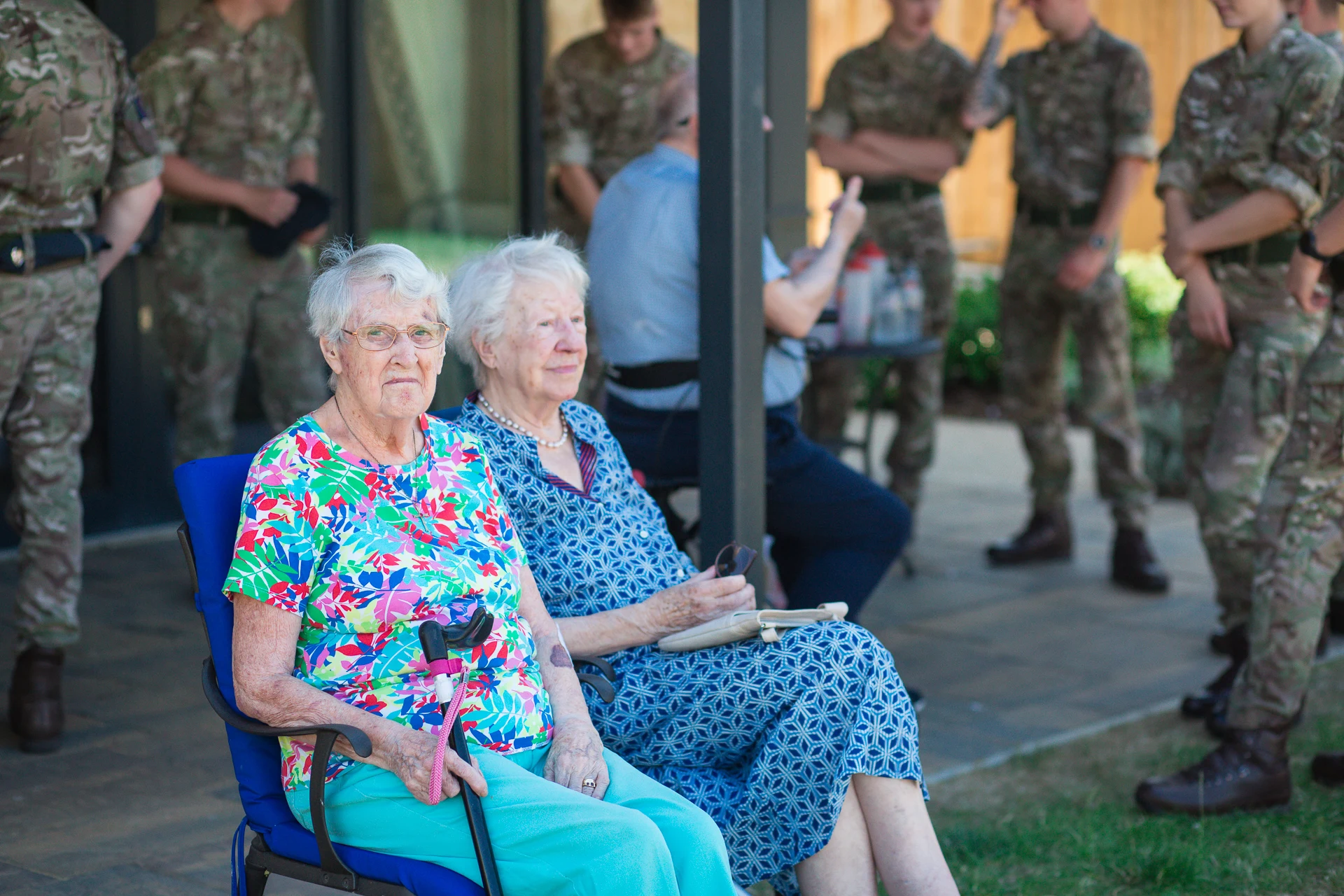
On-site GP model promises safer short stays and faster medical response for local providers
Residential care in Moreton-in-Marsh, in the Cotswolds, is increasingly shaped by one central expectation: people should be able to receive support in a place that feels calm, dignified, and genuinely safe. For older adults, people recovering from illness, and families looking for short-term help, the right setting can make a major difference to confidence, wellbeing, and continuity of care. In England, current NHS guidance confirms that respite care can range from a few hours of support to a short stay in a care home, while recent CQC guidance continues to emphasise that safe environments must be designed to meet people’s needs and reduce physical and psychological harm.
In a town like Moreton-in-Marsh, where local identity, accessibility, and community familiarity matter, residential care is not only about practical support. It is also about trust: trust in staff training, trust in the safety of the building, and trust that daily routines will be adapted to each person. The wider care system in England has also been placing more focus on safer transitions between services and stronger coordination with families and unpaid carers, which is especially relevant when someone is moving into respite care or returning home after a stay.
Why Residential Care Matters In Moreton-In-Marsh
Residential care can be an important option for people who need regular assistance with personal care, medication routines, mobility, nutrition, or supervision. In Moreton-in-Marsh and the wider Cotswolds, that support is often valued not just for the care itself, but for the reassurance of being in a stable environment with consistent staff presence. That continuity can be particularly helpful for people living with frailty, dementia, or recovery needs.
The local context also matters. Moreton-in-Marsh serves residents from the surrounding rural area, so accessibility, transport links, and nearby services can influence how families choose care. When care homes are well connected to local health and social care pathways, it becomes easier to plan appointments, manage changes in needs, and keep relatives involved in decisions. Current NHS guidance on neighbourhood health and system coordination reflects this broader shift toward more joined-up support close to home.
For families, residential care can also reduce the pressure that comes from trying to provide complex care alone. A safe and well-run home can support daily living without making the person feel institutionalised. In practice, this means balancing independence with reliable assistance, so residents can maintain choice, routine, and dignity while knowing help is always nearby.
What Respite Care Offers Families And Carers
Respite care is designed to give carers a break while ensuring the person they support continues to receive attentive care. NHS guidance explains that respite can be short or longer term, including sitting services, day support, home-based care, or a temporary stay in a care home. This flexibility makes it useful after hospital discharge, during a family emergency, or simply when a carer needs rest and recovery.
For many families in Moreton-in-Marsh, respite care is valuable because it can be planned in advance or arranged in an urgent situation. That matters in rural settings, where informal care networks are often stretched and travel can add complexity. A responsive respite option can help prevent exhaustion, reduce crisis admissions, and support a smoother return to the person’s usual routine.
Respite care is also an opportunity to assess whether a longer-term residential placement might be appropriate. A short stay can reveal how someone responds to staff interaction, meal support, mobility assistance, and overnight supervision. Used well, it helps families make better-informed decisions, and it gives the care team a chance to understand preferences, risks, and daily habits before a longer admission is considered.
How Safety In Care Is Assessed And Maintained
Safety in care is not just about avoiding accidents; it is about creating systems that anticipate risk and respond quickly when something changes. CQC guidance states that providers should detect and control risks in the care environment and ensure equipment, facilities, and technology support safe care. That includes maintenance, secure storage of equipment, and attention to both physical and psychological safety.
In residential care, this often means clear moving-and-handling practices, accessible call systems, safe medication administration, and routines for monitoring residents who may be vulnerable to falls or confusion. HSE guidance also stresses sensible risk assessment in care settings, recognising that people have the right to support that is safe while still respecting freedom and dignity. Good safety practice therefore avoids over-restriction and focuses instead on proportionate controls.
Recent guidance has also highlighted the importance of safe transitions between services. If a resident comes from hospital, home care, or another provider, the receiving service should understand the plan, the practical arrangements, and any delegated healthcare duties. That joined-up approach is especially important for respite stays, where a person may arrive with a short notice and a complex mix of needs.
Designing A Safe Environment For Residents
A safe environment begins with the layout of the building itself. Wide corridors, clear signage, good lighting, non-slip flooring, accessible bathrooms, and uncluttered communal areas all help reduce risk. CQC’s safe-environment expectations emphasise that care settings should be designed around the needs of the people using them, with premises and equipment consistently maintained.
Safety also includes environmental details that are easy to overlook. Temperature control, noise levels, secure entry systems, and the safe management of laundry and cleaning products all affect whether residents feel comfortable and protected. Local authority and HSE guidance for residential care homes similarly points to the importance of hygiene, electrical safety, and routine testing of systems and equipment.
In more person-centred care homes, the environment is shaped to feel homely rather than clinical. That can include familiar furniture, private spaces for family visits, and quiet areas for rest or reflection. A genuinely safe environment therefore supports both wellbeing and safety: it reduces hazards without removing the warmth, choice, and comfort that residents need to settle in.
Staff Training, Supervision, And Confidence
Even the best-designed building cannot deliver safe care without skilled staff. Training is essential in recognising falls risk, responding to changes in behaviour, handling medication safely, and supporting people with cognitive impairment or communication needs. Care environments work best when staff know not only what to do, but why each safety step matters.
Supervision and team consistency are equally important. Residents often feel safer when the same carers understand their routines, preferences, and triggers for distress. This is especially true in respite care, where staff may need to learn a person’s needs quickly and provide reassurance from the moment they arrive.
Effective staffing is also about communication. Handover notes, care plans, and incident reviews should be clear and up to date, especially when a person’s condition changes. The broader direction of NHS and social care policy in 2025/26 has continued to stress better information sharing and continuity across services, which supports safer care at every stage of the journey.
Supporting Independence Without Compromising Safety
One of the most important principles in residential care is finding the right balance between independence and protection. People should be encouraged to make choices, remain active, and keep routines that matter to them, while staff manage risks in a proportionate way. HSE and CQC guidance both support this approach, warning against risk elimination that can unnecessarily limit quality of life.
In practical terms, that may mean helping someone walk safely rather than discouraging movement, supporting them to wash independently with assistance nearby, or adapting meals and seating rather than taking over completely. The safest care is often the care that respects the person’s abilities first and adds support only where it is needed.
This approach can be especially meaningful in respite care, where the goal is not to interrupt a person’s life but to support it temporarily. A well-run service should help the resident stay connected to personal habits, family contact, and preferred activities, so the stay feels reassuring rather than disorientating.
Choosing The Right Care Option For A Loved One
Choosing residential care or respite care starts with understanding the person’s needs today, not only their needs in the future. Families should look at mobility support, medication management, supervision levels, meals, mental health support, and whether the environment feels calm and accessible. In England, local councils can help assess needs and determine whether some respite support may be funded, provided the relevant assessment has taken place.
It is also sensible to ask how the service handles safeguarding, infection prevention, emergency response, and communication with families. A strong provider should be able to explain how they manage risks, update care plans, and coordinate with health professionals if a resident becomes unwell. CQC and HSE guidance make clear that these systems are integral to safe care, not optional extras.
For people in Moreton-in-Marsh and the surrounding Cotswolds, the best choice will usually combine professional care with a setting that feels local, welcoming, and dependable. The right match is one where the resident is safe, the family feels informed, and the care team can genuinely adapt support to the person rather than expecting the person to fit the service.
Residential care in Moreton-in-Marsh can offer much more than accommodation and supervision. When it is built around respite care, safety in care, and a truly safe environment, it becomes a practical source of relief for families and a reassuring home for residents. The most effective services are those that combine good design, skilled staff, and flexible support with a clear commitment to dignity and independence.
As care expectations continue to evolve in 2026, families are likely to value providers that can demonstrate strong risk management, thoughtful transitions, and person-centred support. In a place like Moreton-in-Marsh, that means care which feels both local and reliable, and which helps people live safely without losing the comfort of familiar routines and human connection.