

Care & Nursing Home in Gloucestershire
Dementia support: low to moderate care needs only, subject to assessment, suitability and availability. We cannot accommodate high-level or complex dementia care needs. Residential, nursing, dementia and respite care at Esmere Gardens in Moreton-in-Marsh. Understand the support, explore our all-inclusive approach and ask the questions that matter to your family. Talk to our team: 01608 692222 Time to understand the person, their routines and the support they need. Esmere Gardens is a residential and nursing care home in Moreton-in-Marsh, in the North Cotswolds. We offer residential, nursing, dementia and respite support, with permanent stays, recovery support and short-notice enquiries considered following assessment. A county-wide search can begin for many reasons: daily tasks are becoming harder, memory changes need more support, a family carer needs rest or hospital discharge has raised new questions. Explain the situation and we will help you understand the care available here. We also want to hear what matters to the person: preferred routines, important relationships, the things they enjoy and what would help them feel comfortable in a new home. Care type, length of stay, the daily experience and family travel all affect the choice. Use these questions to compare homes on the arrangements your relative actually needs. Residential and nursing care describe different kinds of help. Dementia support may sit alongside either, and a person may need several types of support together. Permanent and respite describe the length and purpose of a stay. A Gloucestershire address does not automatically mean a short family journey. A home in Moreton-in-Marsh, Gloucester or the south of the county may involve very different travel arrangements. Esmere Gardens is in northern Gloucestershire, with nearby North Cotswold communities including Stow-on-the-Wold, Chipping Campden, Bourton-on-the-Water and Blockley. If you are comparing options from Cheltenham, Gloucester or Cirencester, check the real route and how often family could visit. These towns are included here to help you plan, rather than to suggest every county location is equally close. Use the directions for your starting point and allow for current traffic, access needs and any onward travel. You can ask about more than one care need. We assess the person’s circumstances and explain suitable options, availability and arrangements. Support with personal care, everyday routines and meals, with company and daily activities close by. A permanent stay should reflect what the person can do independently, where help is needed and how they like to live. Registered nursing support alongside personal care and everyday living. Nurses are on site 24 hours a day. The team assesses clinical requirements and explains whether the home can provide the support the person needs. Support shaped around life history, communication, familiar relationships and routines. Explain what helps the person feel secure, what has changed and whether nursing, mobility or other needs also require assessment. A planned stay for a carer’s break or a temporary change in home support. Share intended dates and personal care, nursing or dementia requirements so the team can discuss assessment, the proposed stay and written fees. A supported stay after illness or surgery, with assessed daily help and agreed nursing input. Tell us about specific recovery goals and any therapy requirements; specialist rehabilitation programmes are not automatically included. If a hospital stay changes what is practical at home, ask about a possible care-home stay. Relevant information, individual assessment and suitable availability are required before a move can be agreed with the people involved. All admissions depend on assessment, suitability and availability. A short stay does not guarantee a permanent placement. Continuing care depends on the home being able to meet the person’s needs safely. A sudden change in support or proposed hospital discharge can make care feel urgent. Tell us what has happened, the support required and who is coordinating arrangements so the team can explain the assessment process. We will discuss suitable availability and information needed. An enquiry does not reserve a room or guarantee immediate or same-day admission. When comparing care home fees in Gloucestershire, request quotations for the actual room, assessed support and proposed stay. The same headline price or the words “all-inclusive” can describe different arrangements. At Esmere Gardens, our approach brings agreed care and daily living together. We explain current inclusions, exclusions, possible extra costs and terms in writing before admission. A home’s atmosphere matters alongside its services. Visit the rooms and shared spaces, then ask how daily life could reflect the person you know. Food preferences, a favourite chair, garden time, activities and quieter moments can all matter. Discuss how familiar routines and family contact could remain part of life, during a permanent or temporary stay. Photographs from Esmere Gardens, Moreton-in-Marsh, Gloucestershire. Explore life at the home. Use inspection information and recent feedback alongside your visit and the person’s care assessment. These offer different parts of the picture. The Care Quality Commission rated Esmere Gardens Good overall and across all five assessed areas. The report was published on 21 January 2026. Read it and bring any questions to your conversation with the team. Independent feedback can help you explore communication, everyday care and the atmosphere. Consider the dates and individual experiences, and ask how the home would support what matters to your relative. Care and location information checked against Esmere Gardens’ published information and its CQC profile on 19 October 2026. Confirm current services, fees and availability before agreeing arrangements. Explain the person’s current support, what has changed and whether you are planning ahead or considering a particular date. Meet the team, explore the home and check the journey for the people who expect to visit regularly. We assess suitability and explain the proposed support, availability and written terms for the stay. If arrangements are agreed, we plan around care information, familiar belongings and personal routines. The map marks Esmere Gardens on Stow Road. Use the home’s full address when planning a visit from elsewhere in Gloucestershire or further afield. Moreton-in-Marsh is at the A44 and A429 crossroads. Check live routing from your own address and allow for current traffic. Moreton-in-Marsh station is on the Cotswold Line. Check the current services and the final journey to the home; the station has a different address. Station information (new tab). On-site parking is available. Tell the team about mobility or access requirements when arranging a visit. Stow Road, Moreton-in-Marsh Loads a Google map. The directions link below also opens the route. If you are exploring care or nursing homes in Gloucestershire, we would be glad to hear your circumstances. Discuss a permanent stay, respite, recovery support or an urgent enquiry, and arrange a visit if you would like to see the home. The enquiry button opens the contact section on our main website. The team will discuss your request and confirm arrangements with you. Answers about residential, nursing, dementia and short-stay care at Esmere Gardens in Moreton-in-Marsh. Esmere Gardens is on Stow Road in Moreton-in-Marsh, Gloucestershire GL56 0DS. It is in the North Cotswolds. Use the full address to check your journey; the county name alone does not show how close the home is to your family. No. Gloucester is a city within Gloucestershire. Esmere Gardens is in Moreton-in-Marsh, in the north of the county. If you are searching for care in Gloucester itself, compare the actual journey and the person’s care needs before considering a home in a different part of Gloucestershire. The team can discuss residential, nursing, dementia and respite care, including permanent stays, planned short stays, recovery support and urgent enquiries. An assessment establishes whether suitable support can be provided. Admission also depends on availability and agreed arrangements. Residential care supports personal care, daily routines, meals and everyday living. Nursing care also includes assessed support from registered nurses. Tell the team what help the person needs and which professionals are already involved, rather than deciding on a care category alone. Registered nurses are on site at Esmere Gardens 24 hours a day. The nursing support a person requires is assessed individually, alongside other needs. Having nurses on site does not mean the home can meet every specialist clinical requirement. The home provides both dementia and nursing care. The person’s combination of needs, communication, routines, mobility and health must be assessed individually. Tell us what helps them feel secure and whether other professionals are involved so suitability can be considered. Permanent residential, nursing or dementia placements can be considered following assessment. The team will discuss the person’s wishes, care requirements, suitable availability and written fees before arrangements are agreed. You can enquire about a planned respite stay or temporary support when home arrangements change. Share the dates you are considering and any personal care, nursing or dementia needs. Assessment, availability, length of stay and fees must be agreed before confirming the stay. We may be able to offer a recovery or convalescent stay with assessed everyday care and agreed nursing support. Any specialist therapy or rehabilitation requirements need to be discussed separately. Such programmes are not automatically included in a care-home recovery stay. We can discuss a possible stay following hospital discharge if suitable support and availability can be confirmed. Tell us who is coordinating discharge, the proposed timing and the care needs identified. Relevant information, assessment and safe arrangements are required before agreeing a move. Call 01608 692222 and explain what has changed, the support required and the proposed timing. The team will discuss assessment and suitable availability. A call does not reserve a place or guarantee immediate or same-day admission. The package brings accommodation, assessed support, meals and refreshments, activities, housekeeping, laundry and dedicated private GP support together. Nursing arrangements are agreed through assessment. Request the current written quotation and agreement to understand exact inclusions, exclusions, possible extra costs and review terms. Ask for a current written quotation for the proposed room, assessed care and length of stay. When comparing Gloucestershire homes, check the services included, exclusions, possible additional costs, payment terms and annual reviews. The words all-inclusive do not mean every home offers the same package. Care is reviewed as circumstances change. Esmere Gardens states that its fee does not increase simply because assessed care needs change; annual reviews, contractual terms and identified exclusions still apply. Continuing care depends on the home being able to meet the person’s needs safely. No. Dedicated private GP support is included alongside NHS services and other professionals. Registered nurses are on site around the clock. Ask how GP appointments and medical support are arranged; this differs from a doctor being continuously on site. Check live directions from each visitor’s address to Esmere Gardens in Moreton-in-Marsh. These are different parts of Gloucestershire, so do not assume a short journey simply because the home is in the same county. Consider regular travel, access and current public transport options before deciding. Yes. Enquiries can be made from outside the county. Tell us where the person lives, why a move is being considered and who is involved. Assessment, suitable availability, care and fee arrangements and practical moving plans need to be agreed before admission. Ask whether the home can meet the person’s assessed needs, how daily routines and preferences will be supported and how relatives can stay involved. Read the current inspection information, request written fees and visit if possible. Consider the actual setting and family journey alongside care suitability.A care home in
Gloucestershire.
Here to listen.
Ready to help.
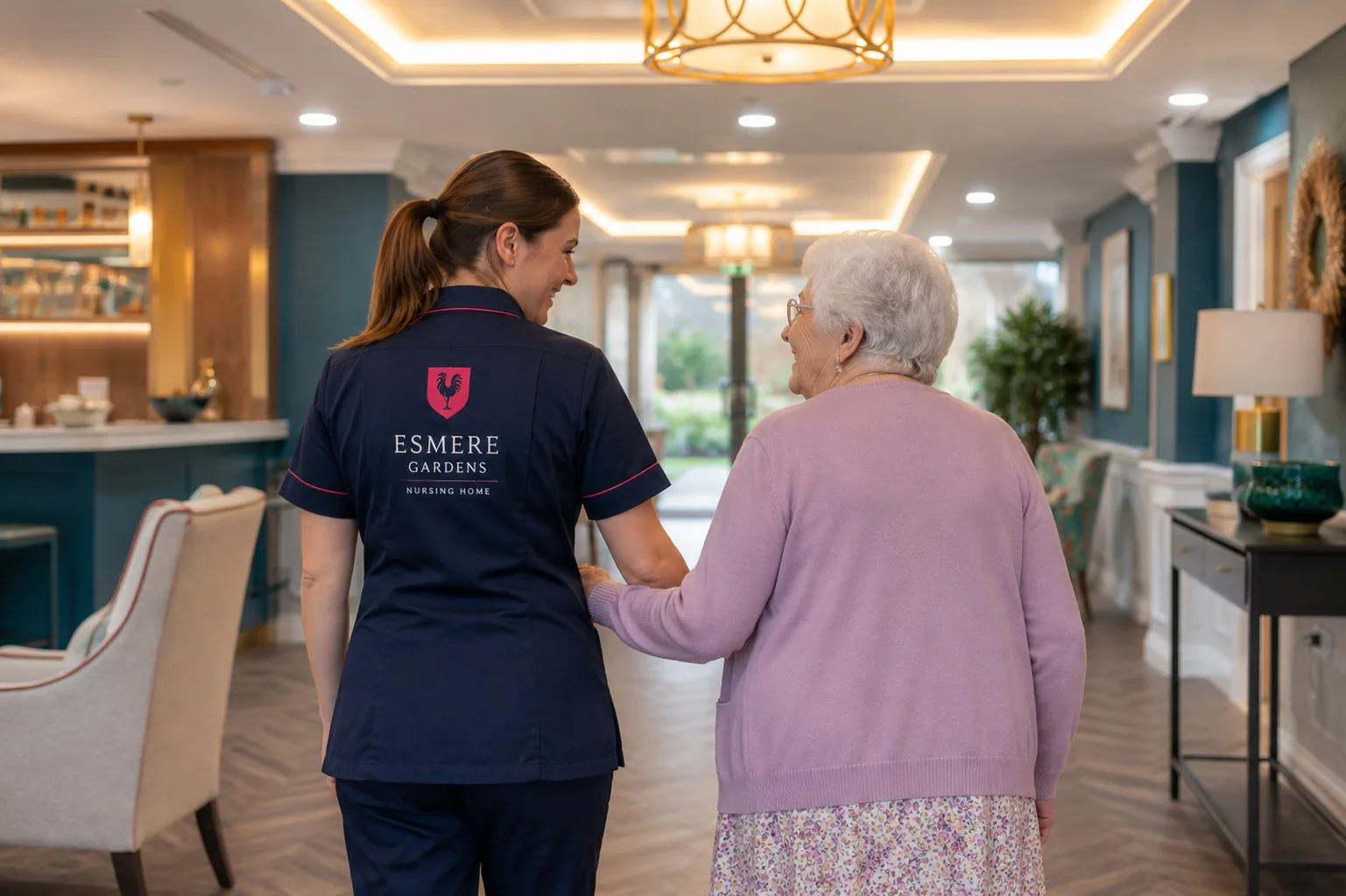
Choose with clearer information.
Move at the right pace.Start with needs.
Compare the complete picture.Understand the support being offered.
Confirm the practical arrangements.
What to establish A useful question Suitable care Can the home meet this person’s assessed needs, including any combination of nursing and dementia support? Everyday experience How will routines, food preferences, interests and relationships shape the person’s day? The written fee What is included, what may cost extra and what happens at annual reviews or if needs change? Family involvement How can we visit, share useful information and hear about changes, respecting the resident’s wishes? Our address is Moreton.
Your journey is individual.A lasting home.
Or support for a shorter stay.Residential & permanent care
Nursing care
Dementia care
Respite & short stays
Recovery & convalescent care
Care after hospital discharge
When you need
a clearer next step.Understand the support.
Understand the cost.Comfort, company
and a little choice.
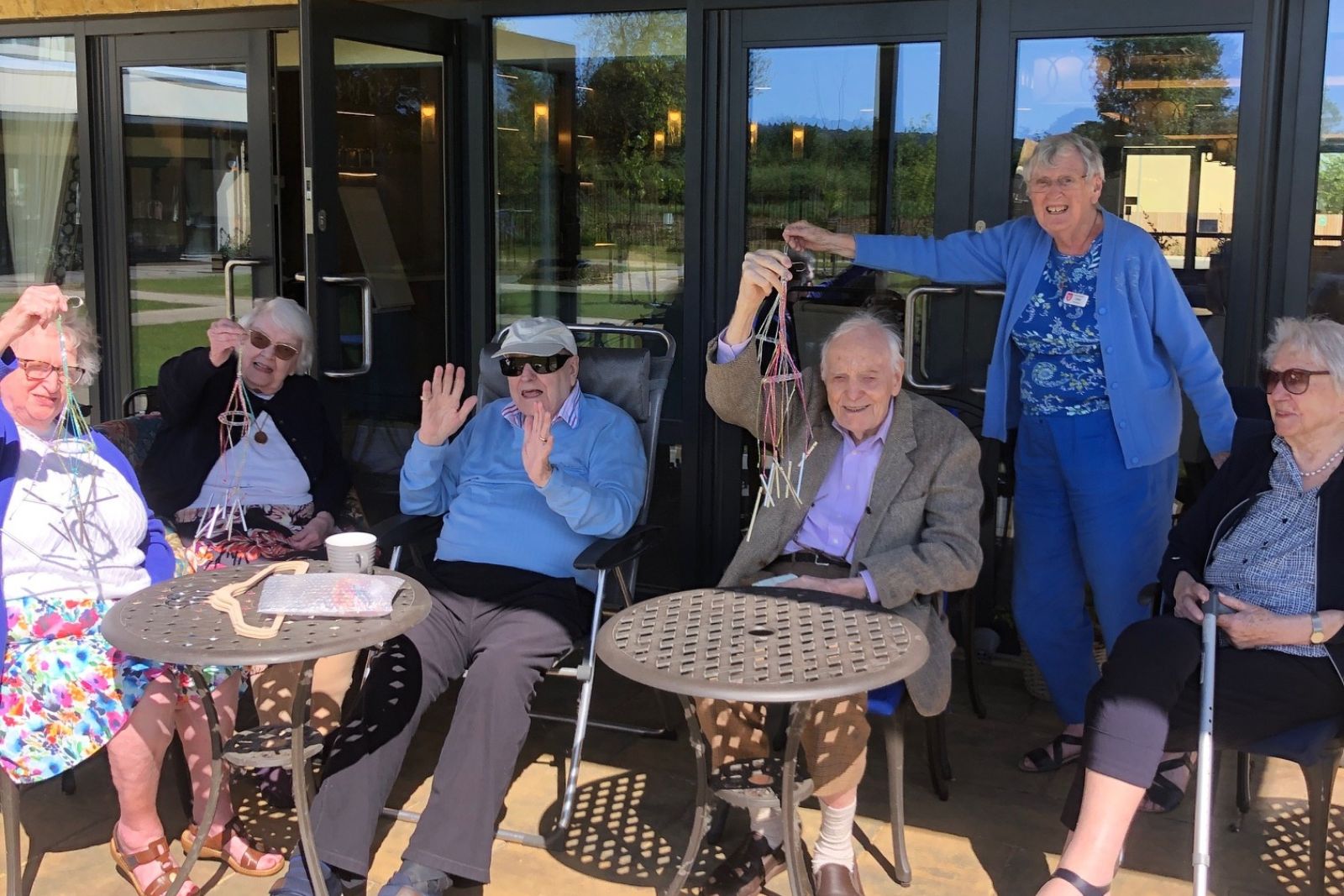

Ask about the small things.
Evidence to read.
A team to meet.CQC rated Good
Read the detail in recent reviews.
Take the next step
with clearer information.Tell us what is happening
Visit and ask questions
Understand care and fees
Plan the welcome
Find us in
Moreton-in-Marsh.
Stow Road, Moreton-in-Marsh
Gloucestershire, GL56 0DS
01608 692222Esmere Gardens
Gloucestershire GL56 0DSCome and see
what could work for you.Care, location
and the details
that matter.Where in Gloucestershire is Esmere Gardens?
Is the home in Gloucester city?
What types of care can we discuss?
How do residential care and nursing care differ?
Are registered nurses available around the clock?
Can someone receive dementia care alongside nursing support?
Can we arrange a permanent stay?
Do you offer respite care for a carer’s break?
What support is available after illness or surgery?
Can you help with care after hospital discharge?
How do we enquire about urgent care in Gloucestershire?
What does the all-inclusive care package include?
How much does care at Esmere Gardens cost?
What happens if care needs change?
Does private GP support mean a doctor is always present?
How should we plan visits from Cheltenham, Gloucester or Cirencester?
Can families enquire from outside Gloucestershire?
What should we ask before choosing a Gloucestershire care home?
Contact Us
Finding care can feel stressful, especially if you are making decisions quickly. Our team is here to listen, answer questions and help you understand your options without pressure.
If you are looking for a care home in Moreton-in-Marsh, a nursing home in the Cotswolds, dementia care in Gloucestershire or short-term respite care nearby, we would be happy to speak with you.
Families visit us from Moreton-in-Marsh, Chipping Campden, Stow-on-the-Wold, Broadway, Blockley, Evesham, Bourton-on-the-Water, Kingham, Bledington and surrounding Cotswold villages
Areas Nearby: Moreton-in-Marsh, Evesham, Chipping Campden, Broad Campden, Charingworth, Tidmington, Draycott, Blockley, Cherington, Batsford, Snowshill, Long Compton, Sezincote, Little Rollright, Evenlode, Stow-on-the-Wold, Daylesford, Upper Slaughter, Kingham, Bledington
Esmere Gardens is the fourth home in the Taylor & Taylor group.
Delivering person-centered elderly care for over two decades.

Esmere Gardens is the fourth home in the Taylor & Taylor group.
Delivering person-centered elderly care for over two decades.

Will Care Home Fees Rise If Care Needs Change?
Worried that changing care needs could mean higher fees? Understand what to check and Esmere Gardens’ care-needs fee commitment, including annual reviews and agreement terms.
All-Inclusive Care Homes: What Is Really Included?
What does all-inclusive care really cover? Compare fees, practical inclusions and questions to ask, then explore Esmere Gardens’ approach in Moreton-in-Marsh.
What Is Dementia? Types, Signs and Support Explained
Noticing changes in memory or daily life? Understand dementia types, common signs and when to seek help, with practical support for families considering care.

Luxury Care Homes: Which Amenities Really Matter?
Which luxury care-home facilities make a real difference? Compare comfort, meals, activities and personal support, then explore daily life at Esmere Gardens.

Caring for Someone with Dementia: A Family Guide
Caring for someone with dementia can bring difficult questions. Find practical everyday support, ways to seek help and a reassuring starting point for exploring care.
Residential vs Nursing Care: Types of Care Explained
Residential or nursing care? Understand the difference in plain language, what to ask and how Esmere Gardens assesses the right support in Moreton-in-Marsh.
Care Homes with a Private GP: What Families Should Ask
Considering a care home with private GP support? Understand access, nursing reassurance and questions to ask about Esmere Gardens’ all-inclusive care in Moreton-in-Marsh.

Care Homes in the North Cotswolds: A Family Guide
Looking for care in the North Cotswolds? Compare support, fees and practical visiting questions for families around Moreton-in-Marsh, Stow-on-the-Wold and Chipping Norton.

Residential or Nursing Dementia Care: What Is the Difference?
Residential or nursing dementia care? Understand the differences, assessment and 24-hour support, with clear guidance on Esmere Gardens’ low-to-moderate dementia provision.

All-Inclusive Care Home in the Cotswolds
Dementia support: low to moderate care needs only, subject to assessment, suitability and availability. We cannot accommodate high-level or complex dementia care needs. All-inclusive residential, nursing, dementia and respite care at Esmere Gardens in Moreton-in-Marsh, in the North Cotswolds. Understand the support, explore everyday life and discover whether our home could be right for you or someone you love. A question before you visit? 01608 692222 Personal support should help someone feel known, respected and comfortable. Esmere Gardens is a family-led care and nursing home on Stow Road in Moreton-in-Marsh, Gloucestershire GL56 0DS. We provide residential, nursing, dementia and respite care, with nurses on site around the clock and dedicated private GP support within our all-inclusive approach. A search across the Cotswolds can bring together very different homes, locations and care packages. Start with the person’s needs and wishes, then consider the atmosphere, written costs and the practical journey for the people who will visit. We welcome enquiries about permanent care, planned short stays and support when circumstances change. You can ask questions and visit before deciding whether the care and setting are right for your family. The Cotswolds covers a wide area. A home’s surroundings, services and visiting journey can vary considerably. Start with what matters to the person, then use these questions to make a manageable shortlist. Residential, nursing and dementia support describe different needs, while permanent and respite describe different lengths of stay. Someone may need more than one kind of support, so discuss the whole picture rather than searching for a label alone. A regional search may include local homes and places closer to relatives. We are in Moreton-in-Marsh, in the North Cotswolds. Consider the actual visiting journey and written care package alongside the setting. We welcome enquiries from families around Moreton-in-Marsh and the North Cotswolds, including the communities shown here. Our address on Stow Road is the starting point for every visit. If you already live locally, consider how existing relationships could stay part of life. If you are looking from further away, think about who will visit, where they live and the practical arrangements for moving. Describe the support needed now and what matters to the person. We will explain how assessment works and whether suitable care and availability can be offered. A permanent home with support for personal care, meals, everyday routines and companionship. Discuss how the person likes to spend their day, what they want to keep doing independently and where regular help would make a difference. For people with assessed needs requiring registered nursing input alongside everyday care. Nurses are on site 24 hours a day. We look at clinical requirements, comfort and personal preferences together before confirming suitability. Care shaped around the person’s life history, communication and familiar routines. We discuss emotional reassurance, interests and relationships alongside any nursing, mobility or other needs that must be assessed. A temporary stay for a carer’s break, a change in support at home or an opportunity to experience the home. Share proposed dates and care requirements so we can explain assessment, suitable availability, length of stay and written fees. Rest, daily assistance and agreed nursing support after illness or surgery, where assessed needs can be met. Ask about specific recovery requirements and any professional input needed; specialist therapy or rehabilitation is not automatically included. A possible next step when returning straight home after hospital may be difficult. Tell us who is coordinating discharge, the proposed timing and the care needs identified. Information, assessment and suitable arrangements are required before agreeing a move. Care is offered following individual assessment and depends on suitability and availability. A short stay does not guarantee a permanent place, and remaining at the home depends on our ability to meet the person’s needs safely. A sudden gap in support, an unexpected health change or a hospital discharge can bring a care decision forward. Call to discuss the situation and the support needed. Our team will explain assessment and suitable availability. Tell us about the proposed timing and any professionals involved. Admission depends on assessment, suitability and availability; immediate or same-day admission cannot be guaranteed. All-inclusive should mean a care package you can understand. At Esmere Gardens, accommodation, assessed support and everyday living are brought together, with dedicated private GP support included alongside NHS services and other professionals. Ask for the current written quotation for the proposed room and stay. Check exact inclusions, exclusions, possible extra charges and review terms, so you can compare like for like with other Cotswold homes. A Cotswold address is only part of the choice. Come and see the rooms, shared spaces and people, then ask how everyday life could reflect the person’s interests and preferences. Discuss favourite meals, familiar belongings, activities, garden time and the choice to enjoy company or quieter moments. Ask how family and friends can remain involved, respecting the resident’s wishes. Photographs show life at Esmere Gardens, our care home in Moreton-in-Marsh, Gloucestershire. Use independent care information and resident feedback to inform your decision. A visit and individual assessment help you understand how the home may work for your family. The Care Quality Commission published its Esmere Gardens report on 21 January 2026. The home is rated Good overall and in each of the five assessed areas. Read the report and bring any questions to your visit. Look through recent independent reviews for comments on communication, everyday care and the atmosphere. Consider the dates and detail, then ask the team about what matters most to your family. Care and location information checked against Esmere Gardens’ published information and its CQC profile on 19 October 2026. Confirm current fees, services and availability with the team before making arrangements. Explain the circumstances, support needed and whether you are considering permanent care or a shorter stay. Visit the home and meet the team. Consider the setting and how family contact and travel could work. We assess needs, discuss suitable availability and provide written information about the proposed care and fees. When a stay is agreed, we plan the welcome with the relevant people, familiar routines and care information in mind. Use the home’s full address on Stow Road, rather than a general Cotswolds destination. The map marks Esmere Gardens in Moreton-in-Marsh, Gloucestershire GL56 0DS. Moreton-in-Marsh sits at the A44 and A429 crossroads. Check live directions to the home from your starting point and allow for traffic or diversions. Moreton-in-Marsh station is on the Cotswold Line. Check current train services and plan the onward journey from the station to Stow Road; the station and home have different addresses. Station and travel information (new tab). On-site parking is available. Discuss mobility and access requirements when arranging a visit so the team can help you plan. Stow Road, Moreton-in-Marsh Loads a Google map. The directions link below also opens the route. Whether you already live in the Cotswolds, have family nearby or are exploring a move from further afield, we would be glad to hear what you are considering. Ask about care or arrange a personal visit. The enquiry button opens our main website’s contact section. The team will confirm your visit or discuss your request with you. Answers about our North Cotswolds location, all-inclusive approach, care options and planning a stay. Esmere Gardens is on Stow Road in Moreton-in-Marsh, Gloucestershire GL56 0DS, in the North Cotswolds. It is one care home in one location. Check the address and visiting journey rather than assuming that every Cotswold town is close to the home. The home provides residential, nursing, dementia and respite care. Permanent placements, planned short stays, recovery support and urgent enquiries can be discussed. Every admission depends on individual assessment, suitability and availability. Residential care provides support with personal care and daily life, alongside meals, company and everyday living. Nursing care also includes assessed input from registered nurses. Explain the person’s actual support and health needs so the team can discuss assessment and suitable care. The package brings accommodation, assessed care, meals and refreshments, activities, housekeeping, laundry and dedicated private GP support together. Nursing arrangements are agreed through assessment. The current written quotation and agreement explain the exact inclusions, exclusions, possible extra charges and review terms. Ask the team for a current written quotation for the room, assessed needs and proposed length of stay. Compare what is included and what may cost extra, along with payment arrangements and annual review terms. The team will explain the current arrangements for the stay you are considering. Esmere Gardens states that its fee does not increase simply because assessed care needs change. Annual reviews, contractual terms and identified exclusions still apply. Continuing care also depends on the home being able to meet the person’s needs safely. The home provides both dementia and nursing care, but each person’s combination of needs is assessed individually. Tell us about communication, routines, mobility, health needs and anything that helps the person feel comfortable or causes distress. Suitability must be confirmed before admission. Yes. Permanent residential, nursing and dementia stays can be considered following assessment. Care is planned around the person’s needs, preferences and relationships, and suitability is reviewed as circumstances change. You can enquire about a planned short stay for a carer’s break, a temporary change at home or an opportunity to experience the home. Explain the intended dates and care requirements. Assessment, availability, length of stay and written fees must be agreed before arrangements are confirmed. We may be able to consider a recovery stay or care following hospital discharge where assessed needs can be met and suitable availability exists. Tell us who is involved and the proposed timing. Specialist therapy or rehabilitation programmes are not automatically included in a recovery stay. Call 01608 692222 and explain what has changed, the support needed and any dates being discussed. The team will explain assessment requirements and suitable availability. An enquiry does not reserve a room or guarantee immediate or same-day admission. Yes, enquiries can be made from outside the local area. Tell us where the person currently lives, why a move is being considered and who will be involved. Assessment, suitable availability, care and fee arrangements, and the practical move all need to be agreed. Consider how visits and ongoing contact would work. Use the full Moreton-in-Marsh address and plan from each visitor’s actual starting point. Moreton-in-Marsh is at the A44 and A429 crossroads and has a railway station on the Cotswold Line. Check current routes and services, including onward travel from the station to the home. On-site parking is available. No. Dedicated private GP support is included alongside NHS services and other professionals. Registered nurses are on site around the clock. Ask how appointments and medical support are arranged; this is different from a doctor being continuously present. Start with the person’s assessed care needs and wishes, then compare daily life, staff communication, independent inspection information, written fees and the family journey. Visit the homes you are considering and ask how changes in needs would be reviewed. A setting or rating alone does not establish suitability. Call 01608 692222 or use the enquiry button to reach the contact section on the main Esmere Gardens website. The team will discuss your request and confirm arrangements. A visit gives you the chance to meet the team, explore the home and ask questions without committing to a placement.A care home
in the Cotswolds.
Care with clarity.
Life with choice.A Cotswold setting.
A personal approach to care.Choose the care first.
Then find the right setting.Compare support and everyday life.
Compare the whole arrangement.
Your priority What to check Care that fits Can the person’s current needs be met, and how are suitability and changes assessed? A meaningful daily life How will routines, choices, relationships and interests shape the person’s experience? Clear costs What is included in the written fee, what can cost extra and how are annual reviews handled? Staying connected How practical are visits, access and ongoing communication for the people who matter? A home in Moreton.
Connections across the area.Different kinds of support.
One place to explore them.Residential & permanent care
Nursing care
Dementia care
Respite & carer breaks
Recovery & convalescent care
Support after hospital
When circumstances change,
start with a conversation.One clearer package.
More room to focus on family.Life in the Cotswolds.
Shaped around the person.What would a good day look like?
Reassurance you can check.
People you can meet.Good in all five assessed areas.
Read the experiences behind the score.
Explore at your pace.
Agree a clear plan.Explain the situation
See how the home feels
Review care and costs
Agree the next step
Find us in
Moreton-in-Marsh.
Stow Road, Moreton-in-Marsh
Gloucestershire, GL56 0DS
01608 692222Esmere Gardens
Gloucestershire GL56 0DSCome and see
how care could feel.Clear answers.
Better-informed
decisions.Where in the Cotswolds is Esmere Gardens?
What kinds of care are available at Esmere Gardens?
What is the difference between residential and nursing care?
What does all-inclusive care mean at your Cotswolds home?
How much does a stay cost?
Will the fee rise automatically if care needs increase?
Can you provide dementia care alongside nursing support?
Do you offer permanent care in the Cotswolds?
Can someone arrange a short respite stay?
Can you help with recovery or hospital discharge?
What if care is needed urgently?
Can someone move here from outside the Cotswolds?
How do relatives plan visits across the Cotswolds or from further away?
Does included private GP support mean a doctor is always on site?
How should we compare Cotswold care homes before choosing?
How do we arrange a personal visit?
Contact Us
Finding care can feel stressful, especially if you are making decisions quickly. Our team is here to listen, answer questions and help you understand your options without pressure.
If you are looking for a care home in Moreton-in-Marsh, a nursing home in the Cotswolds, dementia care in Gloucestershire or short-term respite care nearby, we would be happy to speak with you.
Families visit us from Moreton-in-Marsh, Chipping Campden, Stow-on-the-Wold, Broadway, Blockley, Evesham, Bourton-on-the-Water, Kingham, Bledington and surrounding Cotswold villages
Areas Nearby: Moreton-in-Marsh, Evesham, Chipping Campden, Broad Campden, Charingworth, Tidmington, Draycott, Blockley, Cherington, Batsford, Snowshill, Long Compton, Sezincote, Little Rollright, Evenlode, Stow-on-the-Wold, Daylesford, Upper Slaughter, Kingham, Bledington
Esmere Gardens is the fourth home in the Taylor & Taylor group.
Delivering person-centered elderly care for over two decades.
Esmere Gardens is the fourth home in the Taylor & Taylor group.
Delivering person-centered elderly care for over two decades.
Will Care Home Fees Rise If Care Needs Change?
Worried that changing care needs could mean higher fees? Understand what to check and Esmere Gardens’ care-needs fee commitment, including annual reviews and agreement terms.
All-Inclusive Care Homes: What Is Really Included?
What does all-inclusive care really cover? Compare fees, practical inclusions and questions to ask, then explore Esmere Gardens’ approach in Moreton-in-Marsh.
What Is Dementia? Types, Signs and Support Explained
Noticing changes in memory or daily life? Understand dementia types, common signs and when to seek help, with practical support for families considering care.
Luxury Care Homes: Which Amenities Really Matter?
Which luxury care-home facilities make a real difference? Compare comfort, meals, activities and personal support, then explore daily life at Esmere Gardens.
Caring for Someone with Dementia: A Family Guide
Caring for someone with dementia can bring difficult questions. Find practical everyday support, ways to seek help and a reassuring starting point for exploring care.
Residential vs Nursing Care: Types of Care Explained
Residential or nursing care? Understand the difference in plain language, what to ask and how Esmere Gardens assesses the right support in Moreton-in-Marsh.
Care Homes with a Private GP: What Families Should Ask
Considering a care home with private GP support? Understand access, nursing reassurance and questions to ask about Esmere Gardens’ all-inclusive care in Moreton-in-Marsh.
Care Homes in the North Cotswolds: A Family Guide
Looking for care in the North Cotswolds? Compare support, fees and practical visiting questions for families around Moreton-in-Marsh, Stow-on-the-Wold and Chipping Norton.
Residential or Nursing Dementia Care: What Is the Difference?
Residential or nursing dementia care? Understand the differences, assessment and 24-hour support, with clear guidance on Esmere Gardens’ low-to-moderate dementia provision.
Home-Stow-on-the-Wold
Dementia support: low to moderate care needs only, subject to assessment, suitability and availability. We cannot accommodate high-level or complex dementia care needs. Residential, nursing, dementia and respite care near Stow-on-the-Wold, at Esmere Gardens in Moreton-in-Marsh. Discover all-inclusive care, nurses on site day and night, and a welcome shaped around the person you love. A question before you visit? 01608 692222 Understanding the person comes before planning the support. Esmere Gardens is a residential and nursing home on Stow Road in Moreton-in-Marsh, Gloucestershire. Families in Stow-on-the-Wold can explore permanent residential, nursing and dementia care, along with respite and assessed recovery stays. You may be planning ahead, finding that support at home is no longer enough, or responding to a hospital stay. Start by telling us what has changed and what matters to the person. We can explain the assessment process and discuss whether suitable support and availability can be offered. The care conversation also includes familiar routines, interests and relationships. Ask how the person can keep making choices, what they enjoy doing independently and how family can remain involved. When comparing care homes around Stow-on-the-Wold, think about the person’s needs and the relationships they want to keep. A useful visit explores how everyday care and family life could work together. Someone may need help with personal care, reassurance when living with dementia, registered nursing support, or a combination. Describe what a typical day and night look like before choosing a care label. The home is on Stow Road in Moreton-in-Marsh. Check the journey from each visitor’s own address, including Maugersbury, Oddington or the Slaughters where relevant. You can discuss different care needs together, rather than choosing a label first. An assessment helps establish whether suitable support and availability can be offered. Residential care provides daily support and company for someone who needs help with personal routines and everyday tasks. For a permanent move, discuss what the person manages independently, where help would make a difference and what matters to them at home. Registered nurses are on site around the clock. We assess the person’s nursing requirements alongside personal care and everyday life, and explain whether the home can provide the support needed. Please describe existing professional involvement when enquiring. Dementia care should reflect the person’s history, preferences and ways of communicating. Tell us what helps them feel comfortable, what has changed and whether nursing or mobility support is also needed. Suitability is assessed for the individual. If you are arranging a carer’s break or temporary support away from home in Stow-on-the-Wold, ask about respite availability. Share intended dates and support requirements early, so we can discuss the assessment, length of stay and written fees. A recovery stay may offer rest, help with everyday activities and assessed nursing support after illness or surgery. Explain any therapy or specialist rehabilitation needs separately. A care-home recovery stay does not automatically include a rehabilitation programme. When hospital discharge raises questions about returning straight home, we can discuss a possible stay. Tell us who is coordinating arrangements and what support has been identified. Care information, assessment and suitable availability must be agreed before a move. Care is offered following individual assessment and depends on suitability and availability. A short stay does not guarantee a permanent place, and remaining at the home depends on our ability to meet the person’s needs safely. If you need a care home urgently near Stow-on-the-Wold, call to explain what has changed, the support needed and the timing. We can discuss short-notice care or a possible stay after hospital, subject to assessment, suitability and availability. Please tell us about any hospital or community professionals involved. An enquiry does not reserve a room or guarantee immediate or same-day admission. When comparing care home fees near Stow-on-the-Wold, look beyond the weekly headline. Ask what everyday services, clinical support and personal comforts are included for the room and assessed care being offered. Esmere Gardens’ published package includes everyday care and hospitality alongside services such as hairdressing, podiatry, physiotherapy support and planned transport or appointment escorts where required. Discuss how these services are arranged for the individual, and request the current written inclusions, exclusions and review terms. The right support also makes room for choice, company and quieter moments. Use your visit to ask how life at the home could reflect the person’s interests, habits and relationships. Look around the bedrooms and shared spaces, then talk about the details: meals, activities, garden time, personal belongings and the people someone wants to see. Understanding those preferences helps us discuss a personal approach to care. Photographs show Esmere Gardens in Moreton-in-Marsh, rather than a care home in Stow-on-the-Wold. Inspection information and independent feedback help you compare homes, while an individual assessment establishes care suitability. Ask the team about the detail that matters to your relative, rather than relying on a headline score alone. The Care Quality Commission published its Esmere Gardens report on 21 January 2026. The home is rated Good overall and in each of the five assessed areas. Read the report and bring any questions to your visit. Look through recent independent reviews for comments on communication, everyday care and the atmosphere. Consider the dates and detail, then ask the team about what matters most to your family. Care and location information checked against Esmere Gardens’ published information and its CQC profile on 19 October 2026. Confirm current fees, services and availability with the team before making arrangements. Explain what daily life is like now, what has changed and whether you are considering a permanent or short-term stay. Visit the rooms and shared spaces, ask your questions and check the journey from Stow-on-the-Wold for regular family visits. We assess care needs and discuss suitable support, availability and written fees. There should be time to clarify the proposed arrangements. If a stay is agreed, the welcome is planned around care information, personal routines and familiar belongings. Use Esmere Gardens’ full address in Moreton-in-Marsh, Gloucestershire, when planning your visit. The map marks the home on Stow Road, not a care home in Stow-on-the-Wold town centre. Use live directions from your address in Stow-on-the-Wold to Esmere Gardens, Stow Road, GL56 0DS. Check current traffic and roadworks, and try the journey at a time when relatives would normally visit. If relatives live in Maugersbury, Oddington or the Slaughters, plan from their own addresses. Each visitor’s starting point and access needs may change the most practical route. On-site parking is available. Discuss mobility and access requirements when arranging a visit so the team can help you plan. Stow Road, Moreton-in-Marsh Loads a Google map. The directions link below also opens the route. Whether you are planning permanent care, arranging a carer’s break or responding to a change at home, we would be glad to listen. Meet the team, explore Esmere Gardens and consider the care, costs and setting at your own pace. The enquiry button opens our main website’s contact section. The team will confirm your visit or discuss your request with you. Practical information about care, costs, short stays and visiting Esmere Gardens in Moreton-in-Marsh. Esmere Gardens is in Moreton-in-Marsh, rather than Stow-on-the-Wold itself. Our address is Stow Road, Moreton-in-Marsh, Gloucestershire GL56 0DS. Families considering care near Stow can enquire about residential, nursing, dementia and respite support. Start with the person’s assessed needs, preferences and the kind of stay being considered. Compare care, daily life, independent inspection information and written fees. Visit shortlisted homes, and include the practical journey for relatives in the decision. Use live directions from your starting address to Esmere Gardens, Stow Road, Moreton-in-Marsh, GL56 0DS. Check current traffic and roadworks and try the journey at a time when relatives would normally visit. We do not promise a fixed travel time. Check the route from each visitor’s own address rather than assuming everyone starts in Stow town centre. Discuss parking, mobility or access needs when arranging to visit. Public transport connections and the final part of the journey should be checked separately. Yes. Permanent residential care can be considered following assessment. It provides support with personal care, everyday routines and companionship while encouraging independence where possible. Care suitability, availability and written arrangements must be agreed before admission. Nursing care includes assessed input from registered nurses alongside daily support. Explain the person’s health needs, medicines, mobility and existing professional involvement. You do not need to choose a care category before calling; an assessment helps identify suitable support. Registered nurses are on site 24 hours a day. The support needed by each resident is assessed individually. Please explain overnight or specialist clinical requirements so the team can consider whether these can be met safely. The home provides dementia and nursing care. Tell us about communication, familiar routines, mobility, health and existing professional support. Suitability depends on the individual combination of needs; offering both care types does not mean every requirement can be met. You can enquire about a planned short stay for a carer’s break or temporary support. Share preferred dates and any personal care, dementia, nursing or overnight needs. Assessment, suitable availability, length of stay and written fees must be agreed. A permanent stay may be discussed separately if suitable care and availability can be confirmed. A short stay does not reserve or guarantee a permanent place. Clarify the plan for the end of respite and any longer-term wishes before agreeing arrangements. An assessed recovery or convalescent stay may offer rest, everyday support and agreed nursing care. Explain any therapy goals or specialist rehabilitation requirements separately. Published physiotherapy support does not mean that every specialist programme is included or suitable. We can discuss a possible stay subject to assessment, suitability and availability. Tell us who is coordinating discharge, the care needs identified and the proposed timing. Relevant care information, medicines and safe arrangements must be agreed before admission. Call 01608 692222 and explain what has changed, the support required and the proposed timing. The team will discuss assessment requirements and suitable availability. An urgent enquiry does not reserve a room or guarantee immediate or same-day admission. The published package brings accommodation, assessed care, meals and drinks, activities, housekeeping, laundry and dedicated private GP support together. It also describes services including hairdressing, podiatry, physiotherapy support and planned transport or escorts. Confirm exact arrangements, inclusions, exclusions and limits in the current written quotation. Yes. The published package excludes dry cleaning and makes care or maintenance of a resident’s pet subject to prior approval. The written offer should explain any other exclusion, limit or additional charge. Discuss individual requirements before agreeing a stay. Esmere Gardens states that the fee does not increase simply because assessed care needs change. Standard annual reviews, contractual terms and identified exclusions still apply. Continuing care depends separately on the home’s ability to meet the person’s needs safely. No. Dedicated private GP support is included alongside NHS services and other professionals, but this does not mean a GP is continuously present. Registered nurses are on site around the clock. Ask the team how GP appointments and medical support are arranged. The CQC assessment published on 21 January 2026 rated Esmere Gardens Good overall and in all five assessed areas. Read the current independent profile and bring questions to your visit. The registered provider is Shipston House Ltd, and the CQC location ID is 1-18829865911. Discuss the person’s wishes for visits, contact and involvement in care discussions. Share routines, communication preferences and the people who matter to them. Ask the team how updates, visits and ongoing reviews would work for your family. Bring your questions and a note of the person’s routines, preferences and support needs if helpful. Explore the spaces, discuss suitable care and request written fees and inclusions. Ask how to share detailed care information securely with the team, and check the journey from Stow as part of your visit.A care home near Stow-on-the-Wold.
Closer to what matters.More support.
Room for the life they value.Choose the support.
Keep the connections.Ask about the person’s whole day.
Read our Stow family comparison guide ↗Plan visits from the people who matter.
What matters What to ask The right care Can the home meet the assessed personal care, dementia, nursing and mobility needs? Everyday choice How will meals, routines, interests and independence shape the day? A clear written fee What services are included, what is excluded and how do reviews work? Staying connected Is regular travel practical, and how can relatives stay involved between visits? A permanent home.
A short stay. Support that fits.Residential & permanent care
Nursing care
Dementia care
Respite & carer breaks
Recovery & convalescent care
Support after hospital
Care needed sooner?
Let us understand the situation.Care and everyday comforts.
A clearer written package.Familiar routines.
Time for the things they enjoy.Imagine a day that feels familiar.
Choose with questions.
Check with evidence.Good in all five assessed areas.
Read the experiences behind the score.
Explore the home.
Agree the care before the move.Explain the situation
See how the home feels
Review care and costs
Agree the next step
Find us in
Moreton-in-Marsh.
Stow Road, Moreton-in-Marsh
Gloucestershire, GL56 0DS
01608 692222Esmere Gardens
Gloucestershire GL56 0DSBring your questions.
See how life could feel.Your questions
about care near
Stow-on-the-Wold.Is Esmere Gardens in Stow-on-the-Wold?
How do we compare care homes near Stow-on-the-Wold?
How should we plan a visit from Stow?
What if visitors live in Maugersbury, Oddington or the Slaughters?
Do you provide permanent residential care?
When might nursing care be needed?
Are registered nurses on site at night?
Can dementia care be combined with nursing support?
Can a family carer arrange a respite break?
Could a respite stay lead to permanent care?
What recovery support is available after illness or surgery?
Can you consider care after hospital discharge?
What if we need a care home urgently near Stow?
What does the all-inclusive package cover?
Are there exclusions or services needing prior agreement?
Will the fee increase simply because assessed care needs change?
Does included private GP support mean a doctor is always at the home?
What is the home’s CQC rating?
How can family stay involved after a move?
What should we ask or bring to a first visit?
Contact Us
Finding care can feel stressful, especially if you are making decisions quickly. Our team is here to listen, answer questions and help you understand your options without pressure.
If you are looking for a care home in Moreton-in-Marsh, a nursing home in the Cotswolds, dementia care in Gloucestershire or short-term respite care nearby, we would be happy to speak with you.
Families visit us from Moreton-in-Marsh, Chipping Campden, Stow-on-the-Wold, Broadway, Blockley, Evesham, Bourton-on-the-Water, Kingham, Bledington and surrounding Cotswold villages
Areas Nearby: Moreton-in-Marsh, Evesham, Chipping Campden, Broad Campden, Charingworth, Tidmington, Draycott, Blockley, Cherington, Batsford, Snowshill, Long Compton, Sezincote, Little Rollright, Evenlode, Stow-on-the-Wold, Daylesford, Upper Slaughter, Kingham, Bledington
Esmere Gardens is the fourth home in the Taylor & Taylor group.
Delivering person-centered elderly care for over two decades.
Esmere Gardens is the fourth home in the Taylor & Taylor group.
Delivering person-centered elderly care for over two decades.
Will Care Home Fees Rise If Care Needs Change?
Worried that changing care needs could mean higher fees? Understand what to check and Esmere Gardens’ care-needs fee commitment, including annual reviews and agreement terms.
All-Inclusive Care Homes: What Is Really Included?
What does all-inclusive care really cover? Compare fees, practical inclusions and questions to ask, then explore Esmere Gardens’ approach in Moreton-in-Marsh.
What Is Dementia? Types, Signs and Support Explained
Noticing changes in memory or daily life? Understand dementia types, common signs and when to seek help, with practical support for families considering care.
Luxury Care Homes: Which Amenities Really Matter?
Which luxury care-home facilities make a real difference? Compare comfort, meals, activities and personal support, then explore daily life at Esmere Gardens.
Caring for Someone with Dementia: A Family Guide
Caring for someone with dementia can bring difficult questions. Find practical everyday support, ways to seek help and a reassuring starting point for exploring care.
Residential vs Nursing Care: Types of Care Explained
Residential or nursing care? Understand the difference in plain language, what to ask and how Esmere Gardens assesses the right support in Moreton-in-Marsh.
Care Homes with a Private GP: What Families Should Ask
Considering a care home with private GP support? Understand access, nursing reassurance and questions to ask about Esmere Gardens’ all-inclusive care in Moreton-in-Marsh.
Care Homes in the North Cotswolds: A Family Guide
Looking for care in the North Cotswolds? Compare support, fees and practical visiting questions for families around Moreton-in-Marsh, Stow-on-the-Wold and Chipping Norton.
Residential or Nursing Dementia Care: What Is the Difference?
Residential or nursing dementia care? Understand the differences, assessment and 24-hour support, with clear guidance on Esmere Gardens’ low-to-moderate dementia provision.
Comparing Care Guide
Care home vs home care.
Which support fits your life?
You may be weighing up safety, independence, money and a lifetime of memories. You may also be feeling guilty, worried or simply unsure where to begin.
This guide helps you compare the options, talk about what matters and take one manageable next step. It is for the person considering care as much as for their family.
Prefer a conversation? Talk it through with our team. No pressure to decide.
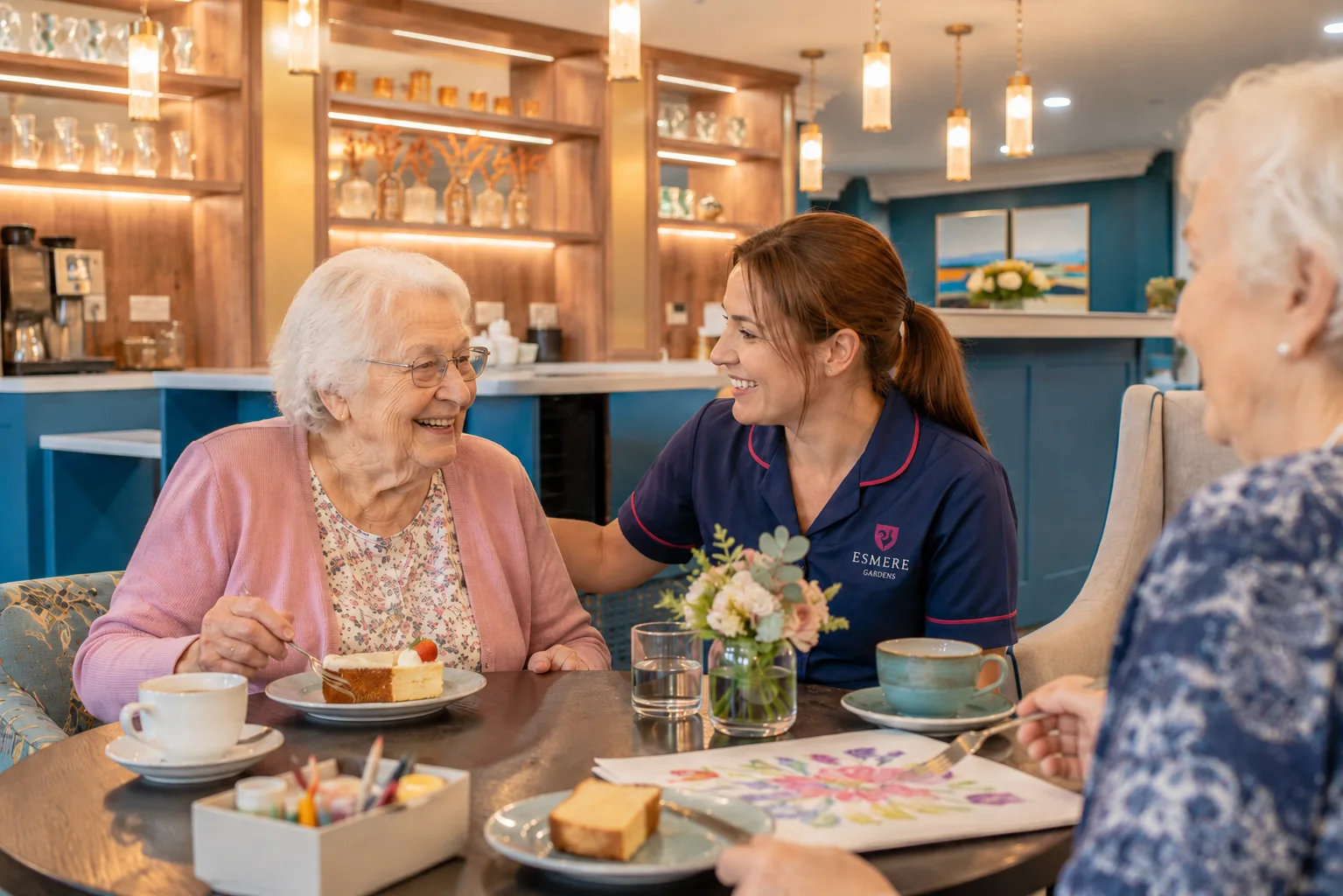
Start with the person.
Then explore the support.
Neither home care nor a care home is automatically the right answer. The better option is the one that meets the person’s needs, respects their wishes and can work reliably in everyday life.
If staying at home matters most
Explore what could make that work: care visits, adaptations, equipment, community activities or more extensive support. Ask who will cover the times when paid help is absent.
If support is needed more often
A care home may offer a more suitable arrangement when help is frequent, unpredictable or needed overnight. Check the actual staffing, nursing provision and personal approach.
If you are not ready to choose
Ask for a needs assessment, gather information and arrange an introductory visit. Exploring care does not commit someone to moving.
Separate a care decision from an immediate health concern. Sudden confusion needs urgent medical assessment; do not assume it is simply dementia getting worse. Follow NHS advice on sudden confusion . Call 999 for a medical emergency. For urgent medical advice when it is not an emergency, contact NHS 111.
There is more than
one way to receive care.
Care can change in stages. A diagnosis, someone’s age or one difficult day should not decide the setting on its own. A personal assessment helps establish what support is needed.
Visiting home care
A care worker visits at agreed times to help with daily activities. It can preserve familiar surroundings and routines. Confirm call times, continuity, what happens if a visit is late and how help is provided between calls.
Live-in care
A carer lives in the person’s home under an agreed arrangement. Ask about breaks, night duties, sickness cover and tasks requiring two people. One live-in carer does not mean one person can work continuously, day and night.
Extra-care housing
A self-contained home with care or support available through the scheme. Housing costs, care charges, staffing and overnight cover vary. Check whether support can meet current and likely future needs.
Residential care
A home providing accommodation, meals and help with daily living, with care staff present day and night. Routine registered nursing care is not the defining service, although community health professionals may visit.
Nursing care
A care home with registered nurses providing nursing support alongside daily living care. Suitability depends on the person’s assessed health needs and the home’s skills and staffing.
Respite, day support and recovery
A temporary stay, day service or recovery support may help while plans are reviewed. Ask what is locally available. Following illness or discharge, ask the care team whether reablement or rehabilitation is appropriate.
Dementia support may be provided at home, in housing with care or in residential or nursing settings, depending on individual needs and provider capability. NHS: home care · NHS: care homes · NHS: housing options .
| What matters? | Visiting care at home | Residential care home | Nursing home |
|---|---|---|---|
| Familiarity | Existing home and neighbourhood remain. | A move and adjustment to new surroundings. | A move, with nursing support in the home. |
| Help at night | Must be included or arranged separately. | Staff present; ask about night staffing and responses. | Care and registered nursing provision; check arrangements. |
| Clinical support | Check agreed care tasks and community nursing access. | Ask how GP and community services are coordinated. | Registered nursing care within the home’s assessed capabilities. |
| Company and privacy | Personal space; social contact may need planning. | Shared activities and private space; choice still matters. | Community life alongside nursing care and private space. |
| Practical responsibilities | Household bills, maintenance and care arrangements continue. | Many daily tasks included; verify exclusions. | Many daily tasks and nursing support; verify fee details. |
| Questions about change | Can calls, night cover or staffing increase? | What needs can the home continue to meet? | What specialist needs are outside its scope? |
On smaller screens, scroll the table sideways. Staff being present does not mean one-to-one supervision or an immediate response to every request.
“Will I lose
my independence?”
It is understandable to worry about losing privacy, choice or your place in the family. Moving into care should not mean losing your identity or your voice.
Independence includes making decisions and doing the things that matter, with the right help. For one person, that may mean staying at home with adaptations. For another, support nearby may make it easier to enjoy a walk, a meal with company or a favourite interest.
A move can also bring real losses and adjustment. Routines, space and relationships may change. Ask providers to explain how individual choices will work in practice, including where support or restrictions may be needed.
Your everyday choices
Ask about getting up, bedtimes, clothing, meals, privacy and choosing whether to join activities. How does the team support a preference that differs from the usual routine?
Your relationships and identity
Discuss family, friends, partners, faith, language, culture, identity and pets. Ask how visits, calls, personal belongings and community connections are supported.
Your abilities and confidence
Ask what the person can continue doing for themselves. How will staff help without taking over, review risks together and support safe access to outdoor space and activities?
Choice is a care expectation. The Care Quality Commission expects care to support people’s independence, relationships and control. Any restrictions need a lawful basis and should be proportionate to individual needs. Ask for the reasoning and review arrangements rather than accepting a blanket “we do not allow that”. Read CQC guidance on independence, choice and control .
You can love someone deeply
and still need more support.
Families may feel grief, guilt, relief, uncertainty or disagreement at the same time. The person considering care may feel frightened, angry or concerned that decisions are being made around them.
If you feel guilty
Feeling guilty does not by itself tell you which option is right. Write down what is happening, what support is needed and what you can realistically continue doing. Consider the person’s wishes alongside your own health and limits.
You can remain a partner, relative, friend or advocate while other people provide some or all of the practical care. Alzheimer’s Society discusses the emotions around care decisions .
If the idea of a care home feels frightening
Ask what the worry means to the person: privacy, money, leaving a partner, losing a pet, being forgotten or memories of an older relative’s experience. Answer the specific concern rather than dismissing it.
Care homes differ. A visit can help someone judge one setting for themselves, while leaving space to decide that it is not right for them.
Make the conversation easier to take part in
- Choose a suitable moment. Find a quiet setting when the person feels comfortable. Check hearing aids, glasses and communication needs.
- Begin with what matters. Try: “What would make an ordinary day feel better for you?” before discussing a move.
- Describe observations kindly. “You said evenings feel lonely” is more useful than “You cannot cope”.
- Explore one issue at a time. Discuss overnight help, then companionship or costs, rather than every possible future problem at once.
- Offer a small, genuine choice. “Would you prefer to speak to someone first, or visit for lunch?” Leave room to decline.
- Check the explanation. Ask, “Have I explained that clearly? What would you like to know?” Summarise what is agreed and what is still undecided.
These practical suggestions follow the principles of shared decisions and manageable information in NICE guidance . They are conversation prompts, not a method for persuading someone to move.
If relatives disagree
Agree the person’s priorities first. Separate what each family member has observed from what they fear may happen. Make the unpaid work visible: who is checking medicines, answering night calls, arranging shopping or covering missed visits?
A social worker or relevant health professional can help clarify needs. You do not have to settle the discussion by taking a family vote. The person’s wishes and the proper decision-making process remain central.
If someone says “I am not moving”
Listen and explore alternatives. An adult who has capacity for this decision can refuse a move, even when others disagree. Dementia does not automatically remove capacity; it is specific to the decision and the time.
If there is genuine doubt, seek an appropriate assessment. Where the person lacks capacity, decisions must follow the Mental Capacity Act, considering their wishes, best interests and the least restrictive options. Being “next of kin” does not itself give authority to make the decision. Read the government’s mental-capacity guidance .
What to say.
What to do next.
These are suggested words to adapt, not quotations from residents or a way to persuade someone against their wishes.
“delivering information in manageable chunks”
NICE, Shared decision making, recommendation 1.2.11In practice: discuss one concern, pause, check what was understood and agree whether to continue. Read the guidance .
| What someone might say | A response to try | A practical next step |
|---|---|---|
| “I will lose my independence.” | “Which parts of your day would you most want to keep in your control?” | Write down those choices and ask each provider how they would support them. |
| “You are trying to get rid of me.” | “I want us to find support together, with you involved. What is worrying you most?” | Discuss how visits, calls and familiar relationships would continue in either setting. |
| “I promised I would look after them.” | “What support would let us honour what matters to them and keep caring sustainably?” | List the help needed and what the family can realistically provide. |
| “I do not want strangers in my home.” | “Would meeting the same small team before starting feel more comfortable?” | Ask a home-care provider about introductions and continuity. |
| “I am not ready to decide.” | “We can gather information without making a decision today.” | Choose one enquiry, an assessment or a short introductory visit. |
Starting a conversation with a parent or partner
I want to understand what matters most to you. What would make an ordinary day easier or more enjoyable? We do not have to decide about moving today. Could we look at a few ways of getting more support, and you can tell me what feels right or wrong?
Asking the council for an assessment
I would like to request a care-needs assessment. We would like advice about the support needed across the day and night, options for remaining at home and whether other settings should be considered. Please explain the next steps. I would also like information about a separate carer's assessment.
Asking any provider for a clear proposal
Please explain how you could meet the assessed needs, including evenings, nights and backup arrangements. We would like a written price, inclusions, exclusions, fee-review rules and notice terms. Please also explain what happens if care needs or funding change.
Arranging a gentle introduction to Esmere
We are exploring support and would like to get to know Esmere Gardens without deciding about a move yet. Could we arrange lunch together, a suitable activity visit, or find out about your next fete or community event? Please explain availability, support arrangements and any charges.
What does support look like
across an ordinary day?
Tick the questions you want to discuss with a care professional. This is a planning worksheet, not a test or a score that decides whether someone needs a care home.
A short diary of what happens, when help is needed and what already works can make an assessment more useful. Include better days as well as difficult ones.
| Example concern | What to record | What to ask |
|---|---|---|
| Help is needed overnight. | When help is needed, what task is involved and what support currently responds. | “What overnight arrangement would meet this need, and what is the backup?” |
| Meals are becoming difficult. | Food access, preparation, preferences and any changes in eating or drinking. | “Would practical help, equipment or a health review be useful?” |
| A relative is doing more each week. | Time spent, night interruptions, travel and tasks that cannot safely be left. | “What can the family sustain, and what paid or community support could help?” |
| Someone misses company. | The relationships and interests they want, and barriers to taking part. | “What would meaningful contact look like at home or in another setting?” |
Look for changes.
Ask what could help.
Needs are changing
Repeated falls, difficulties with medicines, reduced eating, distress overnight or increasing difficulty with personal care are reasons to seek advice. They do not automatically mean a permanent move is necessary.
The arrangement is stretched
Extra calls, frequent emergency visits from relatives or an exhausted carer may show that the plan needs reviewing. Ask what a reliable, sustainable alternative would require.
Recovery is still unfolding
After illness or hospital, ask whether temporary support, rehabilitation or reablement could help before deciding on a permanent arrangement. Confirm the agreed plan and review date.
Ask for the right assessment. A council care-needs assessment is free and can be requested even if someone expects to pay privately. An unpaid carer can request a separate carer’s assessment. Esmere also carries out its own assessment before agreeing an admission; this does not replace council or NHS funding assessments.
NHS: requesting a needs assessment · NHS: carer’s assessments .
Understand the costs.
Keep the person in view.
A home-care hourly rate and a care-home weekly fee cover different things. Start with written quotes based on the same assessed needs. Cost matters, alongside suitability, wishes, reliability and quality of life.
For care at home, check the hours, visit lengths, number of carers, nights, weekends, minimum charges and backup arrangements. Household spending continues separately. For a care home, check exactly what is included, any extras, deposits, review rules and what happens if needs change.
If comparing live-in care, confirm the agreed working pattern and additional cover. Do not assume a live-in quote includes waking-night support or two-person assistance.
Care at home · weekly total
Care home · weekly total
Bar lengths show the two totals you entered. They do not show safety, care quality or suitability.
Use weekly figures throughout. For a monthly bill, multiply by 12 and divide by 52. Blank optional fields count as £0; missing costs will make a total incomplete. This worksheet adds the figures you enter; it is not a provider quote or financial assessment and does not calculate funding, benefits, tax or future increases.
Include the work that does not appear on a bill
Consider unpaid care hours, disrupted sleep, travel and coordination. Discuss what relatives are willing and able to do. This tool does not place a monetary value on family relationships or automatically recommend the cheaper option.
Who might contribute towards care?
Private funding
The person may pay from income and assets. Request a benefits check and independent advice where needed, especially before decisions about property or investments.
Council support
Care-needs and financial assessments determine eligibility and the person’s contribution. Property rules differ between care at home and permanent care-home placements. A preferred home and any top-up must be agreed.
NHS funding
NHS Continuing Healthcare depends on assessed health needs. NHS-funded nursing care is a contribution for eligible nursing-home residents, paid to the home. Ask how any award is reflected in the written fee agreement.
Look beyond the brochure.
See how care feels.
A welcoming building is a starting point. Notice everyday interactions and ask for examples of how the service would support the person you know.
Read the provider’s latest CQC report, its date and any areas for improvement alongside recent reviews. If something concerns you, ask about it and request a clear response. CQC: person-centred care requirements .
Start with lunch.
Or something you enjoy.
You do not have to begin with a conversation about moving. Meet people, experience the atmosphere and ask a few questions at a pace that feels comfortable.

Come for lunch together
Ask to arrange lunch with your relative or friend. Meet the team, talk about favourite foods and experience a shared mealtime without needing to decide on a move.

Join an activity session
Ask whether an upcoming activity would suit your interests. A familiar pastime can offer a comfortable way to meet people and see how involvement and choice are supported.
Visit a fête or community event
Ask about our next advertised fête or community gathering. It can be an informal introduction to the home, its people and its place in the local community.
Please arrange lunch and activity visits in advance. We will discuss available dates, accessibility, dietary requirements, support arrangements and any charges. Fêtes and community events take place on advertised dates; contact us for what is coming up.
What we can offer.
What you can check.
Our purpose-built home is on Stow Road in Moreton-in-Marsh, Gloucestershire. We offer residential, nursing and respite care, with support for low to moderate dementia care needs. Admissions depend on assessment, suitability and availability. We cannot accommodate high-level or complex dementia needs.
Care and medical support
Registered nurses are on site around the clock. Dedicated private GP support is included for permanent residents and respite guests, alongside our nursing team and NHS services.
Ask how appointments work, which needs we can support and how care is reviewed. Private GP support complements NHS care and does not replace emergency services.
Clearer fees and daily living
Our all-inclusive approach brings accommodation, agreed care and everyday services into one clearly explained package. Your fee will not increase simply because assessed care needs change.
Annual fee reviews and agreement terms still apply. We explain inclusions and exclusions before admission; continuing care depends on our ability to meet needs safely.
Purpose-built surroundings
Comfortable rooms, shared spaces, gardens, nutritious chef-prepared meals and activities support everyday life. Circadian lighting is designed to support natural sleep and waking patterns; fall-monitoring sensors help alert the team when support may be needed.
Ask how any technology is used for the individual, including consent, privacy and response arrangements. It supports people rather than replacing personal care.
Independent information
Esmere Gardens is rated Good overall and in all five assessed areas by the Care Quality Commission. The report was published on 21 January 2026.
Read the full findings and areas for improvement, and check current independent reviews. Neither a rating nor attractive surroundings replaces an assessment of individual suitability.
A personal welcome.
Time to adjust.
A move is a process, not just moving day. Planning should include the person’s preferences and relationships as well as practical and clinical information.
Before the move
Share routines, communication needs, interests, food preferences and what brings reassurance. Agree medication and equipment arrangements, belongings, transport and a named contact.
In the first days
Ask who will introduce the team and explain everyday choices. Agree how family contact and visits will work with the resident’s wishes, rather than assuming one approach suits everyone.
During the settling-in period
Agree a review date. Discuss appetite, sleep, comfort, participation and any worries. Adjustment varies; persistent distress or a change in health needs attention, not an assumption that it is inevitable.
A respite stay may help someone experience a home before a longer-term choice, subject to assessment and availability. It is not a guarantee of a permanent room or an effortless transition.
Research from the NIHR School for Social Care Research highlights individual support, clear timely information and sensitivity to people’s different circumstances during care moves.
What would help
your family next?
Agree the priority
Choose the most important unresolved issue: overnight support, personal care, loneliness, a clinical need or a carer’s ability to continue.
Find the missing answer
That might mean an assessment, a provider’s written proposal, independent funding advice or a visit with the person considering care.
Agree when to review
Decide who will make the enquiry and when you will talk again. If needs change sooner, review the plan sooner.
The worksheet has no save or submit function. Use your browser’s print option to keep a copy of your notes. Enter general planning points rather than names or detailed medical information.
Honest answers.
Room for individual circumstances.
Is a care home always safer than care at home?
No setting removes every risk. Compare the person’s needs, wishes and actual support available, including nights, staffing, response arrangements and what happens when needs change. Professional assessment helps establish suitability.
Can moving into a care home support independence?
It can, where practical support helps someone do more of what matters to them. A move also brings changes. Ask how the home will support everyday decisions, privacy, abilities, relationships and individual routines.
What if my parent does not want to discuss care?
Ask what worries them and start with a practical issue they want help with. Offer information and small choices without pressure. If they have capacity for the decision, they can decline a move. Seek professional advice where capacity or immediate safety is in question.
Does choosing professional care mean I have failed as a carer?
Needing support is not a measure of how much you care. Look at the person’s needs and your realistic limits. Your relationship and involvement can continue even if paid carers provide practical help. Ask about a carer’s assessment and support for yourself.
Does live-in care include continuous night-time help?
Not automatically. Confirm working hours, rest breaks, overnight duties and cover for repeated waking or two-person care. Request a written plan and price for the actual support needed.
Can we visit Esmere for lunch or an activity before considering a move?
Yes, contact us to arrange a suitable opportunity. We will discuss availability, interests, dietary and accessibility requirements, support arrangements and any charges. You can also ask about the next advertised fête or community event.
Can I visit first without my relative?
You can ask for an initial visit or conversation yourself, then discuss how to involve the person in a way that suits their wishes and communication needs. An initial enquiry does not commit anyone to a placement.
Will someone have to sell their home to pay for care?
Not always. Property treatment depends on the setting and individual circumstances. Ask the council about financial assessment, relevant disregards and any deferred payment options, and take independent advice before major financial decisions.
Could a short stay help us explore the options?
A respite stay may provide temporary support or an opportunity to experience a home, subject to assessment and availability. Confirm the length, fee and review arrangements. A short stay does not guarantee a permanent place.
Where is Esmere Gardens and how do we get in touch?
Esmere Gardens Nursing Home is on Stow Road, Moreton-in-Marsh, Gloucestershire GL56 0DS. Call 01608 692222 or use our contact form to ask about care, a visit, lunch, an activity or forthcoming events.
Where the guidance comes from.
The guide combines practical family planning prompts with the following independent information. The worksheets support conversations and planning; they are not clinical assessments.
- NHS: help at home from a paid carer and NICE: home-care recommendations — support, continuity and planning.
- NHS: care homes and housing options — understanding different settings.
- NICE: shared decision making — choices, individual priorities and manageable information.
- CQC: independence, choice and control and person-centred care — rights and involvement.
- Alzheimer’s Society: support with difficult care decisions — emotional experiences for people affected by dementia and their families.
- GOV.UK: checking mental capacity and the Mental Capacity Act 2005 — decision-making principles in England and Wales.
- NHS: care-needs assessments and carer’s assessments .
- NHS: care to support recovery — reablement and recovery support.
- CQC: person-centred care requirements — useful expectations when comparing services.
- NIHR School for Social Care Research: Better Care Moves for Older People — research on supporting transitions.
- NHS Continuing Healthcare , NHS-funded nursing care and MoneyHelper: long-term care — funding information.
Sources checked . General guidance does not replace individual care, medical, legal or financial advice. Contact the relevant professional for decisions about your circumstances.
One question at a time.
Let’s explore your options.
You do not need all the answers before getting in touch. Tell us what you are considering and our team will help you understand the next step.
What happens after you enquire?
Our team will contact you about your enquiry. If you would like a visit, we will discuss a suitable time and anything you would like to see or ask.
Dementia Care Near Stow-on-the-Wold
Dementia care near
Stow-on-the-Wold.
Start with the person.
Their familiar routines. The people they love. The choices that still matter. If you are exploring dementia care near Stow-on-the-Wold, we will take time to understand the person and the support they need.
Esmere Gardens is on Stow Road in Moreton-in-Marsh. Come and discuss whether our home could be the right setting.
Low to moderate dementia care needs only. Admission depends on assessment, suitability and availability. We cannot accommodate high-level or complex dementia care needs.
Tell us about a usual day.
And what has changed.
A dementia diagnosis does not tell the whole story. Explain the person’s abilities, preferences and support needs so we can discuss assessment honestly, before any placement is agreed.
Everyday support
Describe personal care, meals, medicines, mobility and overnight needs. Include the help already provided at home and any health or care professionals involved.
Comfort and communication
Share preferred ways of communicating, familiar routines, favourite interests and what helps the person feel at ease. Explain any changes or risks that concern you.
The person’s voice
Tell us how the person feels about a possible move and how they would like to take part. Care planning should respect their wishes and appropriate consent or legal arrangements.
For our full approach and care scope, read the main dementia care guide. Our guide to dementia and changing care needs can help you prepare questions.
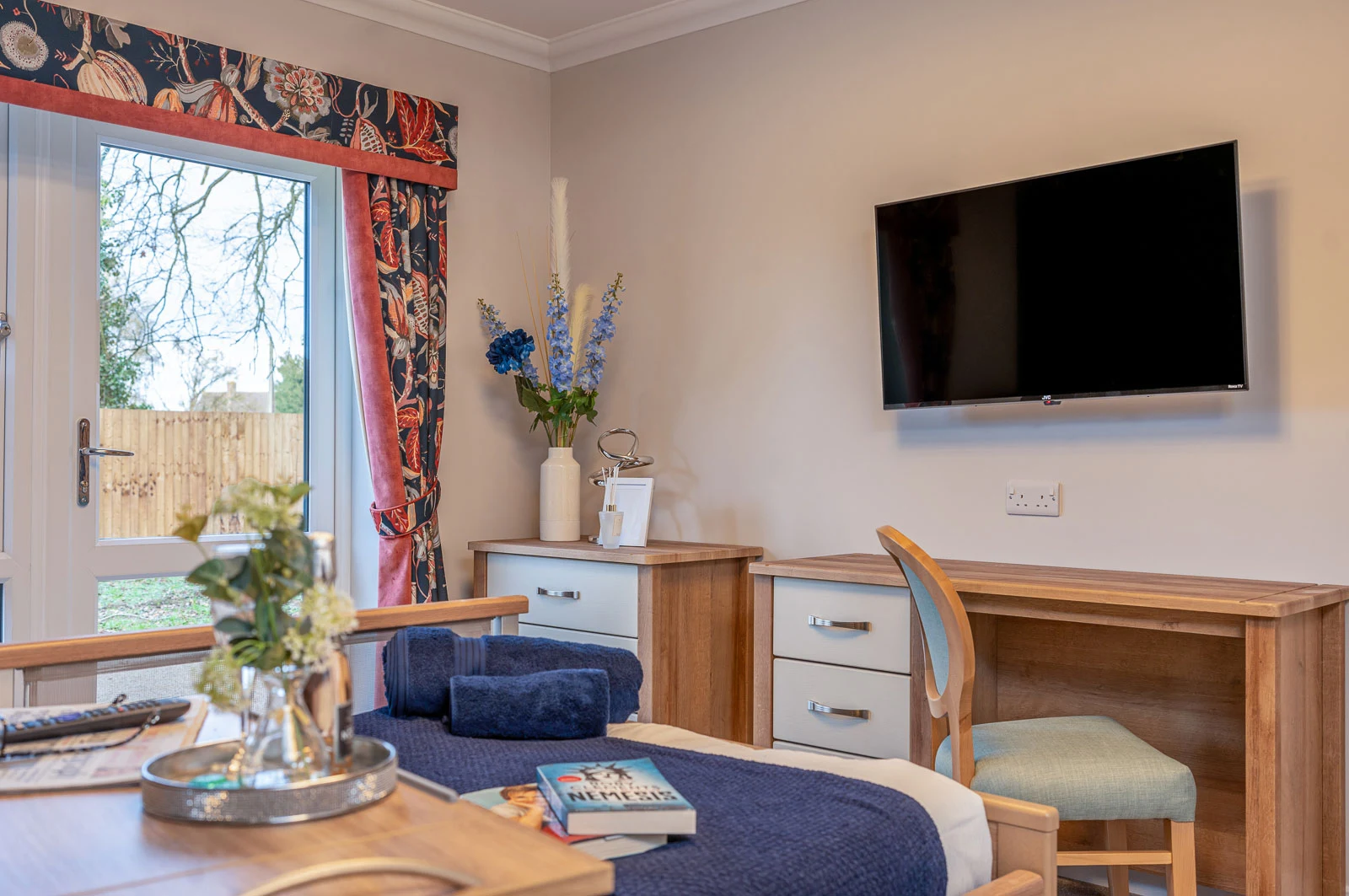
More than a life story.
A life still being lived.
Ask how preferred meals, favourite music, personal belongings and quieter moments could fit daily life. Support should recognise what the person enjoys and can still do.
Relatives can offer valuable knowledge, with the person’s agreement or appropriate legal authority. Explain the small details that may not appear in a care summary: a familiar phrase, an important friendship or how someone likes their morning to begin.
Explore life at Esmere Gardens and bring our questions for viewing a dementia care home.
Understand the support.
Ask about its limits.
Registered nurses are on site around the clock. We can consider nursing support where dementia care needs are low to moderate and assessment confirms we can meet the person’s overall needs safely.
Dedicated private GP support through Concierge Medical is included for permanent residents and respite guests alongside NHS services. Ask how consultations, visits and ongoing support are arranged.
Our nursing provision does not mean high-level or complex dementia care can be accommodated. Continuing care depends on suitability as needs change.
Clarity about the whole package
Ask for the current fee, complete inclusions, exclusions and review terms in writing.
Care-needs changes alone will not increase your fee.
Annual reviews and contractual terms still apply. The home must remain able to meet assessed needs safely.
Keep the people who matter
part of the conversation.
Our home is in Moreton-in-Marsh. When considering dementia care near Stow, check the journey from each regular visitor’s address, including Maugersbury or Oddington where relevant.
Esmere Gardens Nursing HomeStow Road, Moreton-in-Marsh
Gloucestershire GL56 0DS
01608 692222
Discuss visiting preferences, access needs and how the team can share updates with the appropriate people between visits.
For other care types, explore the wider Stow-on-the-Wold care guide.
See the setting.
Meet the people.
Check our CQC record and independent resident and family reviews. During a visit, ask how staff would learn the person’s preferences, support everyday choices and review care.
Planning a carer’s break? An assessed respite stay may be possible for low to moderate dementia needs. Discuss dates and support; a short stay does not guarantee a permanent place.
A conversation is a chance to explore suitability, with no pressure to decide.
Dementia care near Stow-on-the-Wold:
your questions.
Does Esmere Gardens offer dementia care near Stow-on-the-Wold?
Esmere Gardens is in Moreton-in-Marsh, Gloucestershire, and can consider people with low to moderate dementia care needs. Admission depends on individual assessment, suitability and availability. We cannot accommodate high-level or complex dementia care needs.
Can someone with Alzheimer’s disease be considered?
We can consider a person living with Alzheimer’s disease whose dementia care needs are low to moderate. A diagnosis alone does not determine suitability. The assessment considers the person’s overall care, communication, mobility, health and risks. We cannot accommodate high-level or complex dementia needs.
What should a family explain during a dementia care enquiry?
Describe the person’s usual day and night, personal care, medicines, mobility, communication and the support currently provided. Explain what has changed, what helps them feel comfortable and any risks or professional involvement, so the team can discuss assessment and suitability.
How are the person’s own wishes included?
The person’s wishes, routines and choices should guide care planning as far as possible. Ask how they can take part in conversations and everyday decisions. Family or representative involvement follows the person’s agreement or appropriate legal arrangements.
How can relatives in Stow-on-the-Wold remain involved?
Discuss visits and preferred communication arrangements with the resident and team. With the appropriate agreement or legal authority, relatives can share life history, preferences and what helps the person feel at ease. Check the journey to Moreton-in-Marsh for regular visits.
What if the person also needs nursing care?
Registered nurses are on site around the clock. Nursing support may be considered where dementia care needs are low to moderate and an assessment confirms the home can safely meet the person’s overall needs. The presence of nurses does not mean high-level or complex dementia needs can be accommodated.
Can a person with dementia have a respite stay?
A respite stay may be possible for someone with low to moderate dementia care needs, subject to assessment, suitability and room availability. Discuss intended dates, familiar routines and the support needed. A respite stay does not guarantee a permanent placement.
What does the all-inclusive dementia care package include?
The proposed package brings accommodation, personal care, meals and regular services together, with dedicated private GP support through Concierge Medical for permanent residents and respite guests alongside NHS services. Ask for the current fee, full inclusions, exclusions and review terms in writing.
What happens if dementia care needs increase?
Care is reviewed as needs change. Continuing care depends on whether Esmere Gardens can meet the person’s assessed needs safely. We cannot accommodate high-level or complex dementia needs. Care-needs changes alone do not increase the fee, but annual reviews and contractual terms still apply.
How do I arrange a dementia care visit near Stow-on-the-Wold?
Call 01608 692222 or use the enquiry form to discuss the person’s needs and a possible visit. Esmere Gardens is on Stow Road, Moreton-in-Marsh, Gloucestershire GL56 0DS. Meet the team, explore the home and ask about suitability before making arrangements.
Let’s talk about
what matters to you.
You do not need all the answers before getting in touch. Tell us what you are considering and our team will help you understand the next step.
What happens after you enquire?
Our team will contact you about your enquiry. If you would like a visit, we will discuss a suitable time and anything you would like to see or ask.
Dementia Care Near Evesham
Dementia care
near Evesham.
Make room for what matters.
If someone you love needs more support, you can begin with a conversation. Explore dementia care near Evesham that starts with the person’s wishes, familiar routines and day-to-day needs.
Esmere Gardens is in Moreton-in-Marsh, Gloucestershire. We will listen, explain the assessment process and discuss whether our home could offer suitable support.
Low to moderate dementia care needs only. Admission depends on assessment, suitability and availability. We cannot accommodate high-level or complex dementia care needs.
A clearer picture of care.
Before you plan a move.
For a family arranging support from Evesham, a useful first step is to describe daily life as it is now. This helps us discuss the right assessment and the information needed before confirming a stay.
What support is needed?
Outline personal care, medicines, mobility and day and night routines. Tell us about current professional involvement and the help already provided by family or carers.
What helps the person?
Explain how they prefer to communicate, what brings enjoyment and what helps when they feel unsettled. Include changes and risks as well as strengths and interests.
Who should take part?
Keep the person involved in the ways they prefer. Discuss who they want alongside them and any appropriate consent or legal arrangements for sharing information.
For our full approach and care scope, read the main dementia care guide. Our guide to dementia and changing care needs can help you prepare questions.
Familiar details.
A more personal welcome.
Before a move, talk about the details you would want a new care team to know: a preferred breakfast, a valued interest, a favourite piece of music or the way a person likes to be greeted.
Ask how these preferences would shape care and how the person can continue to make everyday choices. Family knowledge can help, with the person’s agreement or appropriate legal authority, alongside assessment of the support needed.
Explore life at Esmere Gardens and bring our questions for viewing a dementia care home.
Understand the support.
Ask about its limits.
Registered nurses are on site around the clock. We can consider nursing support where dementia care needs are low to moderate and assessment confirms we can meet the person’s overall needs safely.
Dedicated private GP support through Concierge Medical is included for permanent residents and respite guests alongside NHS services. Ask how consultations, visits and ongoing support are arranged.
Our nursing provision does not mean high-level or complex dementia care can be accommodated. Continuing care depends on suitability as needs change.
Clarity about the whole package
Ask for the current fee, complete inclusions, exclusions and review terms in writing.
Care-needs changes alone will not increase your fee.
Annual reviews and contractual terms still apply. The home must remain able to meet assessed needs safely.
Plan the visits.
Keep the connections.
Our home is in Moreton-in-Marsh, rather than Evesham itself. For relatives in Evesham, Badsey or Offenham, check the actual journey to Stow Road and think about how visits would fit your usual week.
Esmere Gardens Nursing HomeStow Road, Moreton-in-Marsh
Gloucestershire GL56 0DS
01608 692222
Consider the people who will visit most often and ask about access needs before arriving. Agree how the team can keep the appropriate people informed between visits, with the resident’s wishes in mind.
For other care types, explore the wider Evesham care guide.
Come with your questions.
See what feels right.
Check our CQC record and independent resident and family reviews. During a visit, ask how staff would learn the person’s preferences, support everyday choices and review care.
Planning a carer’s break? An assessed respite stay may be possible for low to moderate dementia needs. Discuss dates and support; a short stay does not guarantee a permanent place.
A conversation is a chance to explore suitability, with no pressure to decide.
Dementia care near Evesham:
your questions.
Is Esmere Gardens a dementia care home in Evesham?
Esmere Gardens is in Moreton-in-Marsh, Gloucestershire, rather than Evesham itself. We can consider people with low to moderate dementia care needs, subject to assessment, suitability and availability. We cannot accommodate high-level or complex dementia care needs.
Can someone living in Evesham enquire about dementia care?
Yes. Families in Evesham and the surrounding area can contact the team to discuss the person’s needs and whether Esmere Gardens may be suitable. The enquiry should cover everyday support, health, mobility, communication, routines and any risks before a stay is agreed.
What information helps with a dementia care assessment?
Describe a usual day and night, medicines, personal care, mobility, communication and current professional involvement. Explain what has changed and what helps the person feel comfortable. A diagnosis alone does not establish whether the home can meet the person’s needs safely.
Can someone with Alzheimer’s disease be considered?
We can consider a person living with Alzheimer’s disease whose dementia care needs are low to moderate. Individual assessment considers the person’s overall needs and risks. High-level or complex dementia care needs cannot be accommodated.
How can we make planning a move more personal?
Include the person’s wishes and choices as far as possible. Share preferred routines, interests, familiar belongings and ways of communicating. Relatives or representatives can contribute with the person’s agreement or appropriate legal authority.
How can family in the Vale of Evesham stay involved?
Discuss visits, communication preferences and who should receive updates with the appropriate agreement or legal authority. Check the journey from each regular visitor’s address, including Badsey or Offenham where relevant, to the home in Moreton-in-Marsh.
Can a respite stay support a family carer’s break?
A respite stay may be possible for someone with low to moderate dementia care needs, subject to assessment, suitability and availability. Explain the dates, routines and support needed. A short stay does not guarantee a permanent place.
Is nursing and private GP support available?
Registered nurses are on site around the clock. Nursing support can be considered where dementia needs are low to moderate and assessment confirms overall suitability. Dedicated private GP support through Concierge Medical is included for permanent residents and respite guests alongside NHS services. Ask how consultations and visits are arranged.
What happens to care and fees if needs change?
Continuing care depends on the home’s ability to meet assessed needs safely. We cannot accommodate high-level or complex dementia needs. Care-needs changes alone do not increase your fee, but annual reviews and contractual terms still apply. Request the full written package, inclusions and exclusions.
How can we visit before deciding about dementia care near Evesham?
Call 01608 692222 or use the enquiry form to discuss the person’s needs and arrange a possible visit. The home is on Stow Road, Moreton-in-Marsh, Gloucestershire GL56 0DS. Meet the team, explore suitable accommodation and ask about assessment before making arrangements.
Let’s talk about
what matters to you.
You do not need all the answers before getting in touch. Tell us what you are considering and our team will help you understand the next step.
What happens after you enquire?
Our team will contact you about your enquiry. If you would like a visit, we will discuss a suitable time and anything you would like to see or ask.
Dementia Care in the Cotswolds
Dementia care
in the Cotswolds.
The person comes first.
Looking for the right support can raise more questions than answers. Start with what matters to the person: their familiar routines, the company they enjoy and the help they need.
At Esmere Gardens in Moreton-in-Marsh, we will listen, explain our approach and discuss whether our home could be the right fit for you or someone you love.
Low to moderate dementia care needs only. Admission depends on assessment, suitability and availability. We cannot accommodate high-level or complex dementia care needs.
Start with suitability.
Then picture everyday life.
A beautiful setting is one part of choosing a home. Before comparing rooms and surroundings, ask each team which needs they can support safely and what would happen if those needs changed.
The right care scope
Describe current support, medicines, mobility, communication and day and night routines. Ask what assessment is needed before a place can be agreed.
A life that feels personal
Ask how the person’s preferences would shape meals, interests, personal care and social time. Keep their own voice and choices in the conversation.
Connections that work
Think about regular visitors and the actual journey to the home. Agree how appropriate relatives can stay involved between visits.
Explore our main dementia care guide for the full care approach, or prepare with questions to ask when viewing a dementia care home.
Your routines. Your choices.
Support when you need it.
When you visit, look beyond the room itself. Could this feel like a place where the person can enjoy company, spend quiet time and be known for who they are?
Tell us about favourite foods, valued interests, preferred ways of communicating and the small details that help a day feel familiar. We can discuss how these could inform a suitable care plan.
Whether you are exploring care for yourself or helping someone close to you, your questions and preferences matter. Family knowledge can support planning, with the person’s agreement or appropriate legal authority.
Know what is included.
Understand the limits.
Registered nurses are on site 24 hours a day. We can consider nursing support where dementia care needs are low to moderate and assessment confirms we can meet the person’s overall needs safely.
Dedicated private GP support through Concierge Medical is included for permanent residents and respite guests alongside NHS services. Ask how consultations, visits and ongoing support are arranged.
Our nursing provision does not mean high-level or complex dementia needs can be accommodated. Continuing care depends on suitability as needs change.
Compare the whole package
Request the current fee, complete inclusions, exclusions and review terms in writing.
Care-needs changes alone will not increase your fee.
Annual reviews and contractual terms still apply. The home must remain able to meet assessed needs safely.
Ask about care and feesThe Cotswolds is a wide area.
Make the journey personal.
Our one home is in Moreton-in-Marsh, in the North Cotswolds. If you are comparing options from Stow-on-the-Wold, Chipping Campden, Blockley or Bourton-on-the-Water, check the actual route and how regular visits would fit your week.
Being in the same region does not always mean a journey will suit everyone. Consider the people who will visit most often, their transport and any access needs before making a decision.
Esmere Gardens Nursing HomeStow Road, Moreton-in-Marsh
Gloucestershire GL56 0DS
Compare other care options in our wider Cotswolds care guide.
See the home.
Bring the questions that matter.
Meet the team, explore the spaces that matter to you and discuss what a suitable stay could involve. A conversation can help you compare your options without committing to a move.
Read our CQC record and independent resident and family reviews. The Alzheimer’s Society guide to choosing a care home offers further questions to consider.
For a planned carer’s break, an assessed respite stay may be possible for low to moderate dementia needs, subject to suitability and availability. A short stay does not guarantee a permanent place.
Dementia care in the Cotswolds:
your questions.
Where in the Cotswolds is Esmere Gardens?
Esmere Gardens is one care home on Stow Road, Moreton-in-Marsh, Gloucestershire GL56 0DS, in the North Cotswolds. We do not have separate homes in the surrounding towns. Check the journey from the people and places important to you before deciding.
What level of dementia care can Esmere Gardens consider?
We can consider people with low to moderate dementia care needs only. Admission depends on assessment, suitability and availability. We cannot accommodate high-level or complex dementia care needs. A diagnosis alone does not establish whether the home is suitable.
How should we compare dementia care homes across the Cotswolds?
Begin with the level of support each home can safely provide. Then compare everyday choice, staff communication, personal space, meals, activities, visiting journeys and written fee terms. Read inspection information and independent reviews, then ask how the home would meet the person’s individual needs.
Can someone with Alzheimer’s disease enquire?
Yes. Someone living with Alzheimer’s disease can be considered where dementia care needs are low to moderate and assessment confirms suitability. Tell the team about personal care, health, communication, mobility, routines and risks. High-level or complex dementia needs cannot be accommodated.
How can a resident’s choices stay central to a move?
Involve the person in the ways they prefer and ask what matters most to them. Share routines, interests, food preferences and communication needs with their agreement or appropriate legal authority. Ask how these details would inform their care plan and everyday choices.
Is nursing support available alongside dementia care?
Registered nurses are on site 24 hours a day. Nursing support can be considered where dementia care needs are low to moderate and assessment confirms the home can safely meet the person’s overall needs. Nursing provision does not extend the home’s dementia care scope to high-level or complex needs.
Is dedicated private GP support part of the package?
Dedicated private GP support through Concierge Medical is included for permanent residents and respite guests alongside NHS services. Ask the team how consultations, visits and ongoing support are arranged and what the agreed package covers. It does not replace emergency services.
Can we enquire about a short dementia respite stay?
A respite stay may be possible for low to moderate dementia care needs, subject to assessment, suitability and room availability. Discuss the proposed dates and support needed before making plans. A short stay does not guarantee a permanent place.
Will the fee rise if assessed care needs change?
Care-needs changes alone will not increase the fee. Annual reviews and contractual terms still apply, and the home must remain able to meet assessed needs safely. Ask for the current fee, inclusions, exclusions and review terms in writing before deciding.
What should we ask when arranging a visit?
Discuss care suitability first, then ask to see the spaces that matter to the person and meet the team. Bring questions about routines, communication, food, activities, family involvement and fees. Call 01608 692222 or use the enquiry form to discuss a visit and current availability.
Let’s talk about
what matters to you.
You do not need all the answers before getting in touch. Tell us what you are considering and our team will help you understand the next step.
What happens after you enquire?
Our team will contact you about your enquiry. If you would like a visit, we will discuss a suitable time and anything you would like to see or ask.
Dementia Care in Gloucestershire
Dementia care
in Gloucestershire.
A clearer next step.
You do not need to have every answer before asking for help. If you are considering care for yourself or someone close to you, begin with a conversation about daily life and the support that would make a difference.
Our home in Moreton-in-Marsh offers a place to explore dementia care, personal preferences and the next steps towards an assessment.
Low to moderate dementia care needs only. Admission depends on assessment, suitability and availability. We cannot accommodate high-level or complex dementia care needs.
Start with the support needed.
Find the right fit.
Searching for a dementia care home in Gloucestershire can bring together very different services. The useful question is which team can safely support this person’s overall needs, now and as they change.
Everyday support
Discuss help with personal care, meals and daily routines. Ask how dementia support would sit alongside residential care while preserving choice and independence.
Assessed nursing needs
Ask whether the person needs registered nursing support as well as everyday care. Our nursing provision does not extend our dementia scope beyond low to moderate needs.
A shorter stay
A planned respite stay may support a carer’s break, subject to assessment, suitability and availability. Discuss dates before making arrangements.
Read our main dementia care guide for the full approach and care limits. A diagnosis alone does not determine which support is suitable.
Keep their voice.
Know their everyday world.
Comfort is personal. It may be a quiet place to read, a familiar breakfast, a favourite interest or time with people who matter. These details belong in the care conversation alongside practical support.
Tell us what the person enjoys, how they prefer to communicate and the routines they value. Ask how those preferences could shape their care plan, mealtimes and opportunities for company or privacy.
If you are considering care for yourself, we welcome your questions directly. Relatives can contribute with your agreement or appropriate legal authority.
Explore life at Esmere Gardens and our values in everyday care.
Bring the whole picture.
We will explain the next step.
When you enquire, describe personal care, mobility, medicines, communication, health and day and night routines. Include any recent changes, professional involvement and the support already provided.
Registered nurses are on site 24 hours a day. We can consider nursing support where dementia needs are low to moderate and assessment confirms we can meet the person’s overall needs safely.
Dedicated private GP support through Concierge Medical is included for permanent residents and respite guests alongside NHS services. Ask how consultations, visits and ongoing support are arranged.
We cannot accommodate high-level or complex dementia care needs. Continuing care depends on suitability as needs change.
Clear care. Clear fee terms.
Ask what the agreed package includes and request the current fee, exclusions and review terms in writing.
Care-needs changes alone will not increase your fee.
Annual reviews and contractual terms still apply. The home must remain able to meet assessed needs safely.
Ask about suitability and feesFind us in Moreton-in-Marsh.
Plan for time together.
Esmere Gardens is on Stow Road in Moreton-in-Marsh, in the North Cotswolds. We do not have separate branches across Gloucestershire.
For families comparing options from Cheltenham, Gloucester or elsewhere in the county, check the actual journey to our home. Think about regular visitors, transport, access needs and how contact would work between visits.
Esmere Gardens Nursing HomeStow Road, Moreton-in-Marsh
Gloucestershire GL56 0DS
For other care types, explore our Gloucestershire care home guide.
Come with questions.
Leave with a clearer picture.
A visit is a chance to meet the team, see the home and talk about the person’s needs. Ask how care is reviewed, how preferences are recorded and how appropriate relatives are kept informed.
Check our CQC record and independent resident and family reviews. Our dementia care home viewing questions can help you prepare.
For independent background, read the Alzheimer’s Society guide to choosing a care home.
No pressure to decide. We will discuss suitability and current availability first.
Dementia care in Gloucestershire:
your questions.
Does Esmere Gardens provide dementia care in Gloucestershire?
Yes. Esmere Gardens is one care home on Stow Road in Moreton-in-Marsh, Gloucestershire GL56 0DS. We can consider people with low to moderate dementia care needs only, subject to assessment, suitability and availability. We cannot accommodate high-level or complex dementia care needs.
Which information helps the team assess a dementia care enquiry?
Describe current personal care, mobility, medicines, health, communication, daily and night-time routines, and any risks or recent changes. Share what the person enjoys and what helps them feel comfortable. The team will explain the further information and assessment needed before confirming suitability.
How do we know whether residential or nursing support is needed?
Discuss the person’s overall needs with the care team and relevant professionals. Residential support concerns everyday living and personal care; nursing support also involves assessed needs requiring registered nurses. At Esmere Gardens, either option for someone living with dementia remains limited to low to moderate dementia care needs and individual suitability.
Can someone with Alzheimer’s disease be considered?
A person living with Alzheimer’s disease may be considered where dementia care needs are low to moderate. A diagnosis alone does not establish suitability. Assessment considers the person’s overall needs and whether the home can meet them safely. High-level or complex dementia care cannot be accommodated.
Can a person considering care for themselves take part in planning?
Yes. Their wishes, preferences and choices should be central to the discussion. Tell the team how they would like to participate and who they want involved. Information sharing with relatives or representatives should reflect the person’s agreement or appropriate legal authority.
Does having nurses on site mean all dementia needs can be supported?
No. Registered nurses are on site 24 hours a day, but this does not extend Esmere Gardens’ dementia care scope. Dementia care needs must be low to moderate, and assessment must confirm that overall needs can be met safely. High-level or complex dementia care cannot be accommodated.
Is private GP support included for dementia care residents?
Dedicated private GP support through Concierge Medical is included for permanent residents and respite guests alongside NHS services. Ask how consultations, visits and ongoing support are arranged within the agreed package. It does not replace urgent or emergency services.
Can we arrange dementia respite care in Gloucestershire?
A respite stay at Esmere Gardens may be possible for a person with low to moderate dementia care needs, subject to assessment, suitability and room availability. Discuss dates, routines and the support needed with the team. A respite stay does not guarantee a permanent place.
What should we clarify about fees and changing needs?
Care-needs changes alone will not increase the fee. Annual reviews and contractual terms still apply, and the home must remain able to meet assessed needs safely. Ask for the current fee, full inclusions, exclusions and review terms in writing before deciding.
Can families from elsewhere in Gloucestershire arrange a visit?
Yes. Contact the team to discuss care suitability and a visit to Moreton-in-Marsh. Check the actual journey from your home and from the people likely to visit regularly. County-wide proximity should not be assumed; consider transport, access needs and ongoing family contact.
Let’s talk about
what matters to you.
You do not need all the answers before getting in touch. Tell us what you are considering and our team will help you understand the next step.
What happens after you enquire?
Our team will contact you about your enquiry. If you would like a visit, we will discuss a suitable time and anything you would like to see or ask.
Residential Care-near-evesham
Residential care
near Evesham.
A move made around you.
If living at home is taking more effort, you can explore support before making a decision. Esmere Gardens offers residential care near Evesham, at our home in Moreton-in-Marsh, Gloucestershire.
Discover help with daily life, welcoming company and private space, while keeping your routines and choices at the heart of the conversation.
Our home is in Moreton-in-Marsh. Come and see whether the care, setting and journey feel right for you.
What would make life easier?
What would you like to keep?
When comparing residential care around Evesham, start with an ordinary day at home. Think about the tasks that are becoming difficult and the parts of life that still bring enjoyment. A useful care conversation makes room for both.
The help you need
Describe personal care, meals, medicines, mobility and overnight support. An individual assessment helps us explain whether the home is suitable.
The choices you value
Tell us about your preferred routines, favourite foods, interests and quieter moments. Receiving support should include being heard.
The people who matter
Consider family visits, friendships and communication between visits. Include the people you choose in the discussion, while keeping your own voice central.
Residential care does not require nursing care as the main need. Registered nurses are also on site around the clock. Read our full residential care guide for more about daily support and care planning.
Take it one conversation
at a time.
You do not need to organise an entire move before speaking to us. Start with what has changed, the help you are considering and when you may need it.
Before a permanent stay is agreed, we discuss assessed needs, suitable accommodation, current fees and written terms. If Esmere feels right, personal details and familiar belongings help us plan a welcome around you.
For relatives helping a parent, leave room for their questions and feelings. Our guide to talking about care without pressure offers a starting point.
A comfortable home.
A clearly explained package.
When comparing residential care fees near Evesham, ask each home for a written offer covering the same assessed support. Look at accommodation, daily care, meals, laundry, activities and the services you would use.
Our all-inclusive approach also includes dedicated private GP support through Concierge Medical for permanent residents and respite guests, alongside NHS services. Ask how access and visits are arranged.
Understand the all-inclusive package and questions about paying for care.
Ask about future changes, too
Care-needs changes alone will not increase your fee.
Annual reviews and contractual terms still apply. Continuing care depends on our ability to meet assessed needs safely.
Speak to the team for current fees, complete inclusions, exclusions and room availability.
From the Vale of Evesham
to Moreton-in-Marsh.
Esmere Gardens is on Stow Road in Moreton-in-Marsh, Gloucestershire. When comparing a home in Evesham itself with an option further into the Cotswolds, consider how regular visits would work for everyone.
Esmere Gardens Nursing HomeStow Road, Moreton-in-Marsh
Gloucestershire GL56 0DS
01608 692222
Plan from each visitor’s address, including Badsey or Offenham where relevant. Check current directions and try the journey at your usual visiting time. Ask about access needs when arranging a visit.
For nursing, respite and other options, see our wider care guide for Evesham families.
Could you picture
your day here?
Look around the home, meet the team and ask how an ordinary day would work for you. Explore daily life at Esmere and bring our care home viewing questions.
Check Esmere Gardens’ CQC record and independent resident and family reviews. Ask about the experiences and arrangements that matter to your own decision.
A conversation or visit does not commit you to a move. Admission depends on assessment, suitability and availability.
Residential care near Evesham:
what to ask.
Is Esmere Gardens a residential care home in Evesham?
Esmere Gardens is in Moreton-in-Marsh, Gloucestershire, rather than Evesham itself. It is an option for people looking for residential care near Evesham who are considering a move into the North Cotswolds. Use the full address: Stow Road, Moreton-in-Marsh, GL56 0DS.
What support does residential care provide?
Residential care combines accommodation and meals with help with personal care and everyday routines. At Esmere Gardens, discuss washing, dressing, medicines, mobility and companionship during assessment. You do not need nursing care as your main need to live here.
Can I move from my home in Evesham to Esmere Gardens?
You can enquire about a permanent residential stay from Evesham or the surrounding area. The team will assess whether Esmere Gardens can safely meet your needs and discuss suitable room availability, fees and the proposed arrangements before a move is agreed.
What should we compare when looking at residential care near Evesham?
Compare assessed care, the complete written fee, private space, daily choices and how family contact would work. Check independent inspection information and reviews. Try the actual journey to each home rather than comparing distance alone.
What happens before a permanent residential care admission?
The team discusses your care needs, routines, medicines, preferences and who you want involved. Assessment, suitability, room availability and written terms need to be agreed. If a move goes ahead, familiar belongings and personal details help the home prepare.
Can family from the Vale of Evesham keep visiting?
Family contact is an important part of residential life. Check the journey from each visitor’s address, including Badsey or Offenham where relevant, and discuss visiting and communication preferences with the team. Involvement in care planning follows the resident’s wishes or appropriate legal arrangements.
How do I find out the residential care fee?
Speak to the team for current fees and a written explanation of what is included, any exclusions and annual review terms. Care-needs changes alone do not increase your fee at Esmere Gardens. Contractual terms still apply and continuing care depends on our ability to meet assessed needs safely.
Is private GP support included in residential care?
Dedicated private GP support through Concierge Medical is included for permanent residents and respite guests alongside NHS services. Ask the team how consultations, visits and ongoing support are arranged. This does not mean a GP is physically based at the home full time.
Can residential care support someone living with dementia?
Esmere Gardens can consider low to moderate dementia care needs, subject to assessment, suitability and availability. We cannot accommodate high-level or complex dementia needs. Explain the person’s communication, routines, mobility and day-to-day support during the enquiry.
Can I arrange respite before deciding about a permanent move?
A respite stay may help you experience life at the home, subject to assessment, suitability and availability. It does not guarantee a permanent room. Ask about both options, their fees and the agreed length of any short stay.
If your needs are different, explore nursing care, respite stays or support for low to moderate dementia needs. We cannot accommodate high-level or complex dementia needs.
Let’s talk about
what matters to you.
You do not need all the answers before getting in touch. Tell us what you are considering and our team will help you understand the next step.
What happens after you enquire?
Our team will contact you about your enquiry. If you would like a visit, we will discuss a suitable time and anything you would like to see or ask.
Residential Care- Moreton-in-Marsh
Residential care in
Moreton-in-Marsh.
Start with a visit.
Considering residential care in Moreton-in-Marsh? Come to Esmere Gardens on Stow Road, meet the team and picture how an ordinary day could feel.
For yourself or someone you love, being close to familiar people matters. Explore the home, check the journey and ask what would help you feel comfortable about the next step.
Meet the team. See a bedroom. Ask your questions. No pressure to decide.
Close enough to visit.
Right for the person.
A nearby residential care home can make regular visits easier. The right choice also needs to fit the person’s care needs, routines and preferences. Use your visit to explore both.
Check the real journey
Try the route from the people who will visit most often. Think about weekday and weekend travel, transport and how a visit fits everyday life.
Notice ordinary moments
How do people greet one another? Is there space for company and quiet? Ask how meals, medicines, personal care and activities would fit your usual day.
Leave with clear answers
Ask about assessment, room availability, fees and what happens next. You can take time to talk things through with the people you choose.
Visit Esmere Gardens
in Moreton-in-Marsh.
Esmere Gardens Nursing HomeStow Road, Moreton-in-Marsh
Gloucestershire GL56 0DS
01608 692222
Our home is in Moreton-in-Marsh, in the North Cotswolds. If you are comparing residential care near Blockley, Stow-on-the-Wold, Chipping Campden or Bourton-on-the-Water, check how the journey to Stow Road would work for you.
Ask the team about access, parking and any help you may need for a visit. Explore our nearby-area and family visiting guide for wider planning.
Your own space.
A warm welcome beyond it.
Ask to see suitable accommodation and the places where people eat, spend time together and enjoy their interests. Your routines and choices belong in the conversation.
Is residential care
the right starting point?
Residential care offers help with daily life and personal care, alongside accommodation, meals and companionship. You do not need nursing care to live here. For a full explanation of support and suitability, read our residential care service guide.
All admissions depend on assessment, suitability and availability. Dementia support is limited to low to moderate care needs; we cannot accommodate high-level or complex dementia needs.
Bring your questions about fees
Care-needs changes alone will not increase your fee.
Annual reviews and contractual terms still apply, and continuing care depends on our ability to meet needs safely. Ask for your current fee, inclusions and exclusions in writing.
Dedicated private GP support through Concierge Medical is included for permanent residents and respite guests alongside NHS services. Ask how consultations and visits are arranged.
Make your visit count.
Use our care home viewing questions and check Esmere Gardens’ CQC record and independent resident and family reviews.
Unsure which type of support to explore? Compare our care services, including nursing care and short-term respite stays, or talk it through with the team.
Where is Esmere Gardens in Moreton-in-Marsh?
Esmere Gardens Nursing Home is on Stow Road, Moreton-in-Marsh, Gloucestershire GL56 0DS. Use the map or directions link on this page to check your route before travelling.
Can I visit before deciding about residential care?
Yes. Call 01608 692222 or use the enquiry form to arrange a personal visit. Ask to meet the team, see available accommodation and discuss the support you or your relative may need. A visit does not commit you to moving in.
What should I ask during a residential care home visit?
Ask how daily routines, personal care, medicines, meals and activities would be supported. Discuss visiting arrangements, how the team communicates and what happens if care needs change. Request current fees, inclusions, exclusions and review terms in writing.
Can I consider residential care for myself?
Yes. Your preferences and choices should guide the conversation. Tell the team how you like to spend your day, who you want involved and what support would help you. Admission depends on assessment, suitability and room availability.
Do I need nursing care to live at Esmere Gardens?
No. Residential care supports people who need help with daily life without registered nursing care as their main need. Esmere Gardens also has registered nurses on site around the clock. The team assesses which service can meet your needs safely.
Can families from nearby Cotswold towns arrange a visit?
Yes. Families considering care near Blockley, Stow-on-the-Wold, Chipping Campden or Bourton-on-the-Water can enquire about Esmere Gardens. The home is in Moreton-in-Marsh. Check the journeys that regular visitors would make rather than relying on distance alone.
How do I find out about fees and private GP support?
Speak to the team for current fees and a written explanation of inclusions, exclusions and annual review terms. Care-needs changes alone do not increase your fee, but contractual terms and the home’s ability to meet needs safely still apply. Dedicated private GP support through Concierge Medical is included for permanent residents and respite guests; ask how access is arranged.
Can someone with dementia be considered for residential care?
Esmere Gardens can consider low to moderate dementia care needs, subject to assessment, suitability and availability. We cannot accommodate high-level or complex dementia needs. Discuss the person’s routines, communication, mobility and support needs with the team.
Let’s talk about
what matters to you.
You do not need all the answers before getting in touch. Tell us what you are considering and our team will help you understand the next step.
What happens after you enquire?
Our team will contact you about your enquiry. If you would like a visit, we will discuss a suitable time and anything you would like to see or ask.